Water Damage Restoration Smithfield, NC
Burst pipes, failing appliances, river-season storms and sewage backups all reach homes and businesses in this county seat. The restoration team extracts the water, dries the framing and documents the loss for the claim.
(888) 578-4720Water in the house? Call the drying crewStanding water is urgent at any hour, and this humid climate keeps wet drywall and subfloor damp long after the leak stops.
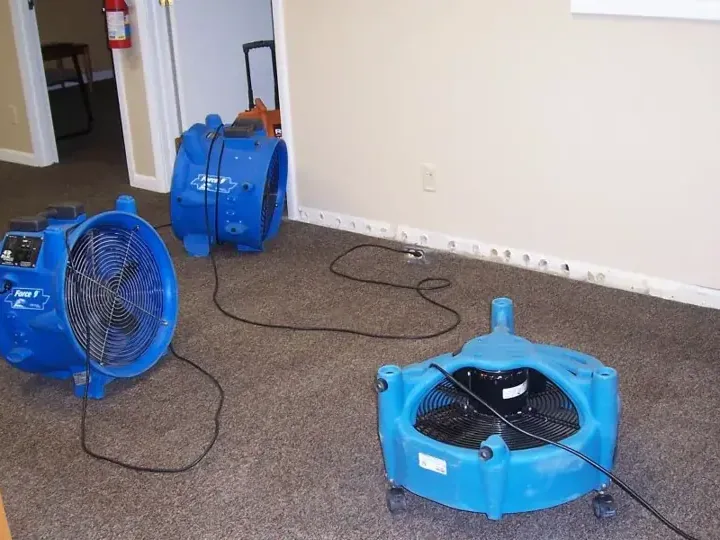
What to do while the water is still spreading
- 1
Stop the source
Shut the main valve or the appliance supply, and cut power to wet areas only if the breaker panel is dry and safe to reach.
- 2
Move what you can
Lift small furniture, rugs and electronics onto dry surfaces, and leave heavy cabinets and wet drywall for the crew.
- 3
Photograph everything
Take wide and close photos of the water, the damage and the damaged items before anything is cleared out.
- 4
Keep sewage away
If a drain is backing up, keep children and pets out of the room and skip the household vacuum.
- 5
Call for extraction
Call the drying team early, because the first day often decides whether carpet, padding and drywall stay or go.
Water damage services for local homes and businesses
Every loss starts with extraction and moisture mapping, then moves to the cause that fits: a split pipe, a failed tank, a flooded crawl space or a backed-up drain.
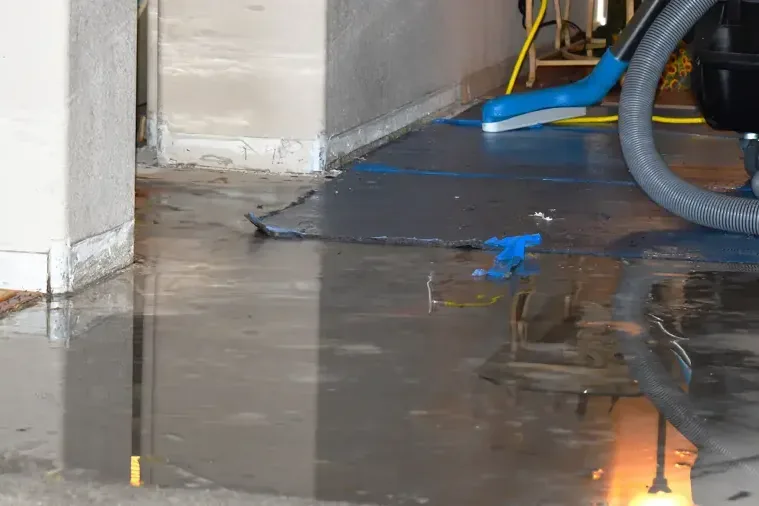
Water Extraction and Removal
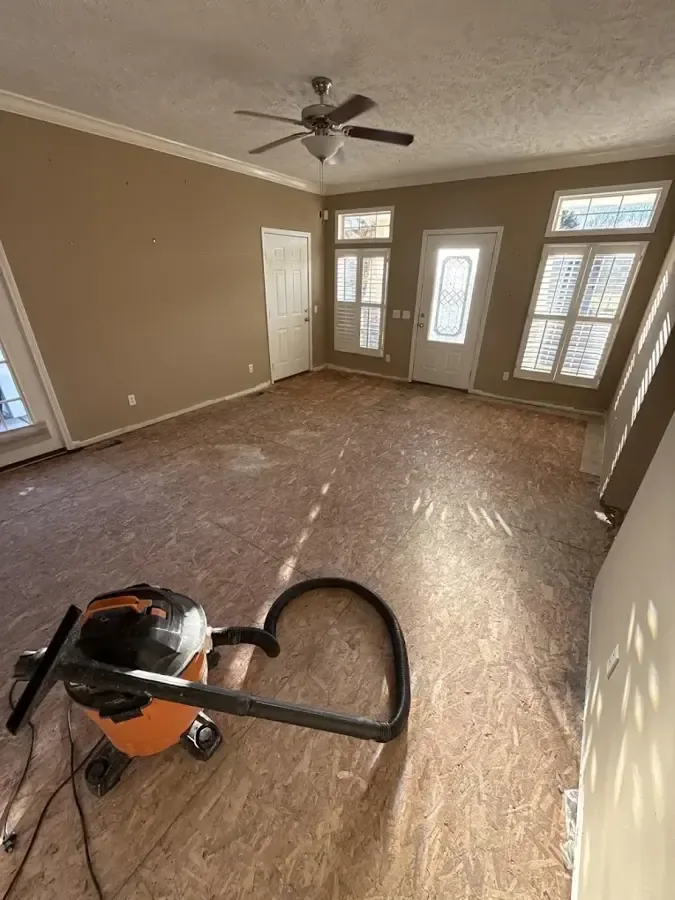
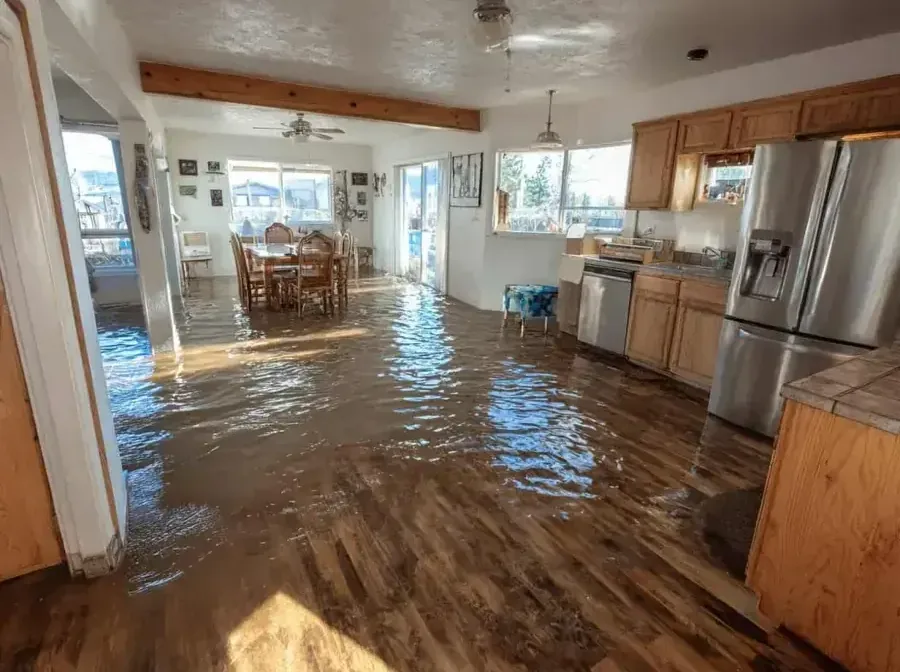
Pumps and wet vacuums remove standing water from floors and subfloors before it soaks into drywall, cabinets and padding.
Details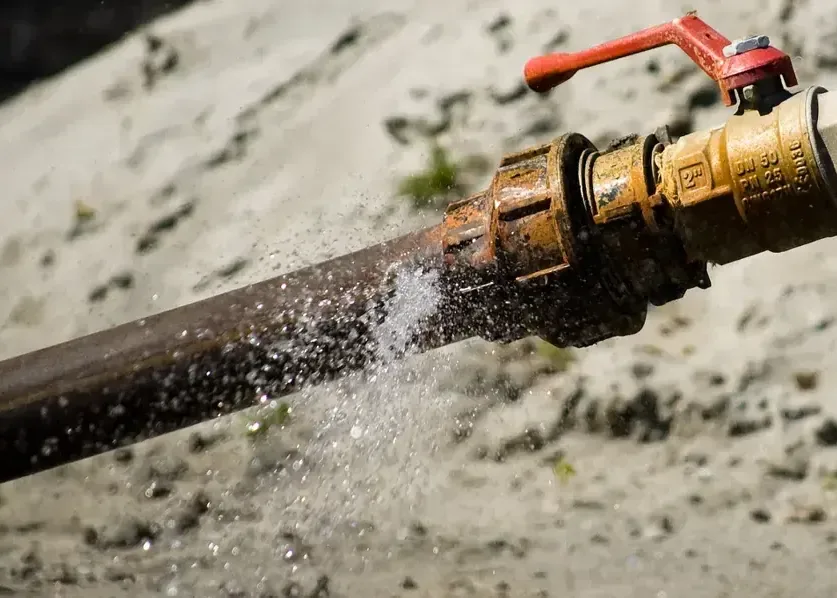
Burst Pipe Water Damage
A split supply pipe can fill a wall cavity quickly. The crew stops the spread and dries the structure.
Details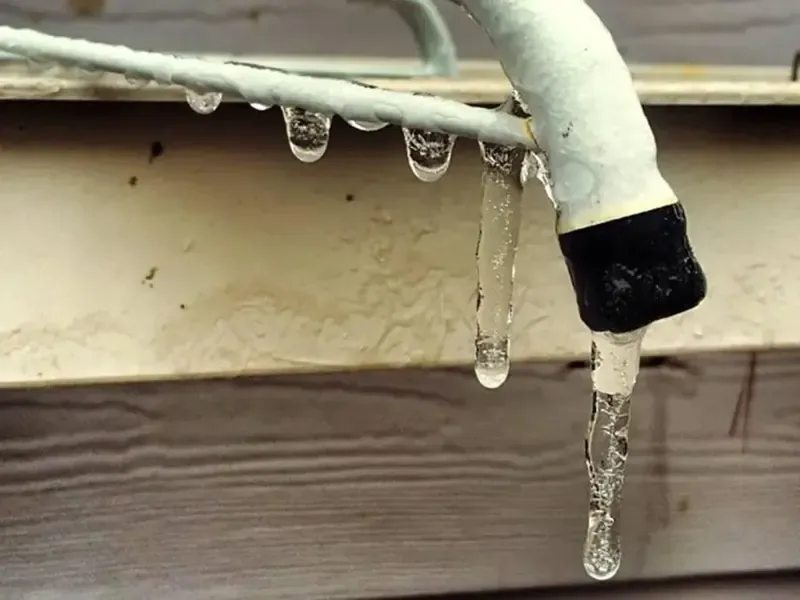
Frozen Pipe Water Damage
Cool winters can split exposed pipes in garages and crawl spaces, and the thaw floods the rooms below.
Details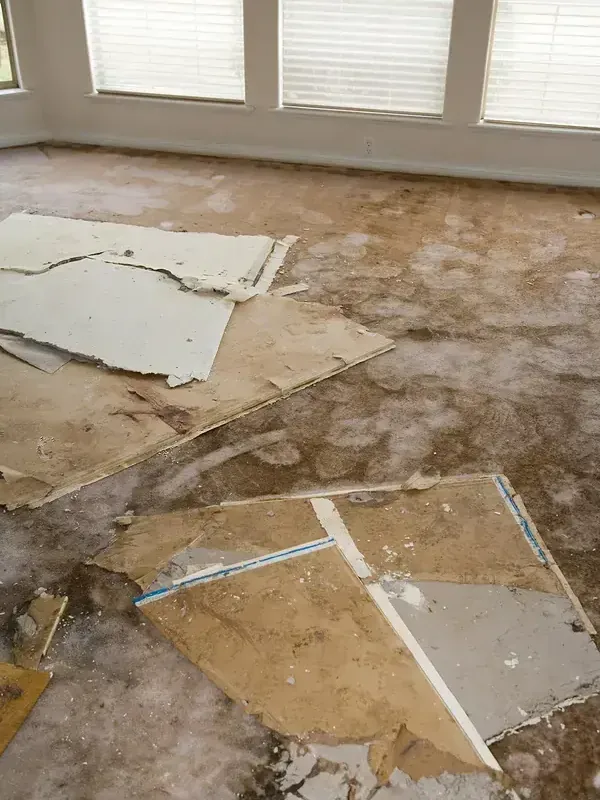
Slab Leak Water Damage
A warm floor spot or a spinning meter points to water under the slab, which needs detection before drying.
Details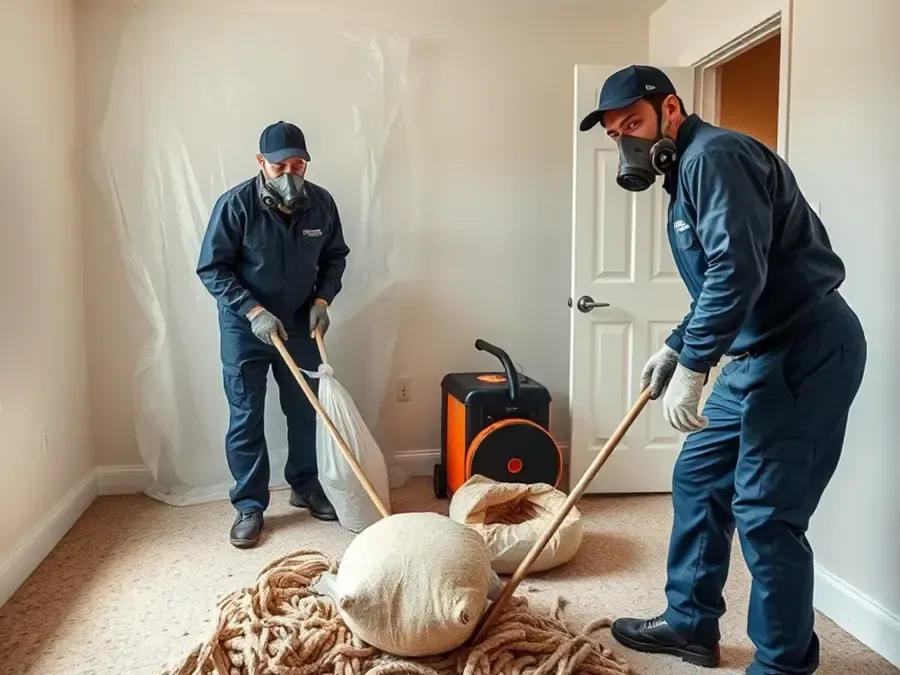
Sewage Backup Cleanup
Backed-up drains bring contamination indoors, so affected materials are removed and surfaces sanitized.
Details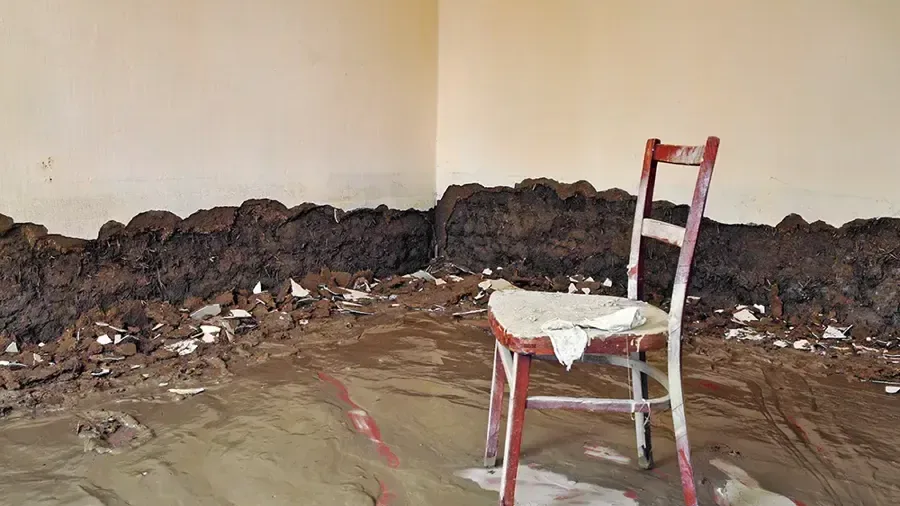
Storm and Flash Flood Cleanup
Heavy tropical rain and river overflow push water into garages, living areas and crawl spaces.
Details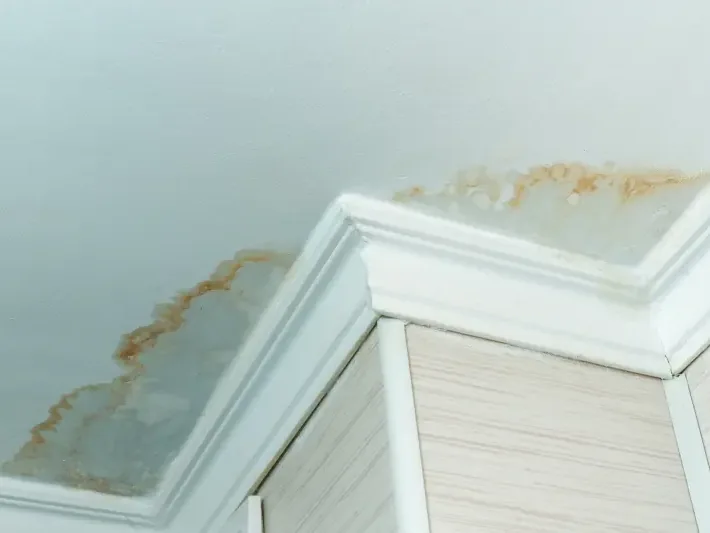
Roof Leak Water Damage
Summer thunderstorms drive water through roofing, and it travels into attics, insulation and ceilings.
Details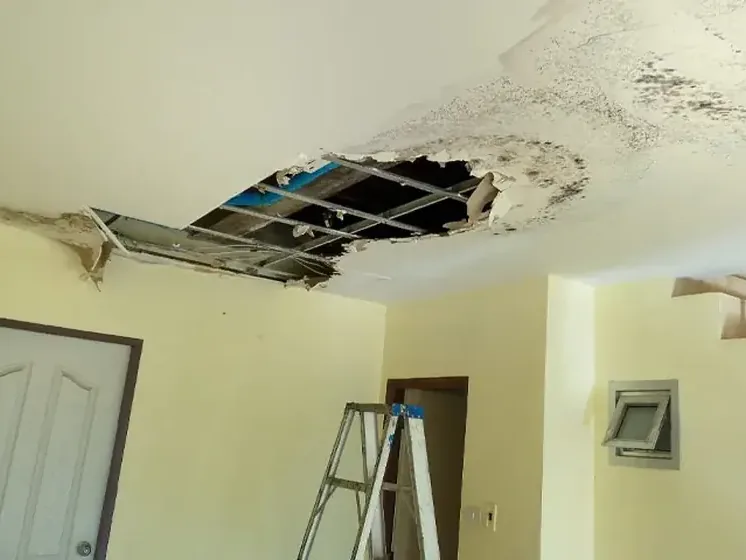
Ceiling Leak Water Damage
A stained or sagging ceiling hides wet drywall and insulation that need to be opened and dried.
Details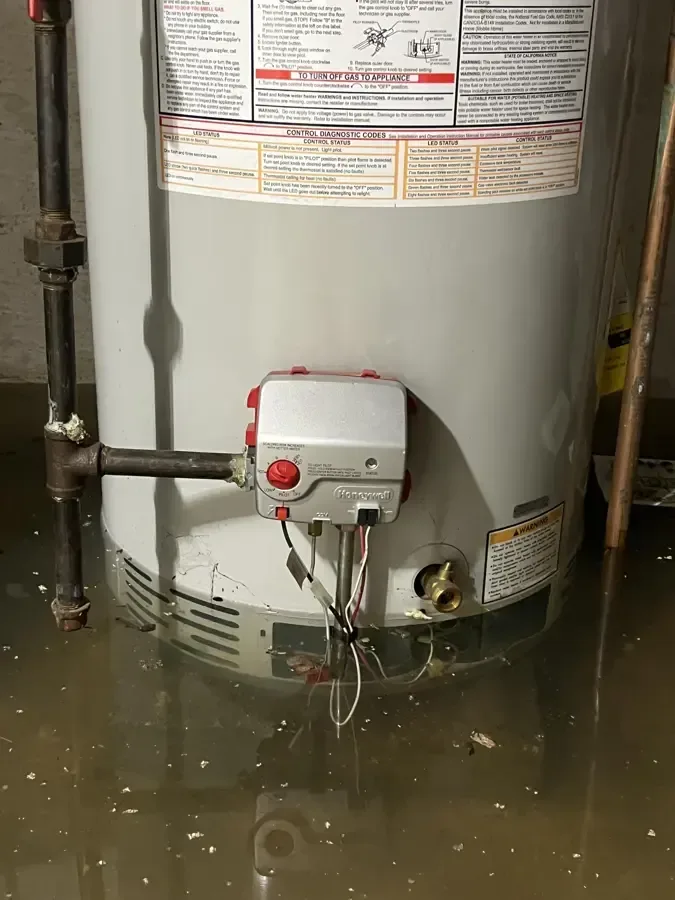
Water Heater Leak Cleanup
A failed tank can drain steadily into a closet or garage until the supply is shut off.
Details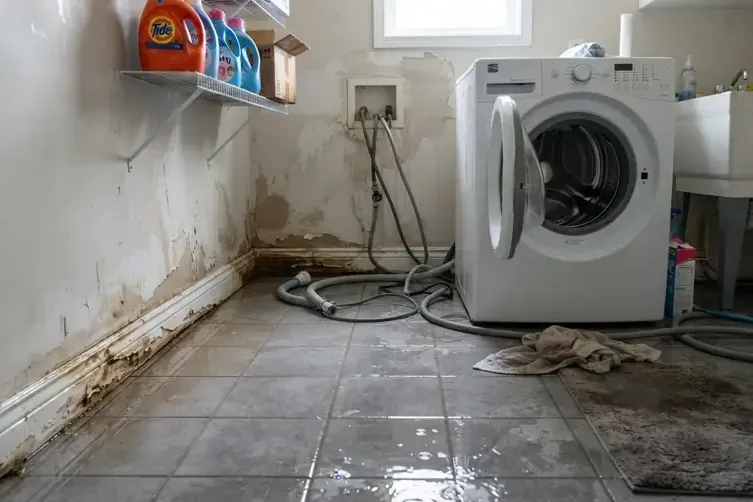
Appliance and Supply Hose Leaks
Washer, dishwasher and refrigerator leaks soak floors and cabinets, often out of sight.
Details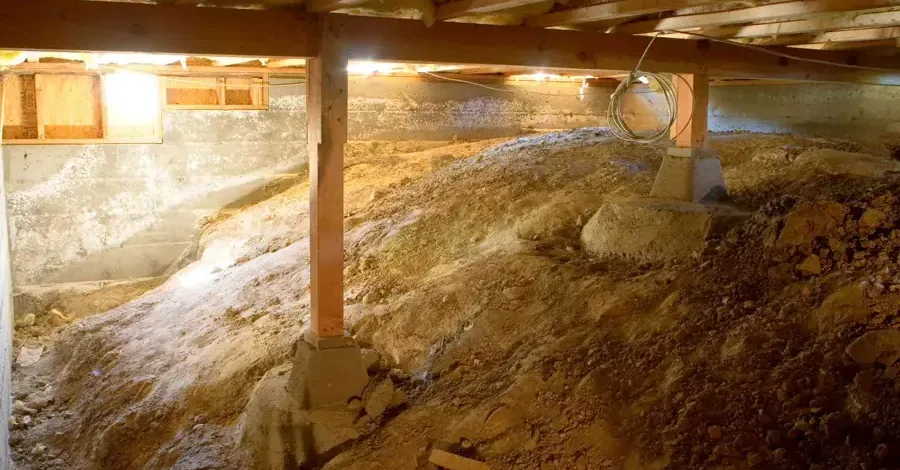
Crawl Space Water Removal
Standing water under a home is pumped out, and damp soil and framing are dried.
Details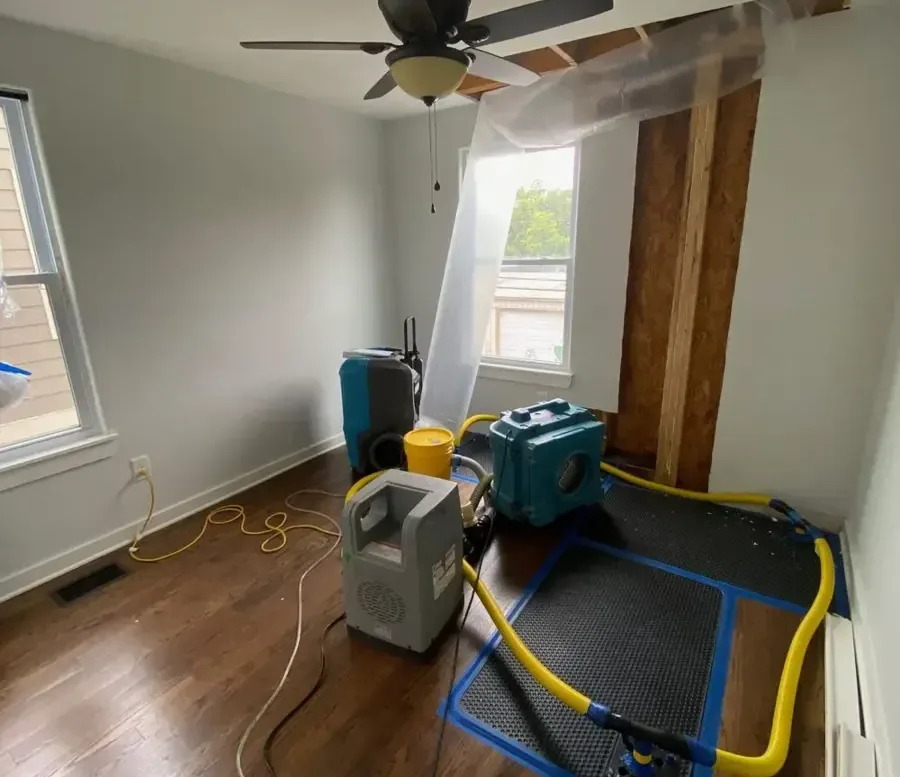
Structural Drying and Dehumidification
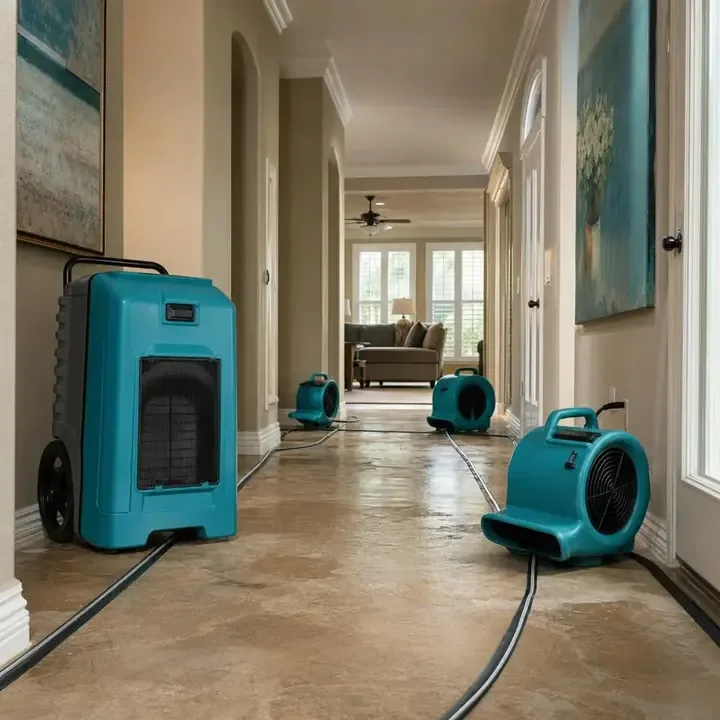
Air movers, dehumidifiers and meters pull moisture from framing, subfloor and drywall.
Details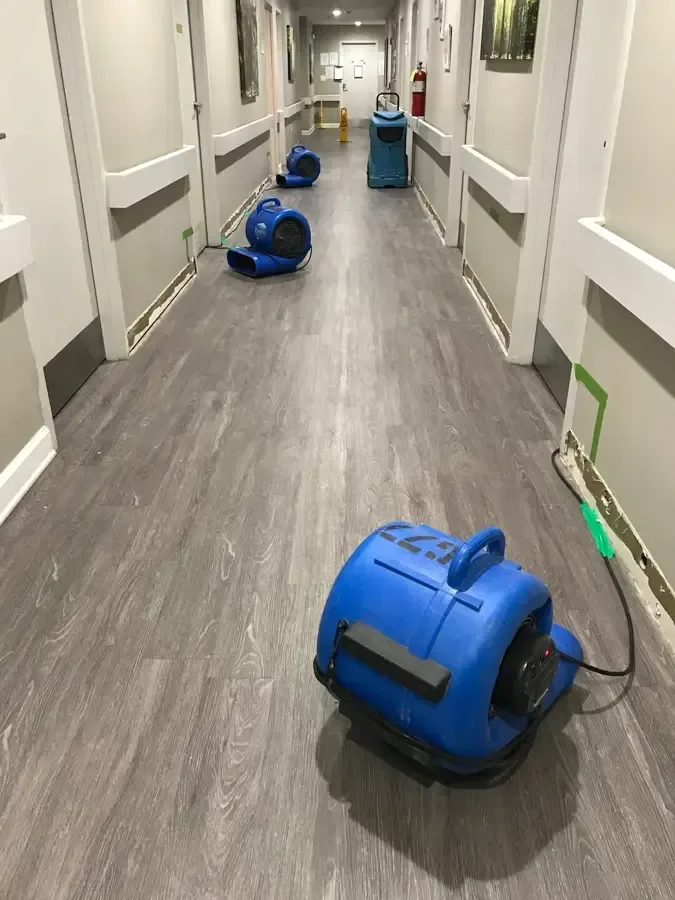
Commercial Water Damage
Shops, offices and restaurants get containment, extraction and drying planned around reopening.
DetailsWater damage help built around how local homes get wet
The drying team works from measurements and photos, explains each step in plain terms and keeps the insurance paperwork in step with the job.
Plain explanations
Each step, from extraction to final readings, is explained before the work starts so nothing comes as a surprise.
Moisture proof
Readings are recorded at every visit, which shows an adjuster exactly what was wet and when it dried.
Right equipment
Equipment is sized to the room and the material, from air movers on carpet to mats on hardwood.
Clear paperwork
Photos, readings and scope notes are organized for the claim file as the work goes on.
Clean, gray and black water need different handling
Clean water
Supply pipes, a split hose or a leaking tank release water that is safe to handle at first, and quick drying usually saves drywall and flooring.
Burst pipe water damageGray water
Washers, dishwashers and ice makers leak water carrying soap and food residue, and slow leaks can hide behind appliances for a long time.
Appliance leak damageBlack water
Sewage and river flood water carry bacteria, so porous materials come out and surfaces are cleaned and sanitized.
Sewage backup cleanupHow much does water damage restoration cost here?
Most jobs land between $1,100 and $28,000+, set by how many rooms were wet, how clean the water was and how long drying runs. Sewage and storm water sit at the top of the range.
Clean water, caught early
$1,100 to $6,000
- One or two rooms
- Extraction and drying
- Several days of equipment
Wider spread or older leak
$6,000 to $15,000
- Walls and floors opened
- More drying equipment
- Longer monitoring
Sewage or storm water
$7,000 to $28,000+
- Contaminated materials removed
- Sanitizing steps
- Rebuild coordination
Final pricing follows an on-site moisture survey. Sudden events like burst pipes are often covered by insurance, so early photos and a clear cause of loss help the claim.
Drying done to a measured, documented standard
Wet materials are dried to readings, not guesses. The team logs moisture in framing, subfloor and drywall at each visit and keeps equipment running until the numbers match dry reference points.
- 1
Assess and map
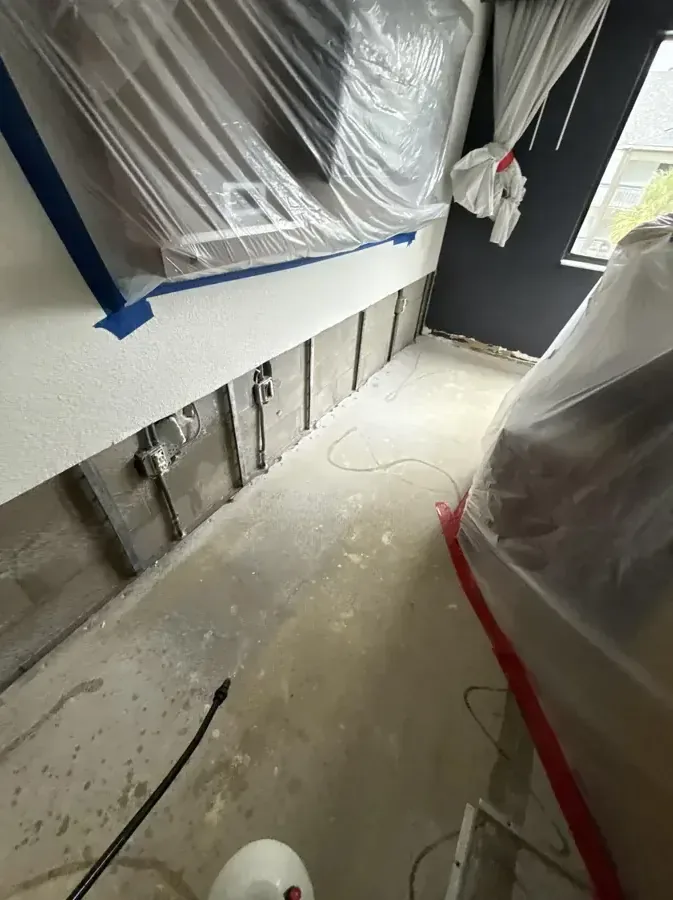
Meters and thermal imaging trace where moisture traveled, including behind baseboards and under flooring.
- 2
Extract and remove
Standing water comes out first, then padding or drywall that cannot dry in place is cut and bagged.
- 3
Dry and dehumidify
Air movers and dehumidifiers run on the affected rooms while readings are logged at each visit.
- 4
Verify and close out
Final readings confirm the structure is dry, and the report gives the insurer a clear record.
Working with your insurance company
Sudden pipe failures and appliance breaks are often covered, and the paperwork goes smoother when the cause, the photos and the drying records fit together.
- Photos of the water and the damage it caused
- The date and the cause of the loss
- Moisture readings taken at each visit
- A written list of damaged belongings
- Receipts for any emergency steps that were taken
What to document yourself
Before the crew starts, photograph every wet room from several angles and note what you moved. Keep damaged items until the adjuster has seen them, unless sewage contaminated them.
Report the loss to the insurer quickly and ask what they need. Coverage depends on the policy and the cause, so read the water damage wording or ask the agent.
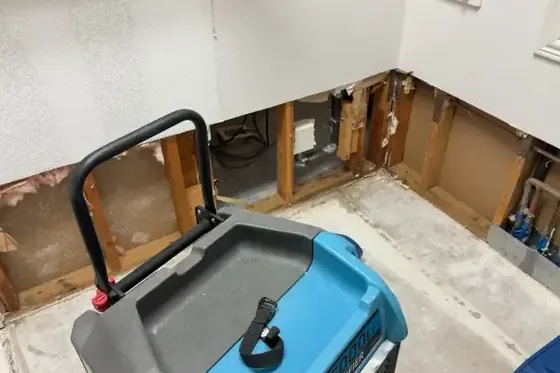
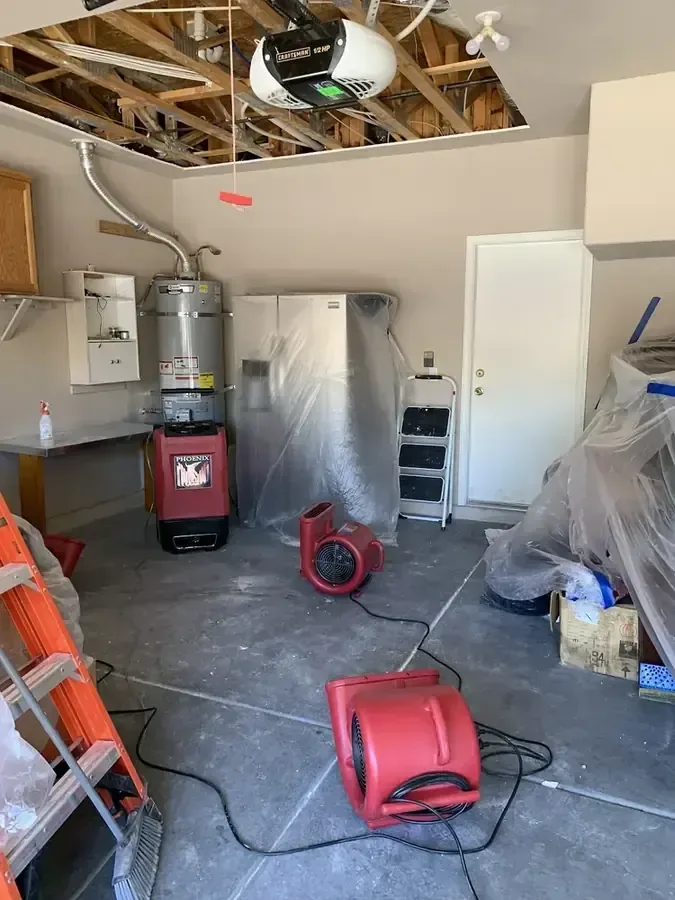
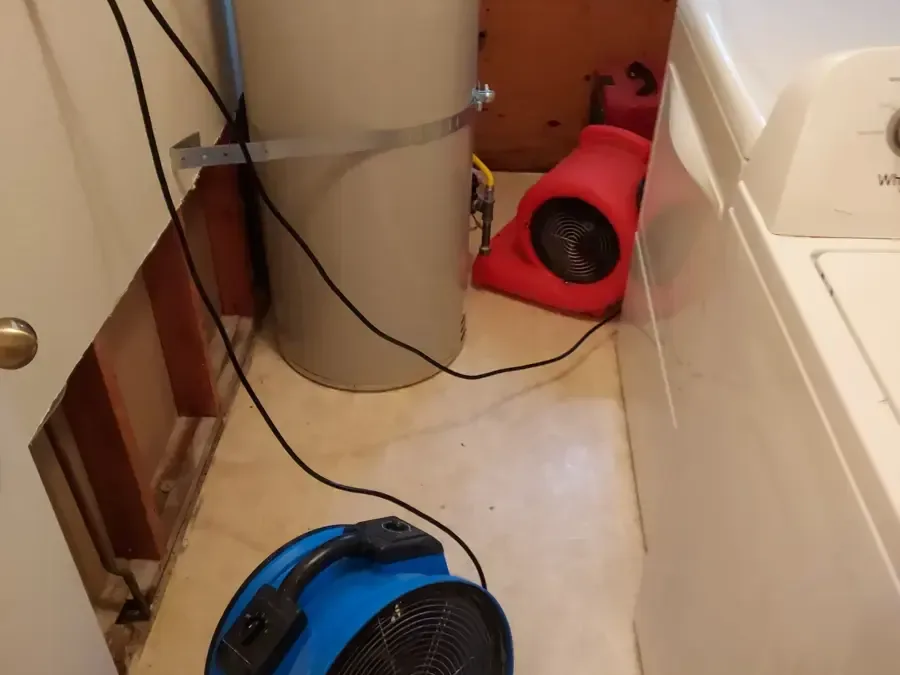
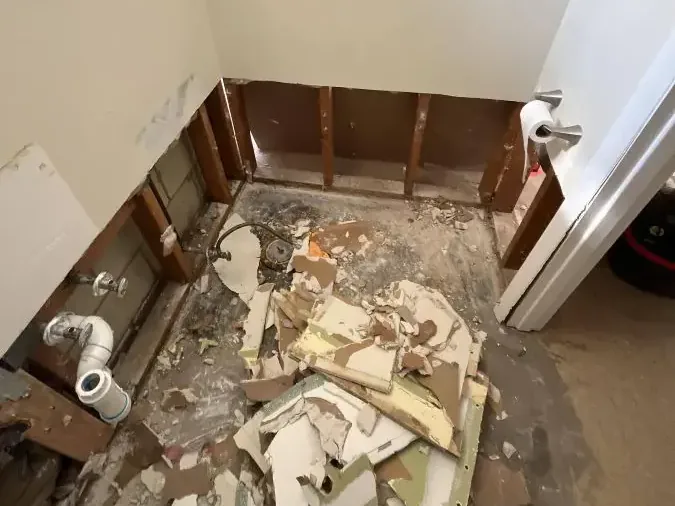
Water damage cleanup and drying projects
Neighborhoods and ZIP codes covered in Smithfield, NC
Neighborhoods and roads
ZIP code
Nearby towns
One call reaches Smithfield water damage pros, 24/7
From the shops on Market Street to homes in West Smithfield and the neighborhoods by the Interstate 95 exits, the response team covers the whole town around the clock.
A single call sets up extraction, drying, sewage cleanup and storm water work for any address in ZIP 27577.
Smithfield, NC · [email protected]
What puts local homes at risk
The Neuse River runs west of downtown and separates it from West Smithfield, heavy tropical rain tests low ground, and the humid subtropical climate slows drying after any loss.
June 2026: Crews at the Neuse River Bridge on U.S. Highway 301 damaged a water main, and three county districts were asked to conserve for 24 hours.
- 01River and tropical rain During Hurricane Matthew in October 2016, standing water closed U.S. Highway 70 into town and many East Market Street businesses flooded, according to WRAL.
- 02Water main disruptions Pressure swings after a main break can stress supply pipes and fittings inside a home, a good reason to know where the shutoff valve is.
- 03Humid subtropical air Cool winters and hot summers leave moisture lingering in crawl spaces, closets and drywall, which gives wet materials a long window before they dry.
- 04Homes with one occupant About a third of the 4,481 households here are one person living alone, so a slow appliance or supply leak can run unnoticed for days.
- 05Busy commercial blocks Shops along Market Street, offices near the Interstate 95 exits and the Johnston Health campus need quick commercial drying to keep operating.
Local water damage questions
Still have a question?
A call to the drying team gets the loss scoped, the next steps explained and the claim paperwork started the right way.
(888) 578-4720Talk to the drying teamHow fast should water damage be dealt with?
Start extraction as soon as the source is stopped. Wet drywall, padding and framing begin to break down within a day or two, and humid air in this part of North Carolina slows natural drying.
Does homeowners insurance cover water damage?
Sudden events such as a burst pipe or an appliance failure are often covered, while slow leaks and flood water usually need separate coverage. The policy wording decides, so ask the insurer.
What does water extraction involve?
Pumps and wet vacuums pull standing water, as described under water extraction, then moisture meters find what remains in padding, drywall and subfloor so drying equipment is placed correctly.
Can wet carpet be saved?
Carpet that stays wet from clean water for a short time can often be dried in place, while carpet soaked by sewage or river water is removed and discarded.
What should be done about a sewage backup in the house?
Keep people and pets out, do not run fixtures and call for cleanup, because sewage needs protective gear and sanitizing. A blocked main should also be reported to the utility serving the address.
How long do the drying machines run?
Most clean-water jobs need equipment running for several days. The team checks readings each visit and removes the machines only when materials reach dry targets.
Is a leak under the slab a plumbing problem or a water damage problem?
Both. A plumber repairs the pipe, while leak detection and drying handle the wet slab, flooring and cabinets. The drying team coordinates so the work happens in the right order.
Does the crew handle commercial water losses?
Yes. Shops, offices, restaurants and school buildings get containment, extraction and drying planned around keeping the business open or reopening as soon as it is safe.
What causes water in a crawl space?
Heavy rain, a broken supply pipe or a leaking drain can leave standing water and damp soil under the floor, and humid air keeps the space wet long after the rain ends.
What should be photographed before cleanup starts?
Wide shots of each wet room, close photos of affected walls, floors and belongings, and any visible source such as a split hose or a failed tank. Photos support the insurance claim.
Water on the floor in town? Get the drying team moving
The sooner extraction starts, the more flooring, drywall and framing can be saved.