Water Damage Restoration Archer Lodge, NC
Round-the-clock water damage restoration for Archer Lodge homes, from split pipes and failed hoses to storm water and sewage, with extraction first and drying logged until the framing tests dry.
(888) 578-4720Water in the house? Reach a crew nowFrozen pipes in January, washer hoses in any month and heavy summer rain all get the same measured dry-out.
What to do while water is still spreading
- 1
Find the source
Stop the water if it is safe: close the main valve, shut off the appliance or turn off the water heater supply.
- 2
Cut the power
Switch off breakers to wet rooms, and stay out of standing water near outlets, cords or electronics.
- 3
Photograph everything
Take wide and close photos of the damage, the source and wet belongings before anything is moved.
- 4
Lift what you can
Move small furniture, rugs and papers to dry spots, and leave heavy items for the crew.
- 5
Call for extraction
Reach the response team early, because wet drywall and framing start to break down quickly.
Water damage services for Archer Lodge homes
Every kind of household water loss, from a split supply pipe to a slow slab leak, with its own extraction, drying and cleanup steps for local homes.
Water Extraction and Removal
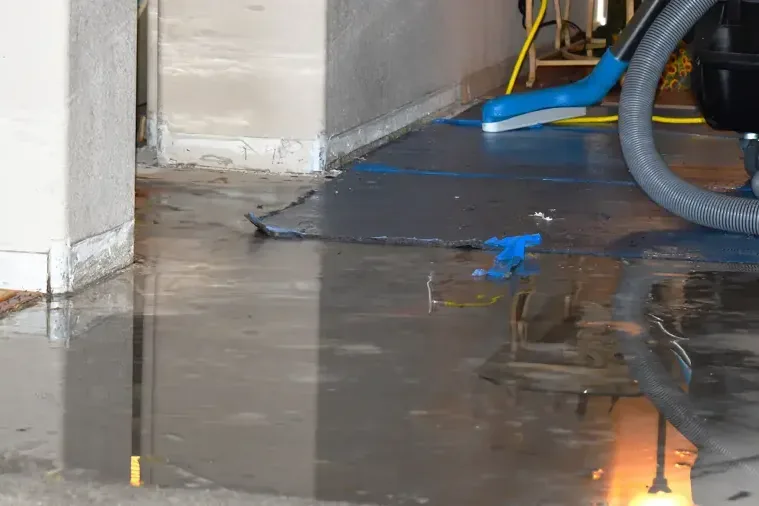
Pumps and truck-mounted extractors lift standing water from floors and carpet before it climbs into drywall and cabinets.
Details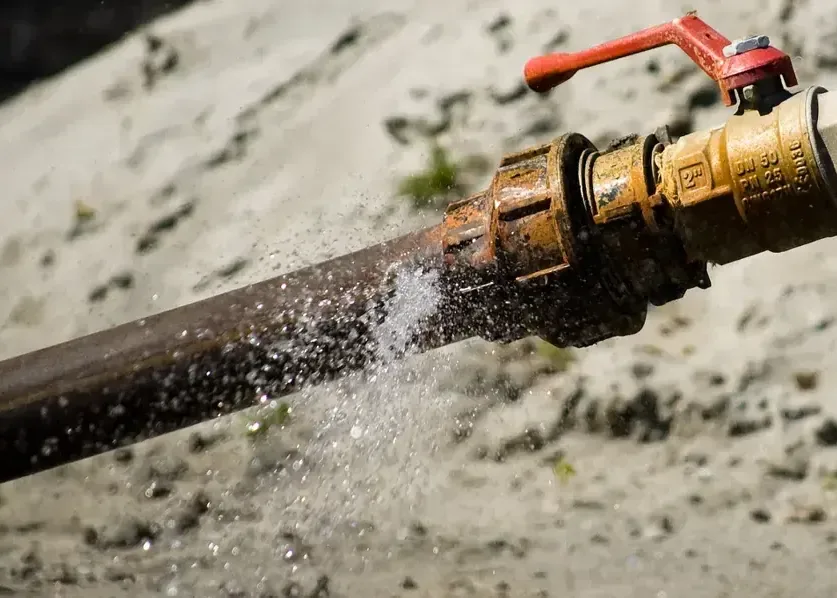
Burst Pipe Water Damage
A split supply pipe can soak several rooms fast. The crew stops the spread, extracts and dries the wall and floor.
Details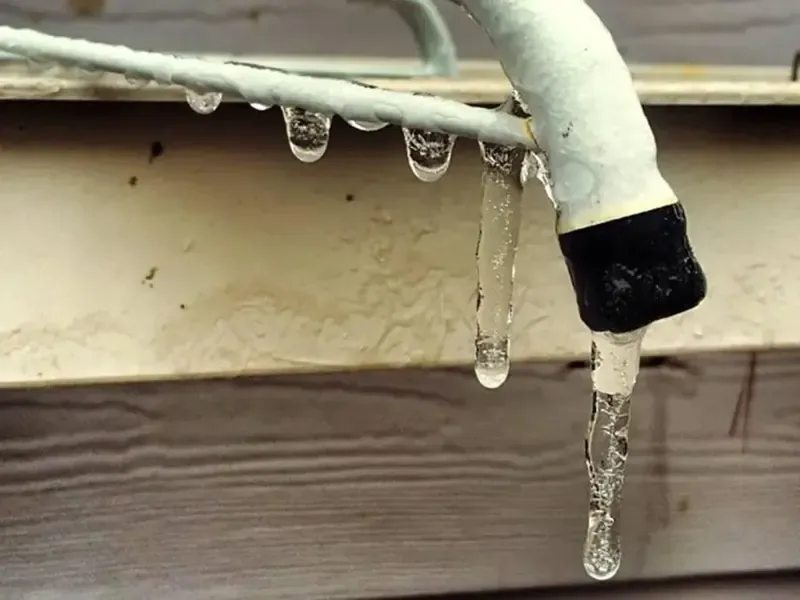
Frozen Pipe Water Damage
Pipes in unheated spaces split in a hard freeze, then release water during the thaw. Cleanup covers insulation, framing and flooring.
Details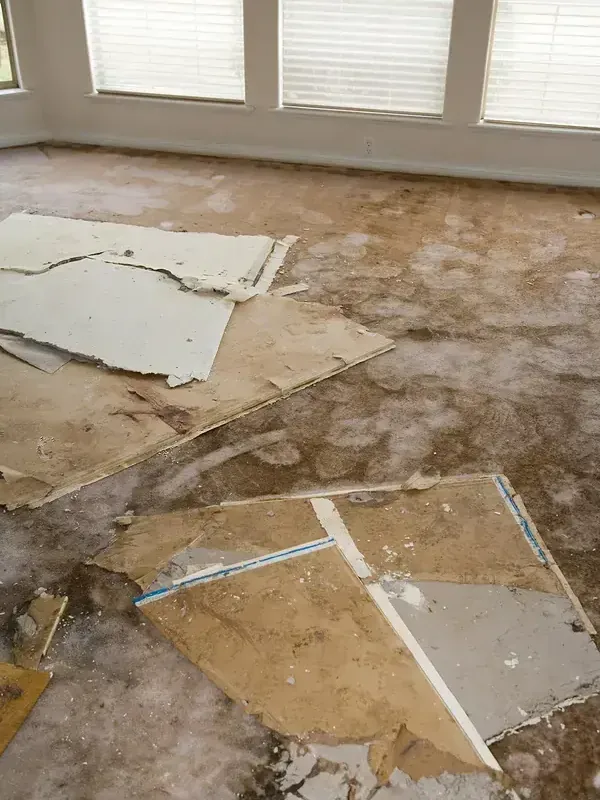
Slab Leak Water Damage
Water rising under a concrete floor shows up as warm spots, damp flooring and a spinning meter. Detection comes first, then drying.
Details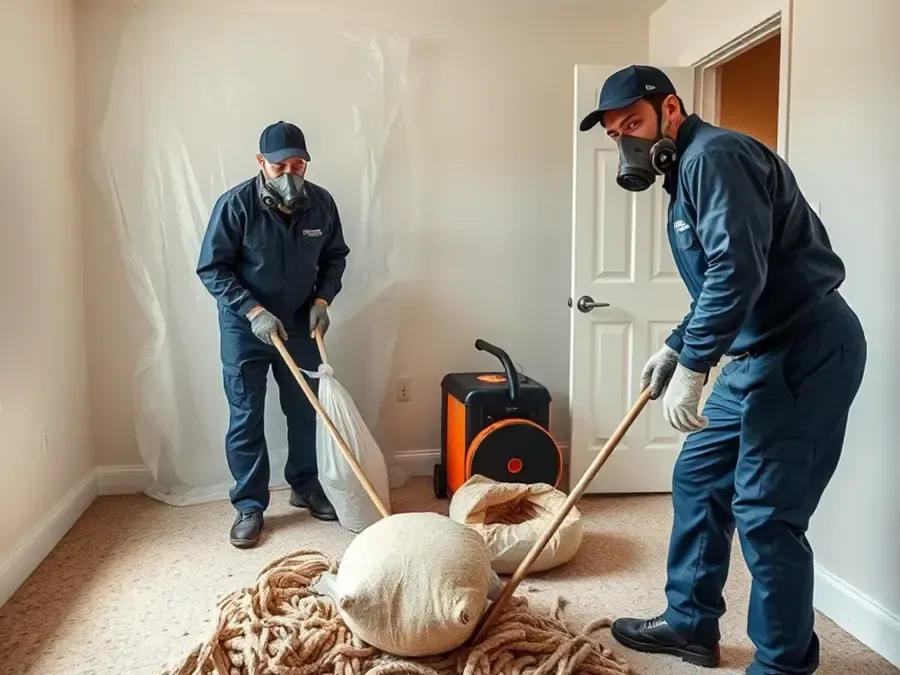
Sewage Backup Cleanup
Contaminated water from a backed-up drain needs protective gear, removal of soaked materials and disinfection.
Details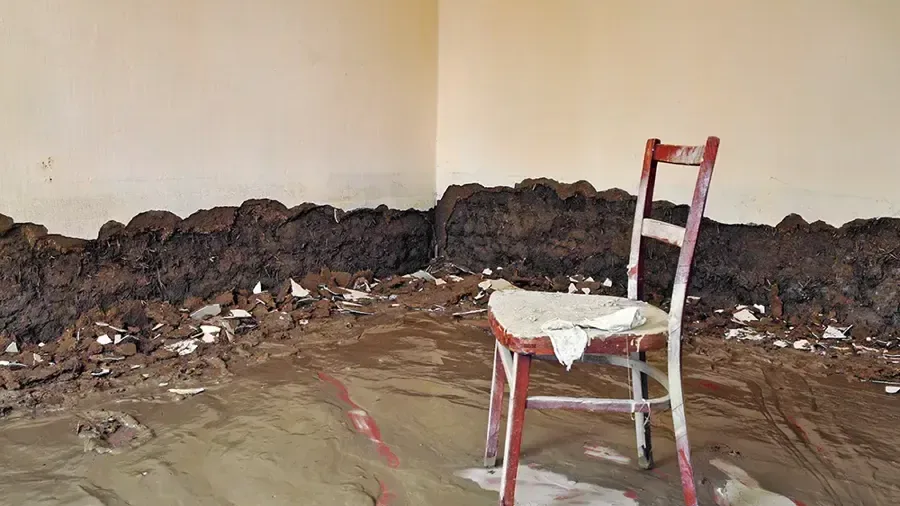
Storm and Flash Flood Cleanup
Storm runoff and heavy rain can push water through doors and garages. The crew pumps, hauls debris and dries the structure.
Details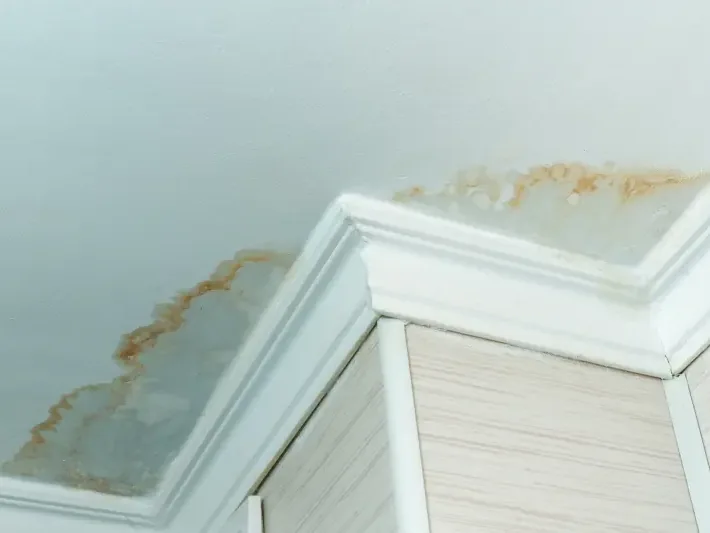
Roof Leak Water Damage
Water entering through shingles or flashing stains ceilings and soaks insulation. Wet materials come out and the space is dried.
Details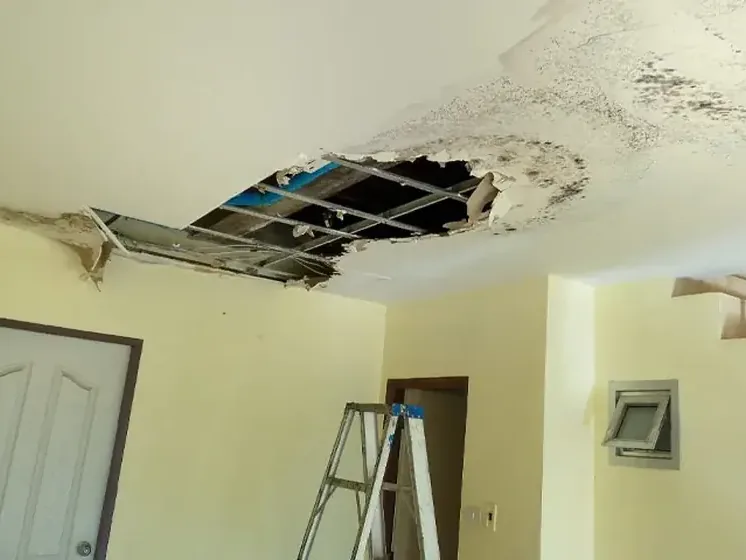
Ceiling Leak Water Damage
A sagging or stained ceiling signals trapped water. Drywall is opened, drained and dried before it fails.
Details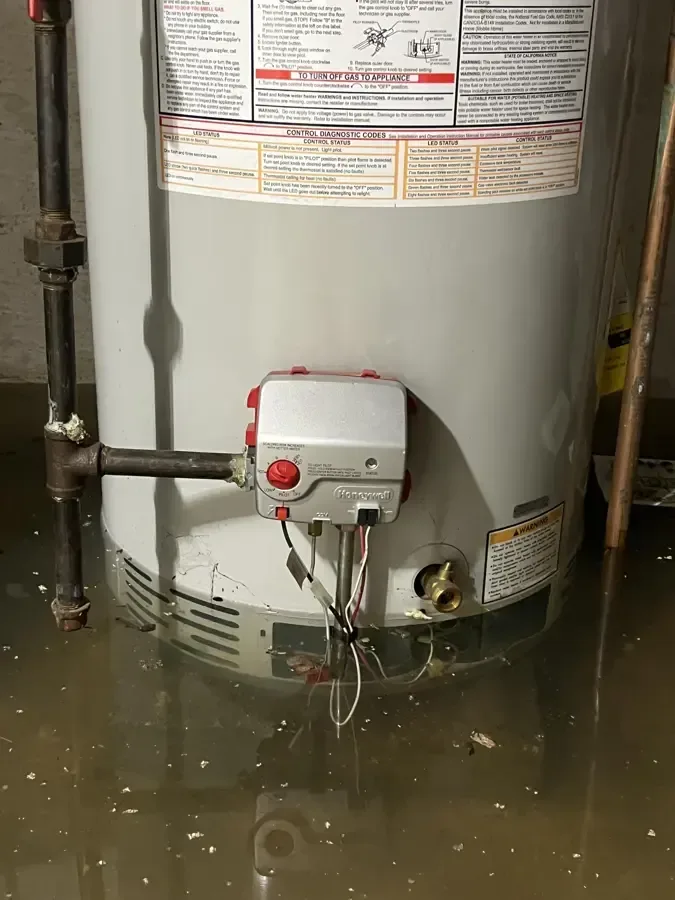
Water Heater Leak Cleanup
A failing tank can empty onto the floor. Cleanup dries the slab, wall bases and anything stored nearby.
Details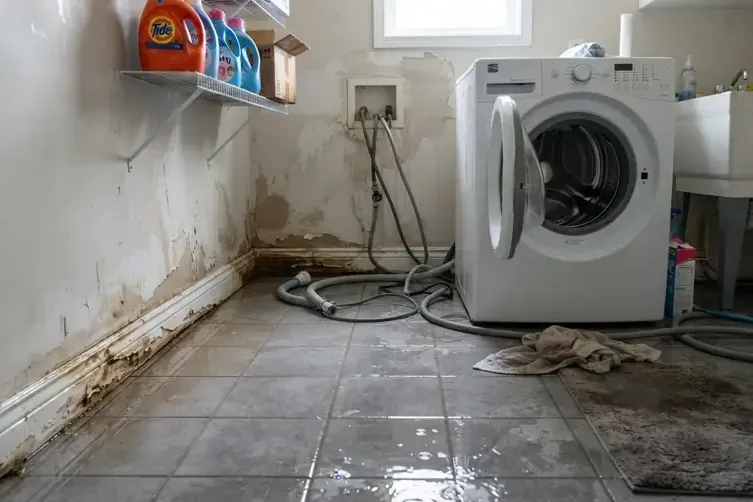
Appliance and Supply Hose Leaks
Washers, dishwashers and supply hoses can leak slowly behind cabinets and walls. Hidden moisture gets mapped and dried.
Details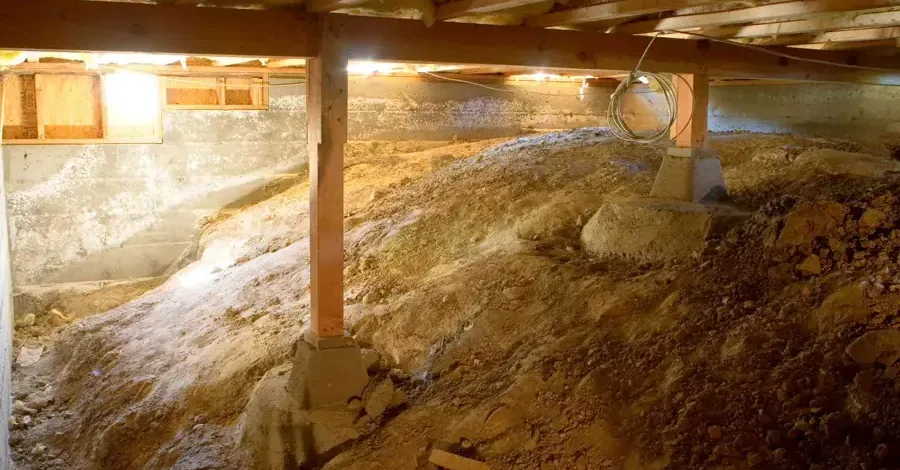
Crawl Space Water Removal
Standing water under a home needs pumping, then drying of the floor framing, insulation and the space itself.
Details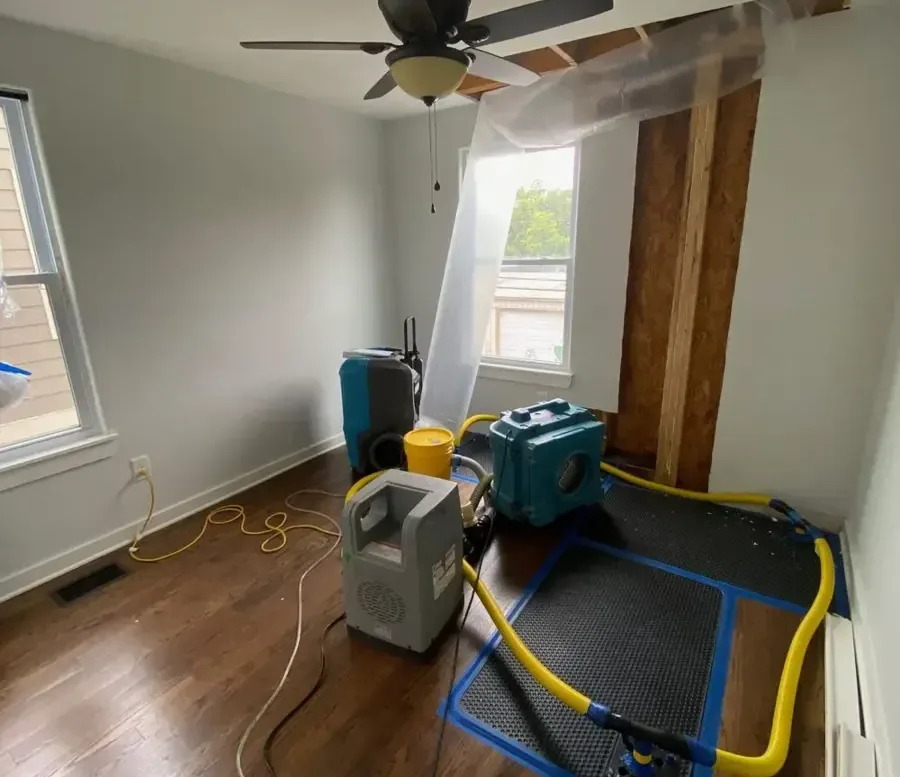
Structural Drying and Dehumidification
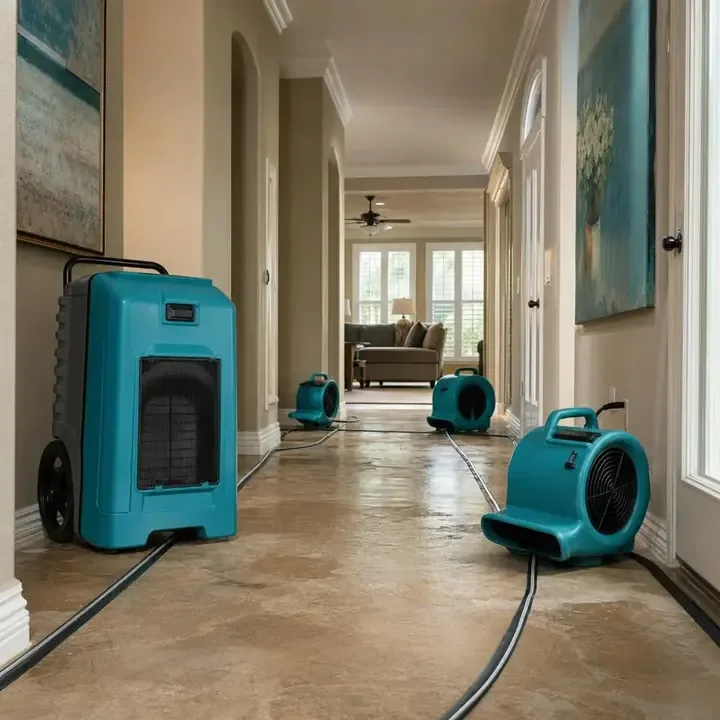
Air movers and dehumidifiers pull moisture from framing, drywall and subfloor until daily readings reach the dry goal.
Details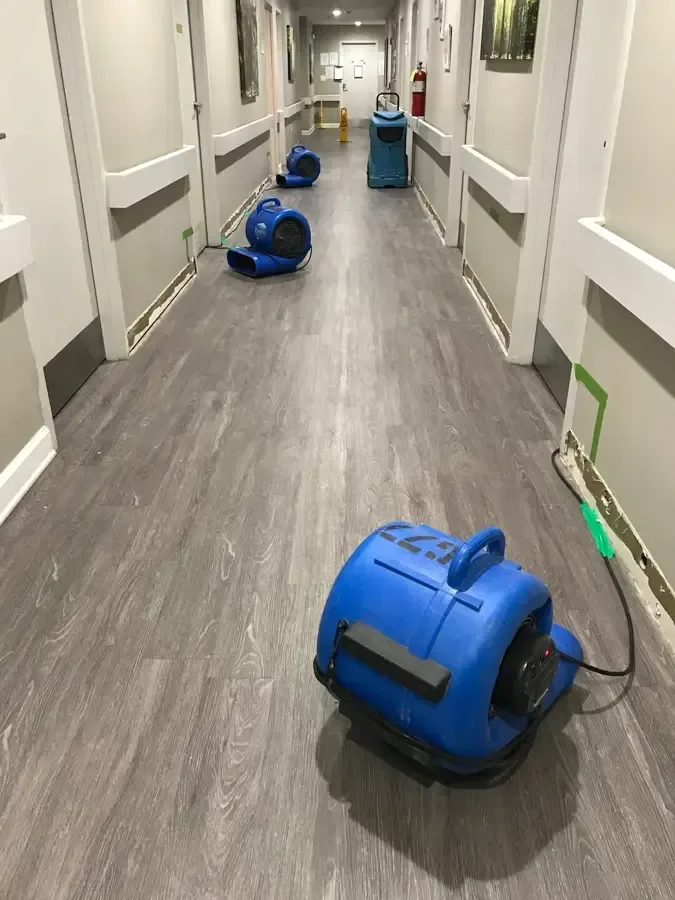
Commercial Water Damage
Shops, offices and community buildings need drying planned around reopening, with records for the property claim.
DetailsA drying plan built around the house, not a guess
Moisture meters, thermal images and daily logs decide what stays and what goes, so the work follows readings rather than habit.
Readings drive decisions
Moisture meters map every wet wall and floor, and drying stops only when the numbers reach the dry goal.
Equipment sized to the room
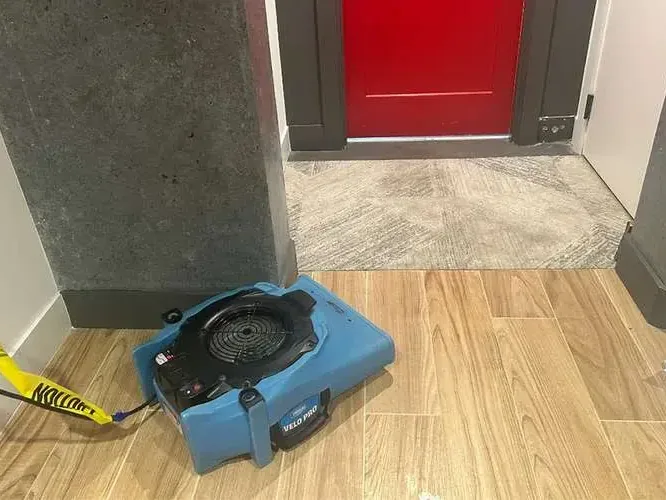
Air movers and dehumidifiers are placed by room volume and material, then adjusted as readings change.
Clear photo records
Dated photos and daily logs support the insurance file from the first visit to the final reading.
Honest scope
Materials that can dry stay in place, and only what cannot recover is removed and itemized.
Three water categories, three different cleanups
Clean water
Water from a supply pipe, tank or hose is the easiest to handle when it is caught early.
Burst pipe water damageGray water
Overflow from a washer or dishwasher carries soap and some contamination, so wet padding and low drywall often go.
Appliance and supply hose leaksBlack water
Sewage and storm runoff carry bacteria. Protective gear, removal and disinfection come first.
Sewage backup cleanupWhat does water damage restoration cost?
Most jobs land between about $1,100 and $28,000 or more, depending on how far the water spread, which materials got wet, how long they stayed wet and whether the source was clean water or sewage.
Contained clean-water loss
$1,100 to $6,000
- One or two rooms
- Extraction plus drying
- Several days of equipment
Multi-room or crawl space
$6,000 to $15,000
- Flooring or insulation removal
- Lower walls opened
- Subfloor and framing dried
Sewage or storm water
$7,000 to $28,000+
- Category 3 containment
- Porous materials removed
- Antimicrobial and HEPA air
Final pricing depends on the water category, the wet square footage, the materials involved and the days of equipment. A written scope itemizes the work before it starts.
A measured finish, not a guess
Drying ends when the meters say so. The crew compares wet materials against an unaffected reference reading in the same home and keeps equipment running until the two match.
- 1
Set the goal
The crew records a dry reading from similar unaffected material so every wet surface has a target.
- 2
Place equipment
Air movers push air across wet surfaces while dehumidifiers pull the moisture out of the room.
- 3
Check every day
Meters are read again at each visit, and fans and dehumidifiers move to the wettest spots.
- 4
Sign off dry
Equipment comes out only when readings match the goal, and the final log goes into the claim file.
Records that support your claim
Claims move on documentation. The restoration team builds the file as the work happens, so nothing has to be reconstructed later.
- Moisture readings mapped room by room and wall by wall
- Daily logs of air and material readings at each visit
- Dated photos taken before, during and after the work
- The water source and its category written down
- An itemized scope of the work and the materials removed
Read your own policy
A sudden break, such as a split supply pipe or a failed hose, is often covered, while long-term seepage and outside flood water commonly are not. Coverage depends on the policy wording and the cause.
Policies differ, so the adjuster has the final word. The records the crew keeps help the adjuster see exactly what happened.
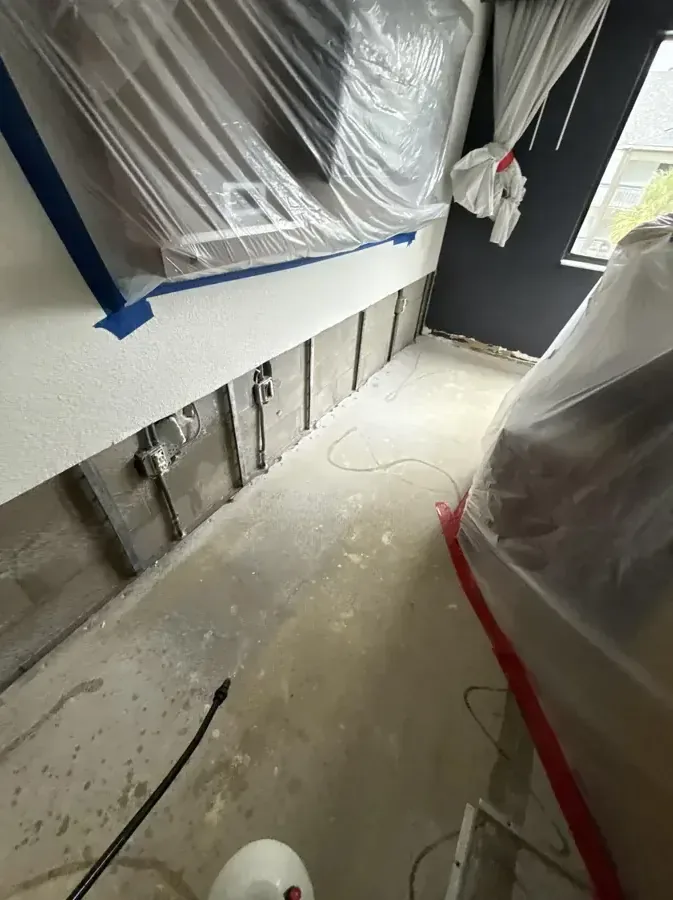
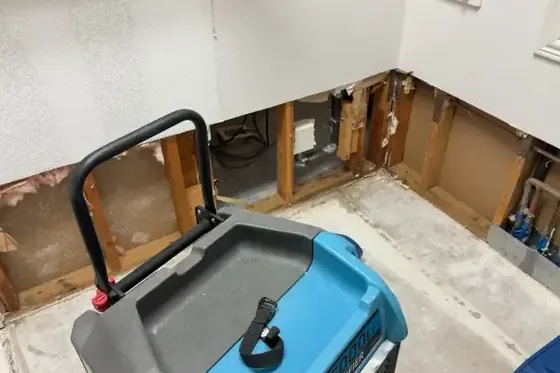
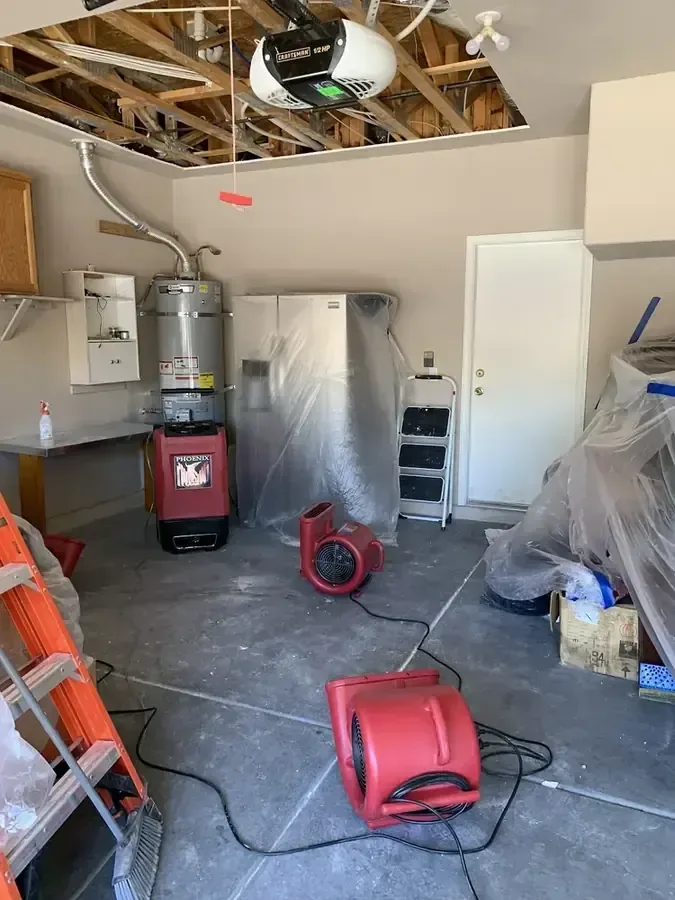
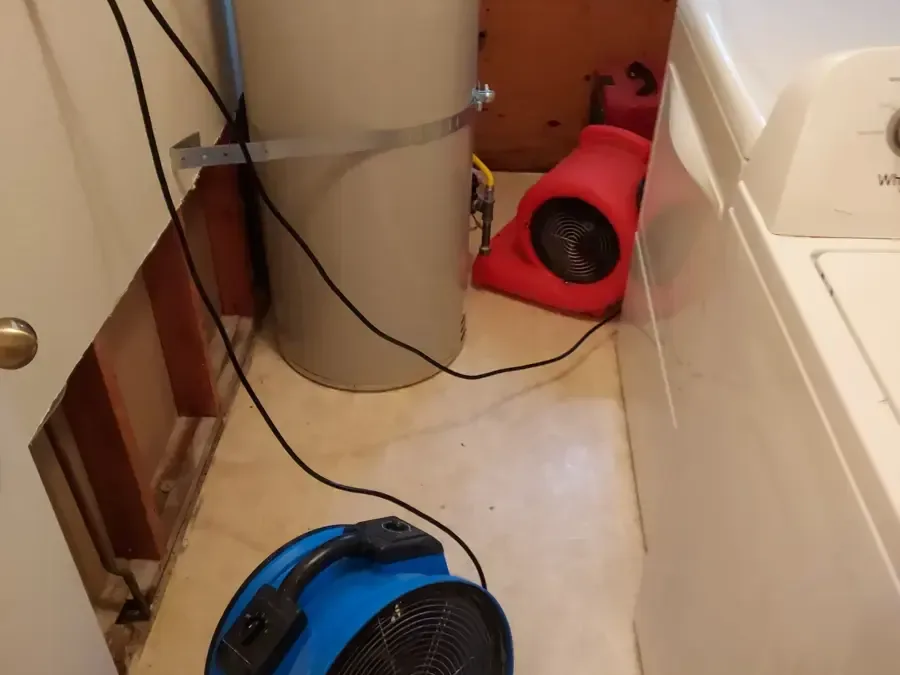
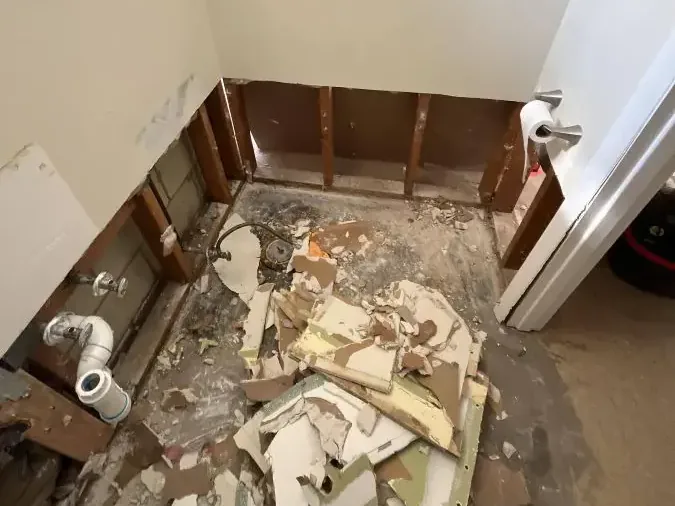
What drying looks like inside a wet home
Where the crew works in town
Roads and landmarks
ZIP code
Nearby towns
One call reaches Archer Lodge water damage crews
Around the crossing of Buffalo Road and Covered Bridge Road and out through the newer streets, the response team handles extraction, drying and sewage cleanup for homes and small businesses.
One call starts dispatch, and the crew documents the loss for the claim.
Archer Lodge, NC · [email protected]
Why homes here take on water
Archer Lodge sits in the Neuse River watershed in northern Johnston County, and its 1,707 housing units now include new developments still taking shape as the community grows.
November 3, 2009: Voters made the community a town by local vote, and the population grew from 795 in 2000 to 4,797 in 2020.
- 01Heavy rain in the watershed. The town is in the Neuse River watershed, so a stalled summer storm or a long soaking rain can push runoff toward garages, doorways and low rooms.
- 02Winter freezes. Central North Carolina gets hard freezes, and pipes in garages, attics and other unheated spaces can split and release water as the weather warms.
- 03Rapid new construction. The community is among the fastest growing in Johnston County, and new homes still have supply hoses, water heaters and roofs that can fail at any age.
- 04Sewage backups. When a drain clogs or a main backs up, sewage surfaces at the lowest fixture first, usually a bathroom or laundry area, and needs protective cleanup.
- 05Busy households. About 42.2% of households have children at home, and busy homes with washers and dishwashers running daily can hide a slow leak behind a cabinet or wall.
Water damage questions from local homeowners
Water still coming in?
Shut off the main if it is safe, turn off power to the wet area and call. Extraction planning starts while you take photos.
(888) 578-4720Reach the Johnston County crewHow soon can a crew get started?
Dispatch runs around the clock, nights and weekends included. Extraction is the first job once the crew is on site, because the sooner water comes out, the less material has to be removed.
How many days does a water-damaged home take to dry?
Three to five days is typical for a contained clean-water loss. Hardwood, thick framing or a slow leak can stretch that, and the readings decide when equipment leaves.
What does the industry drying standard mean?
It sets a target for how dry each material must be and tells the crew how to place equipment. The crew follows it and records readings at every visit.
How can I tell if pipes might freeze?
Pipes in attics, garages, exterior walls and other unheated spaces are the most exposed. Insulating them and letting a faucet drip during a hard freeze lowers the risk.
Why does sewage show up in the bathroom first?
Sewage rises at the lowest opening in the drain system, often a tub, shower or floor drain. Anything it touches is contaminated and needs protective cleanup.
Is a new house less likely to leak?
Newer homes still have supply hoses, water heaters, roofs and appliances that can fail. Knowing where the main valve is matters in every house.
How is mitigation different from repair?
Mitigation is the emergency work: extraction, removal of wet materials and drying. Repair rebuilds what was removed, and it follows once the structure tests dry.
When does wet drywall have to be replaced?
Drywall touched by sewage, or left wet for days, usually comes out. Clean-water drywall caught early can often be dried in place and checked with a meter.
Does homeowners insurance pay for water damage?
A sudden break such as a burst pipe or failed hose is commonly covered, while seepage and outside flood water often are not. The policy wording and the adjuster decide.
How fast can mold start after a leak?
Wet drywall, framing and carpet can begin growing mold within the first day or two, which is why drying starts as soon as the water is out.
Water damage in Archer Lodge? Get a crew moving
Extraction, structural drying and documentation all start with one call, at any hour.