Water Damage Restoration Knightdale, NC
24/7 water damage restoration in Knightdale, NC. The restoration team pulls out standing water, dries framing, subfloor and crawl spaces to the IICRC S500 standard and documents each step for your insurance claim.
(888) 578-4720Burst pipe or backup? Get help nowFrozen pipes, sewage backups and summer storm water are treated as urgent at any hour, weekends and holidays included.
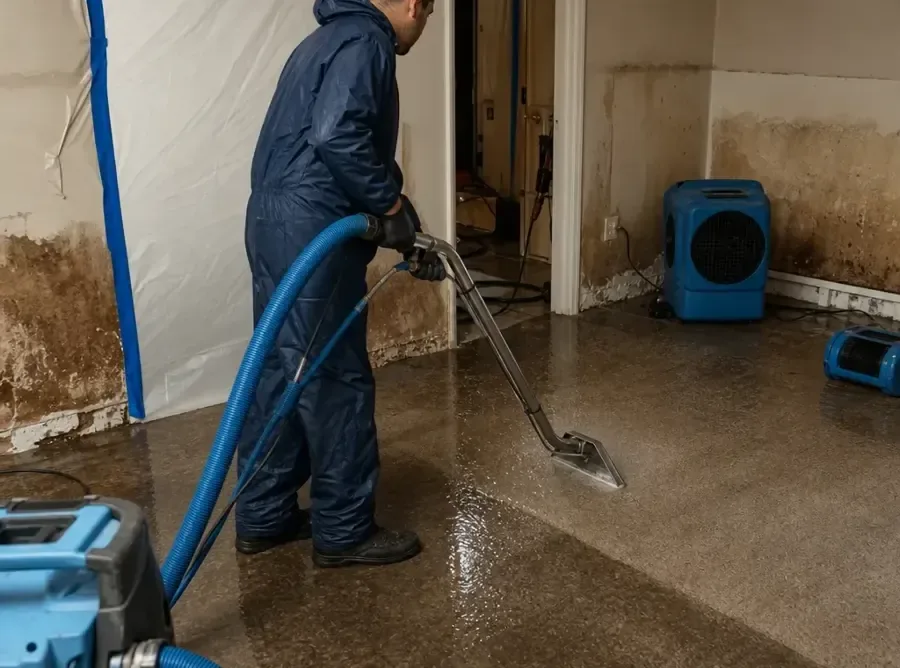
What to do while the water is still moving
- 1
Shut off the water
Close the main shutoff, usually inside near where the pipe enters the house or at the meter box by the street.
- 2
Cut power to wet rooms
Switch off breakers for wet rooms if the panel is dry. Stay out of standing water near outlets and cords.
- 3
Stop using drains
For a sewage backup, no flushing, showers, dishwasher or laundry until the drain is cleared.
- 4
Photograph everything
Take photos and video of the water, the source and damaged items before anything is moved.
- 5
Call for dispatch
Water wicks into drywall, subfloor and crawl space wood within hours, so drying should start early.
Water Damage Restoration Services in Knightdale, NC
Knightdale Water Damage Restoration covers water and sewage only, shaped to railroad-era homes near the old depot, crawl space houses and the fast-built subdivisions on both sides of US 64.
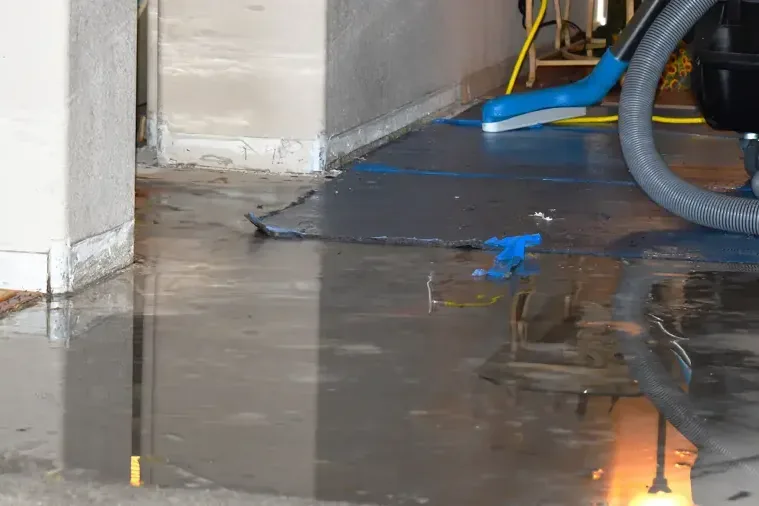
Water Extraction and Removal
Truck-mounted and portable units pull standing water out of carpet, pad and hard floors first.
Details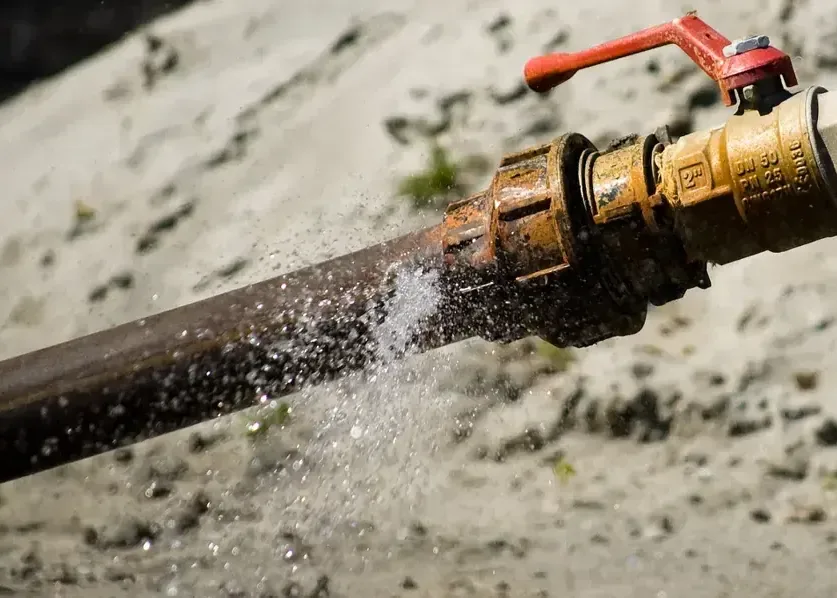
Burst Pipe Water Damage
A split supply pipe inside a wall or ceiling is shut down and the soaked cavity opened and dried.
Details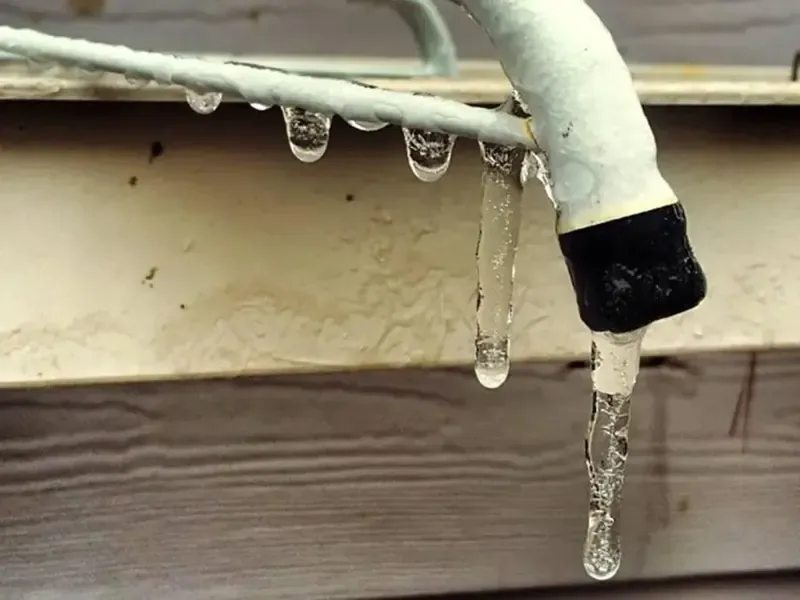
Frozen Pipe Water Damage
Pipes in crawl spaces, garages and outside walls split in a cold snap and leak at the thaw.
Details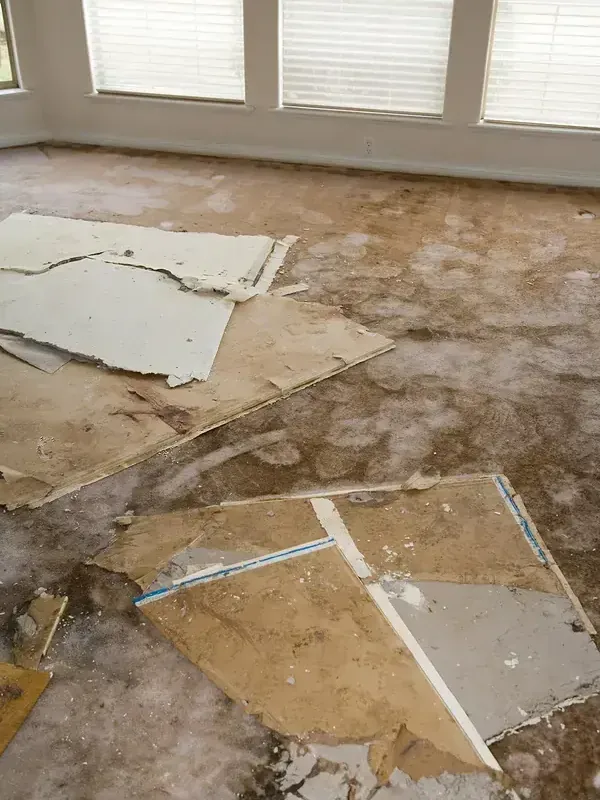
Slab Leak Water Damage
A pressure leak under a slab floor soaks flooring from below. Wet flooring comes up and the concrete is dried.
Details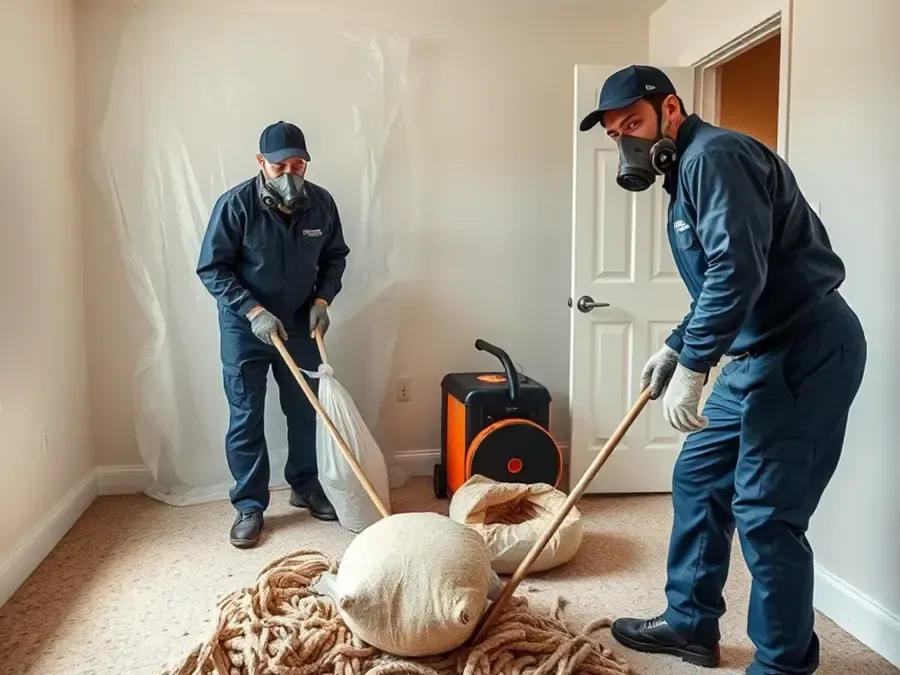
Sewage Backup Cleanup
Toilet, tub and floor drain backups handled as Category 3 with containment, removal and antimicrobial.
Details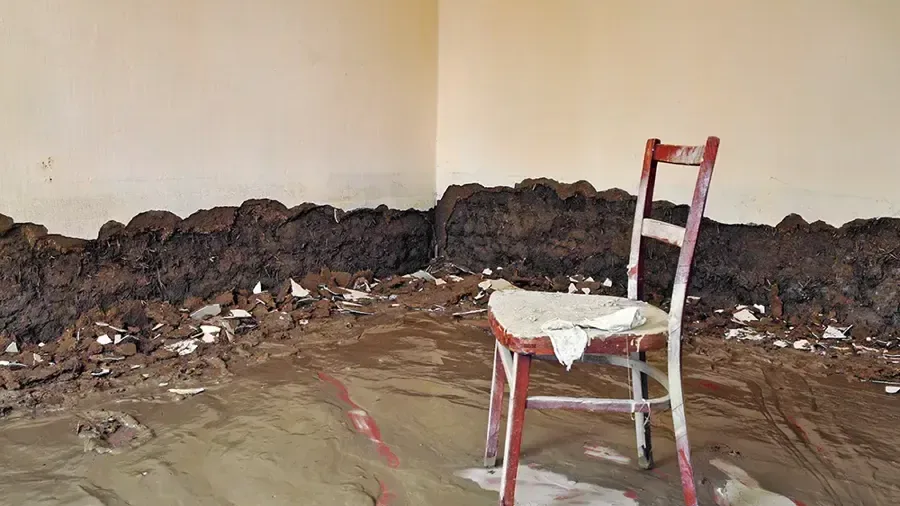
Storm and Flash Flood Cleanup
Heavy summer rain and tropical downpours push water through doors and crawl vents. Treated as contaminated.
Details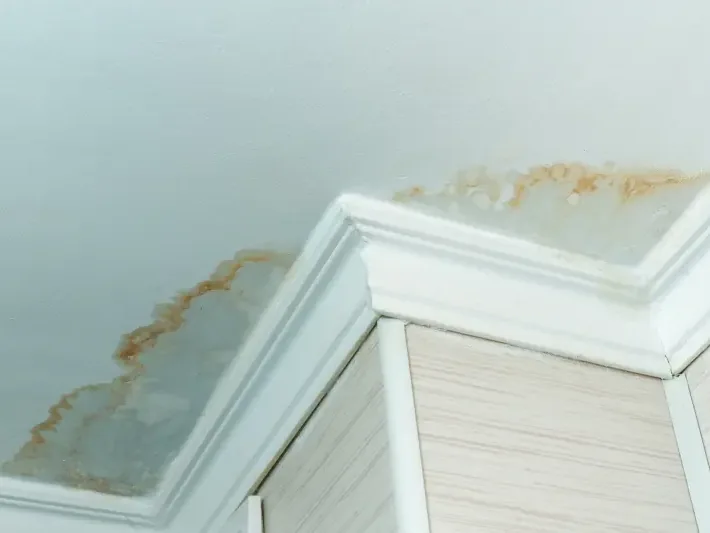
Roof Leak Water Damage
Wind-driven rain at shingles, flashing and vents, wet attic insulation removed and ceilings dried.
Details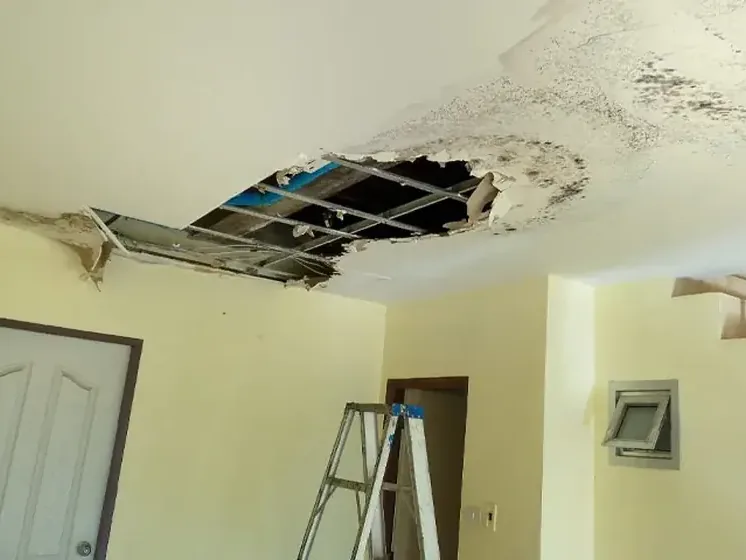
Ceiling Leak Water Damage
An upstairs bath, supply or air handler leak traced and the joist bays dried before the drywall sags.
Details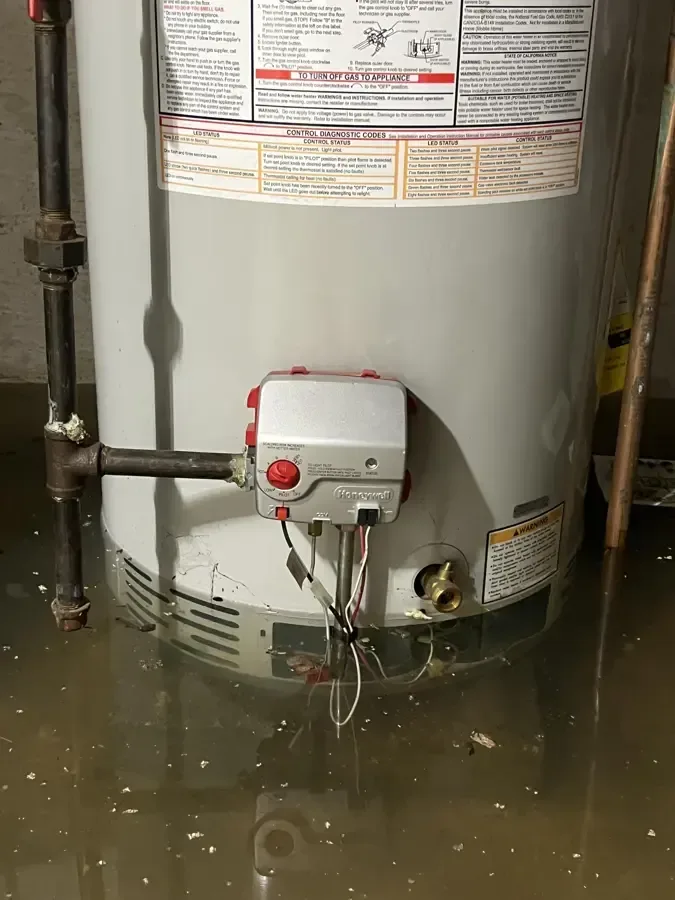
Water Heater Leak Cleanup
Garage, closet and attic tank failures extracted before drywall and subfloor wick the water up.
Details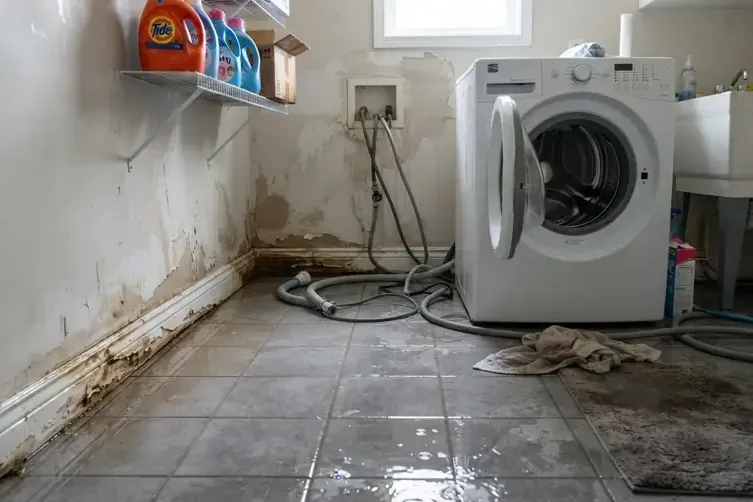
Appliance and Supply Hose Leaks
Washer hoses, dishwashers and ice maker tubing leak slowly under floors and cabinets until found.
Details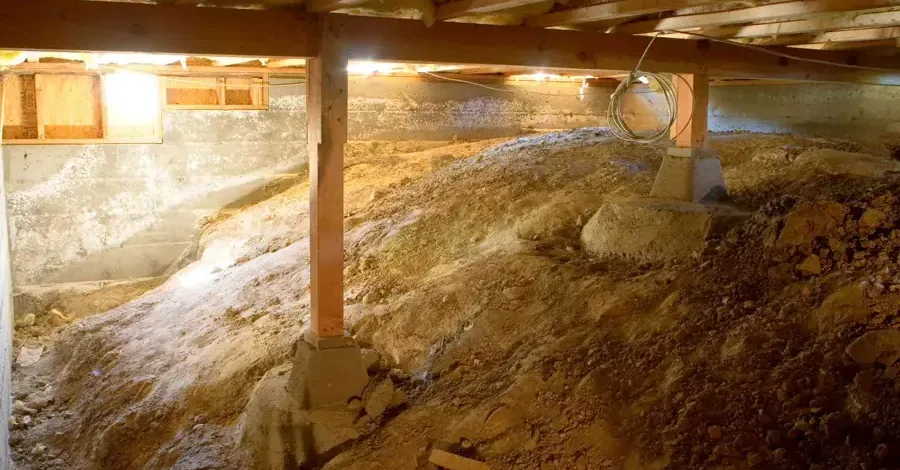
Crawl Space Water Removal
Water under raised-floor homes pumped out, wet insulation pulled and the joists and subfloor dried.
Details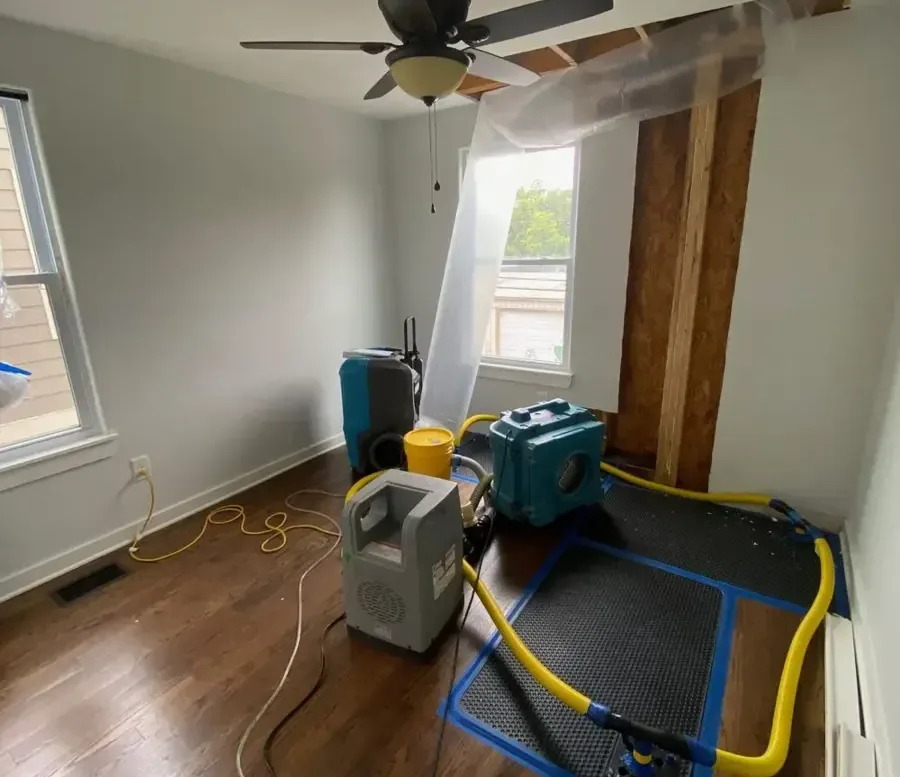
Structural Drying and Dehumidification
Framing, subfloor, hardwood and concrete dried to within 2 to 4 points of a dry reference.
Details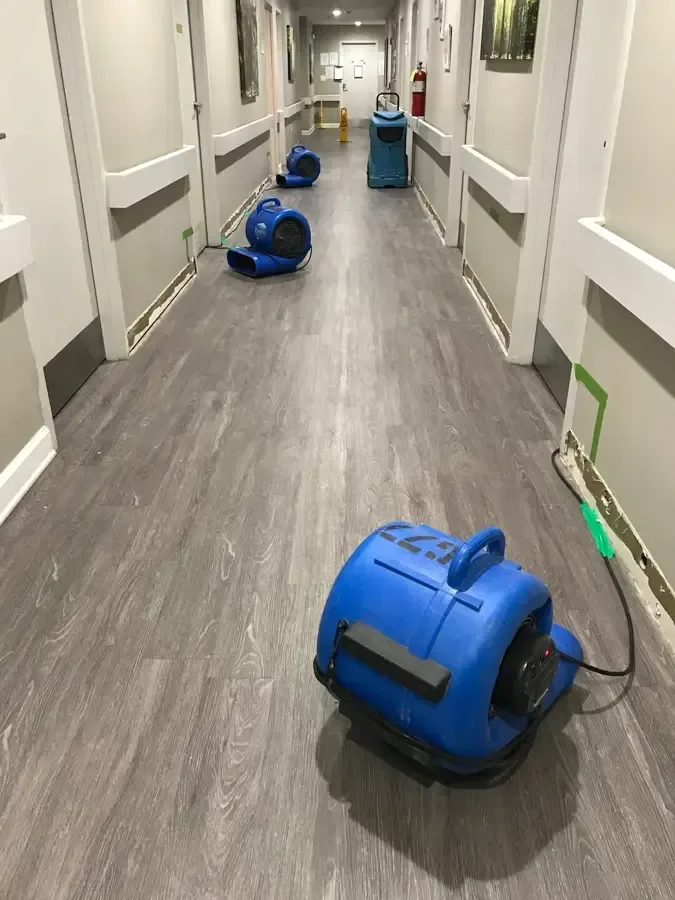
Commercial Water Damage
Shops, offices and restaurants on the main corridors dried in phases so doors stay open where they can.
DetailsEvery water loss in town gets the same four things
The restoration contractor who responds measures before cutting, dries to a standard instead of a calendar and writes it all down for the adjuster.
Rapid local response
Dispatch runs around the clock across town and eastern Wake County. Active water is treated as urgent at any hour.
IICRC S500 drying standard
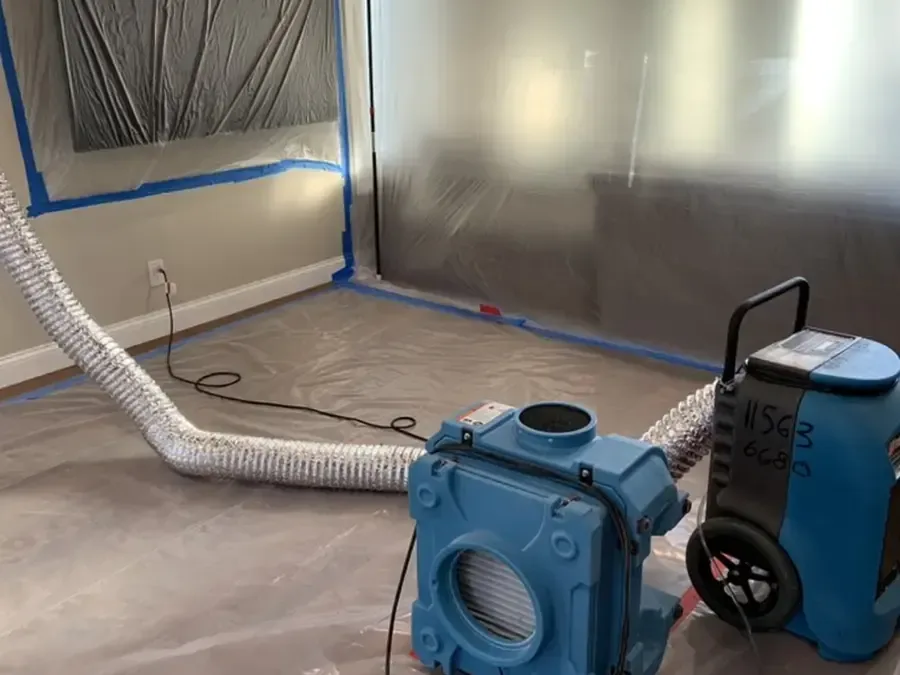
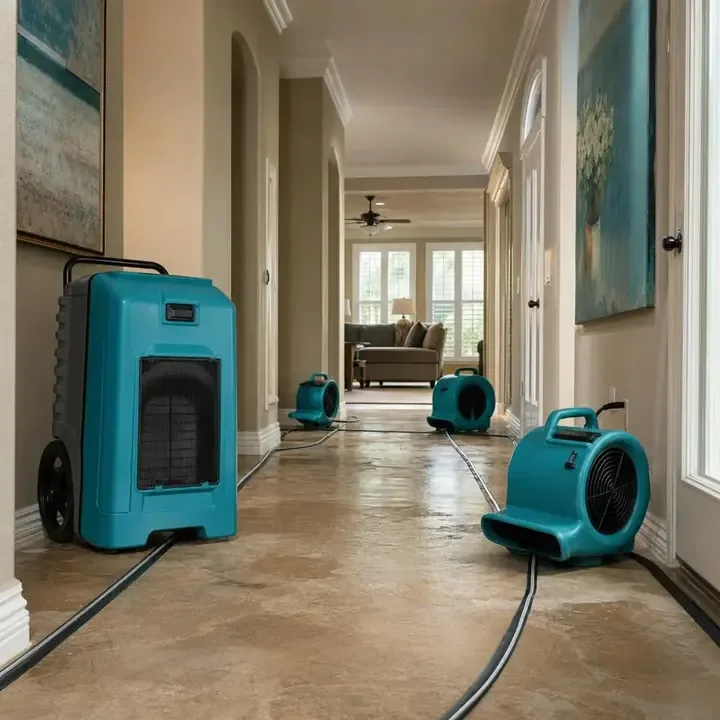
Air movers and LGR dehumidifiers are sized to the room's class of loss, and equipment stays until readings say dry.
Claim-ready documentation
A moisture map, daily psychrometric logs and timestamped photos taken before any demolition.
Knightdale water experts
Frozen crawl space pipes, sewer backups, summer storm water and upstairs supply leaks are the losses local homes produce.
All water damage categories covered in Knightdale, NC
Clean water
A supply pipe, a thawed frozen pipe or a water heater. Caught early, carpet, pad and drywall can often be dried in place.
Burst pipe water damageGray water
A washer, dishwasher or toilet overflow without waste. Pad usually comes out and surfaces get an antimicrobial.
Appliance and supply hose leaksBlack water
Sewage and storm runoff. Category 3 from the start: containment, PPE and removal of the porous materials it touched.
Sewage backup cleanupWhat does water damage restoration cost in Knightdale, NC?
Most water damage restoration jobs here run $1,100 to $6,000 for a contained clean-water loss and $7,000 to $28,000 or more when sewage, storm water or a long-running leak under several rooms or a crawl space is involved.
Contained clean-water loss
$1,100 to $6,000
- One or two rooms
- Extraction and drying
- 3 to 5 days of equipment
Multi-room or crawl space
$6,000 to $15,000
- Flooring or insulation out
- Wall bottoms opened
- Subfloor and joists dried
Sewage or storm water
$7,000 to $28,000+
- Category 3 containment
- Porous material removal
- Antimicrobial and HEPA air
Water category, square footage, material class and how fast drying started move the number most. Run the water damage cost calculator for a closer range, or see frozen pipe water damage costs.
Water damage dried to the IICRC S500 standard
IICRC S500 is the industry drying standard. It treats a water loss as a structure problem, not a carpet problem: framing, subfloor and crawl space wood hold water long after surfaces feel dry.
- 1
Inspect and map
The tech who does the walkthrough finds the source, sets the category and class and maps moisture with meters and thermal imaging.
- 2
Extract
The extraction crew pulls standing water with truck-mounted or portable units, the fastest way to cut drying time.
- 3
Dry and dehumidify
Air movers are set to the room's evaporation load, with LGR dehumidifiers, and desiccants for dense Class 4 materials.
- 4
Verify and document
Daily readings until materials sit within 2 to 4 points of a dry reference, logged for the claim file.
Documentation for your insurance claim
Adjusters pay on documentation. The mitigation team builds the file while the drying runs, so the record matches what was wet and what was done.
- A moisture map of every wet room, wall, floor and crawl space
- Daily psychrometric logs and material readings until dry
- Timestamped photos taken before any demolition
- The water category and class of loss, with the source
- A line-item scope, written Xactimate style
Check your own policy
Sudden and accidental water, like a burst supply pipe, is often covered. Gradual leaks, storm flooding and sewer backups are often treated differently, and standard property insurance does not cover flood damage.
The town takes part in the National Flood Insurance Program. Coverage depends on your policy, so check with your own insurer before work beyond emergency drying begins.
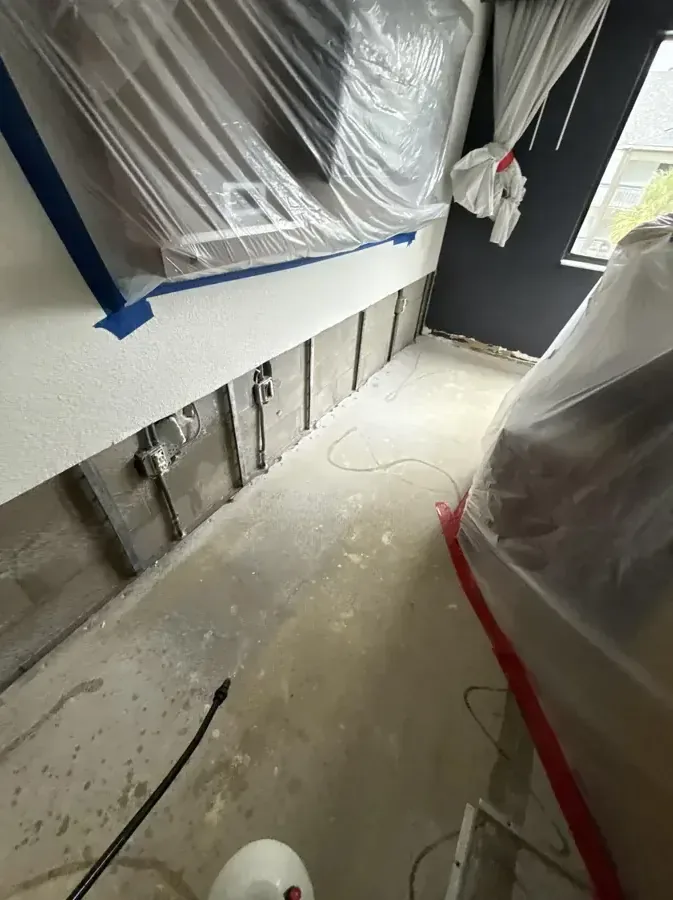
What a water damage dry-out looks like in Knightdale
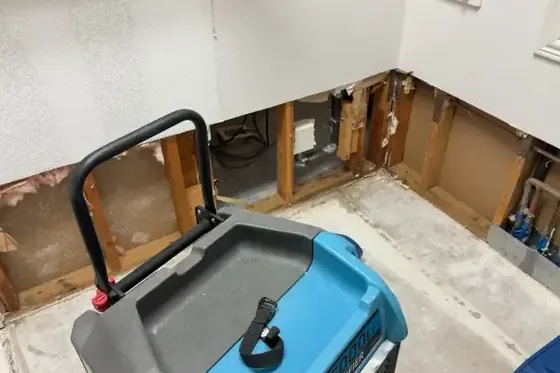
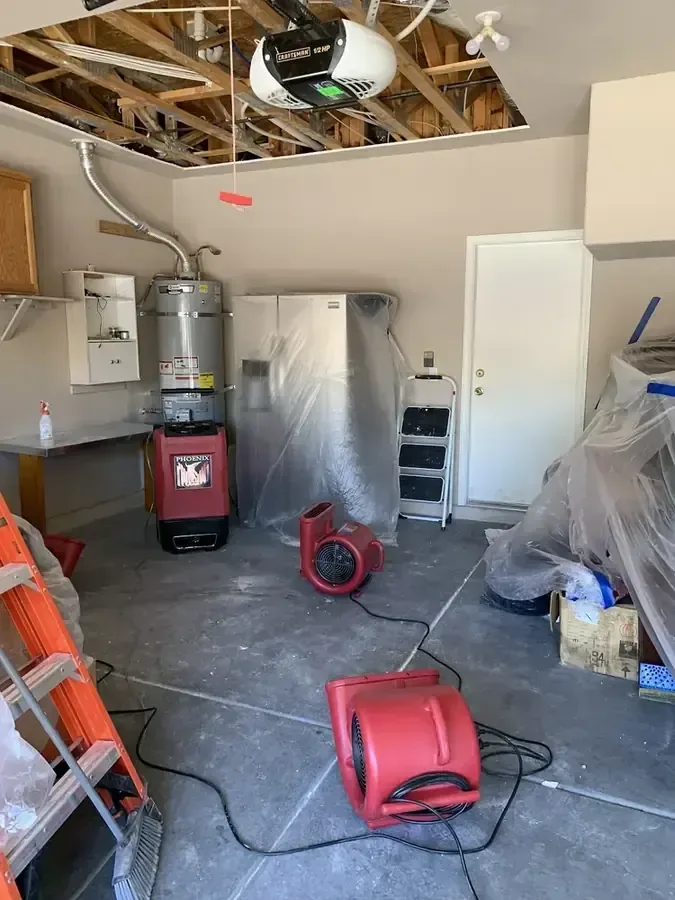
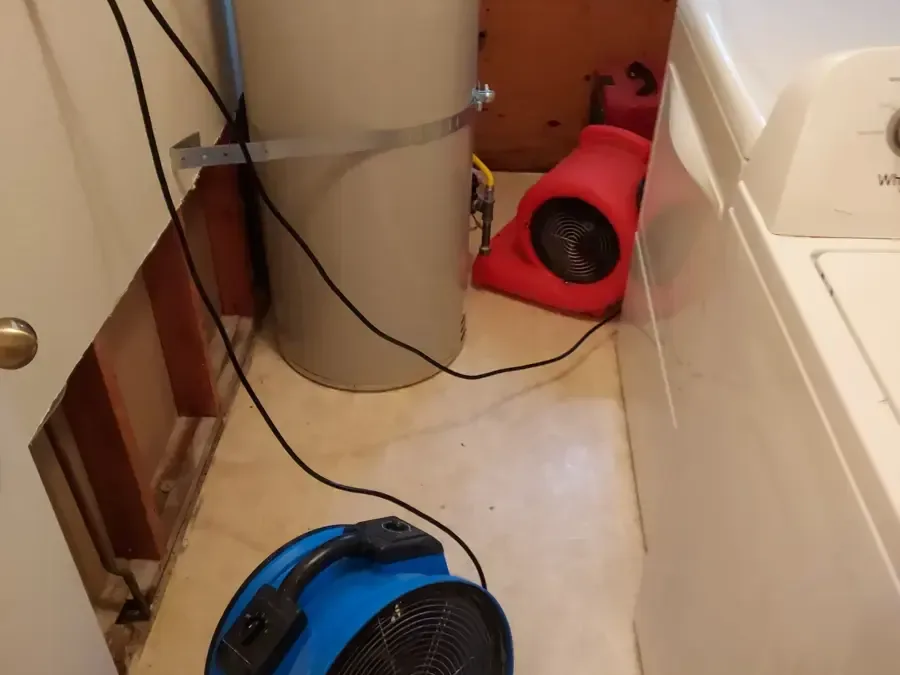
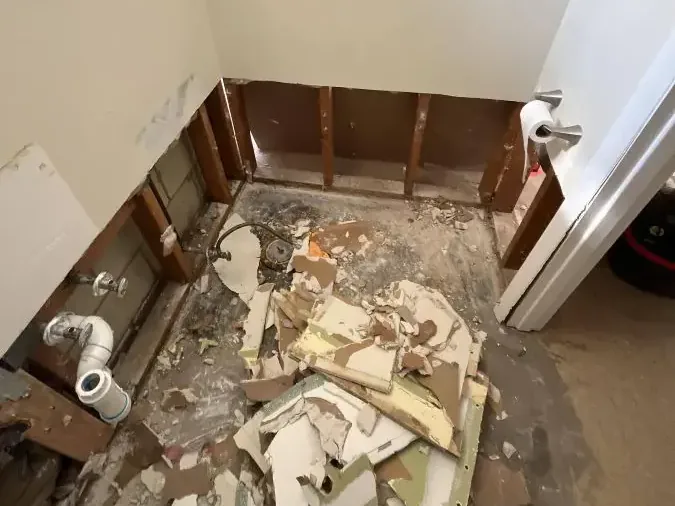
Neighborhoods and ZIP codes covered in Knightdale, NC
Neighborhoods and corridors
ZIP code
Nearby towns
One call reaches Knightdale water damage pros, 24/7
From the older homes off First Avenue and Main Street to Parkside, Planter's Walk and the streets toward the Neuse River, the restoration team covers every neighborhood at any hour.
Call (888) 578-4720 for extraction, burst and frozen pipes, sewage backups and storm water in ZIP 27545.
Knightdale, NC · [email protected]
Why Knightdale homes take on water
The town was incorporated in 1927 around a railroad depot, then grew from 1,700 people in 1990 to 19,435 in 2020. Its housing and its weather both set the list.
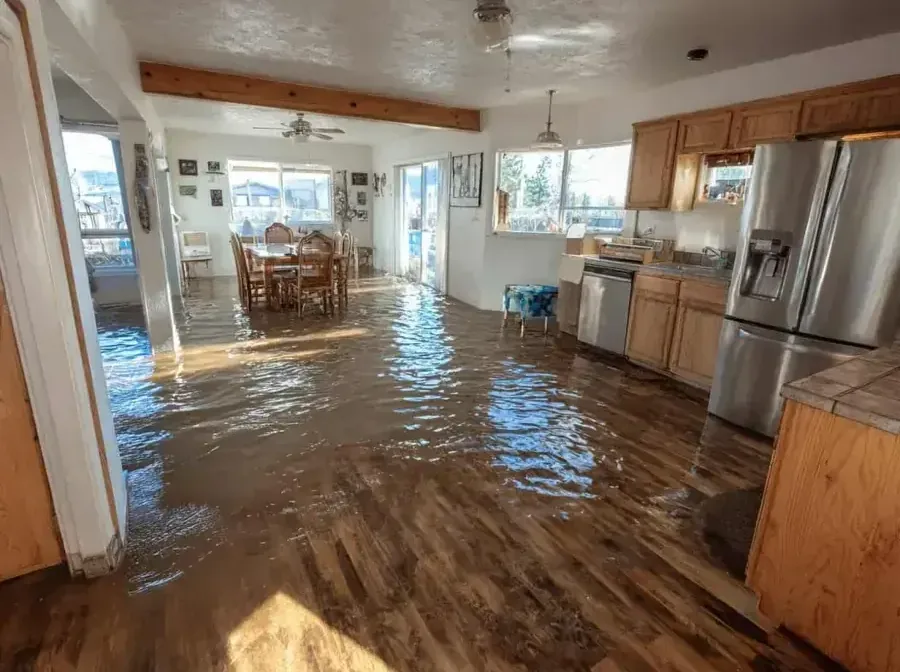
March 2023: a sewer overflow in town released about 2,300 gallons of raw sewage, a reminder that backups can start in the public pipes.
- 01Freeze snaps on exposed pipes. Winter lows sit in the low to mid 30s, so a few hard nights catch pipes in crawl spaces, garages and outside walls, and the leak shows up at the thaw.
- 02Summer downpours. July and August are the wettest months. Heavy storms overwhelm gutters and grading and push water into crawl spaces, garages and lower rooms.
- 03Railroad-era homes near the old depot. Homes built for railroad workers near First Avenue and Main Street are the oldest in town, and older plumbing fails inside walls and under floors.
- 04Fast growth south of US 64. The Mingo Creek sewer outfall opened Parkside, Planter's Walk and Mingo Creek in the late 1980s. In homes of that age, water heaters, supply hoses and washer connections are common failure points.
- 05Sewer backups. Raleigh Water owns and runs the public sewer here. A blocked main or private lateral sends sewage up the lowest drain in the home first.
Water damage questions from Knightdale homeowners
Water on the floor right now?
Shut off the main if it is safe, then call. The drying team brings extraction gear, meters and dehumidifiers at any hour.
(888) 578-4720Reach eastern Wake dispatchHow fast does someone respond to water damage in Knightdale?
Dispatch runs around the clock, and active water is treated as urgent at any hour. Response time depends on traffic and how many calls are open, so start the first steps while help is on the way.
How long does it take to dry a water-damaged home?
A contained Class 1 loss usually dries in three to five days. Hardwood, a crawl space or a slab takes longer, and equipment stays until readings match a dry reference. The drying time estimator gives a typical window.
What is the IICRC S500 standard?
IICRC S500 is the industry standard for water damage restoration. It sets how the category and class of a loss are judged, how equipment is sized and when a material counts as dry.
How do I know if my pipes are at risk of freezing?
Pipes in a vented crawl space, an unheated garage, an attic or an outside wall freeze first in a cold snap. The frozen pipe risk check scores the risks in a minute.
Why does sewage come up in the tub or toilet first?
The lowest drain in the home is where a blocked sewer lateral or main shows up first, often a tub, shower or ground-floor toilet. See sewage backup cleanup.
What happens when water gets into the crawl space?
The extraction crew pumps out standing water, pulls wet insulation and dries the joists and subfloor with dehumidifiers and air movers until the wood reads dry. See crawl space water removal.
What is the difference between mitigation and repair?
Mitigation stops the damage: extraction, removal of what cannot be saved and drying. Repair puts the home back together afterward. Insurers usually want mitigation started right away.
When does drywall have to come out?
Drywall touched by sewage or storm runoff comes out. With clean water caught early, the drying team often dries it in place, and only cuts when readings or swelling show it will not dry.
Does homeowners insurance cover water damage here?
Sudden and accidental water, such as a burst pipe, is often covered. Storm flooding and sewer backups are often treated differently. Coverage depends on your policy, so check with your own insurer.
How soon does mold become a risk after a leak?
Mold can start growing within 24 to 48 hours on wet drywall, wood and carpet pad, which is why extraction and drying should start early.
Water where it should not be in Knightdale? Start the dry-out now.
Extraction, structural drying and a claim-ready file, 24/7, from Old Downtown to Mingo Creek.