Water Damage Restoration Selma, NC
Burst pipes, sewage backups, storm runoff and soaked ceilings hit town homes and shops without warning. The restoration team pulls out standing water, dries the structure and documents the loss for the insurance file.
(888) 578-4720Water in the house? Call the drying crewActive leaks and sewage are treated as urgent. Shutting off the supply valve keeps the damage smaller until the crew arrives.
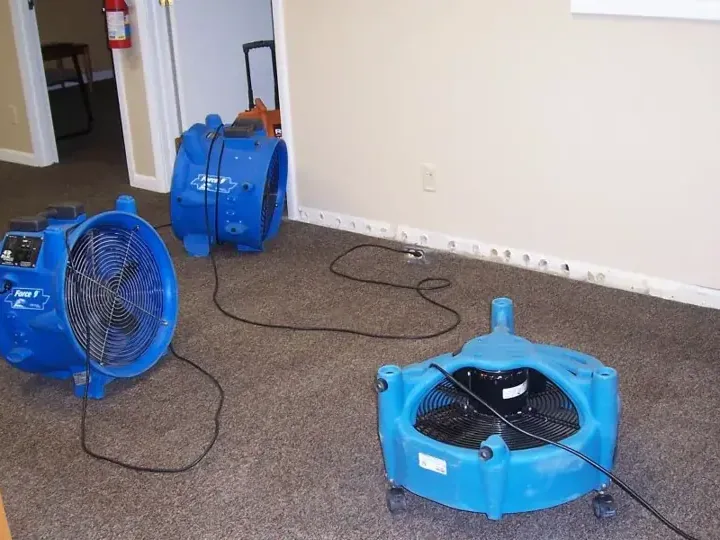
What to do right after water shows up
- 1
Stop the source
Close the main shutoff or the fixture valve so no fresh water feeds the leak, then switch off power to wet areas.
- 2
Keep people clear
Stay out of standing water near outlets and keep children and pets away from sewage or storm water.
- 3
Photograph everything
Take photos and short video of the damage and affected belongings before anything is moved or thrown away.
- 4
Call for extraction
Describe the source and what is wet so the crew can bring the right pumps and dryers.
- 5
Save the paperwork
Keep receipts and damaged items for the adjuster until the claim is settled.
Water damage services for Selma homes and shops
These services cover the common ways water gets into houses, apartments and storefronts here, from a split supply pipe to a flooded crawl space or a leaking roof.
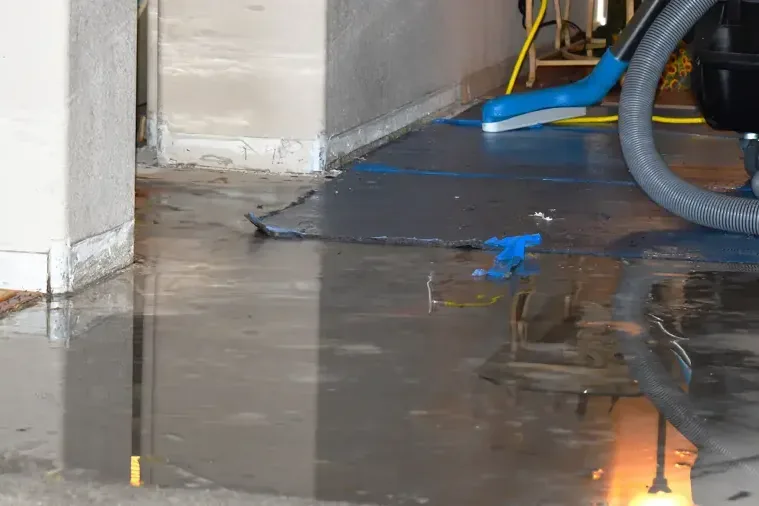
Water Extraction and Removal
Pumps and wet vacuums remove standing water from slabs and crawl spaces before it climbs the walls.
Details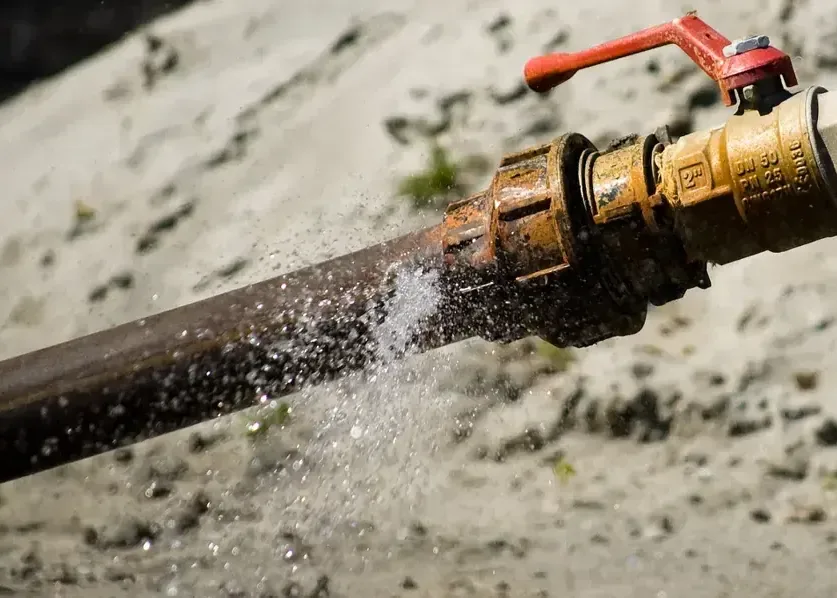
Burst Pipe Water Damage
A split supply pipe soaks a wall and the room below fast, so shutoff and drying come first.
Details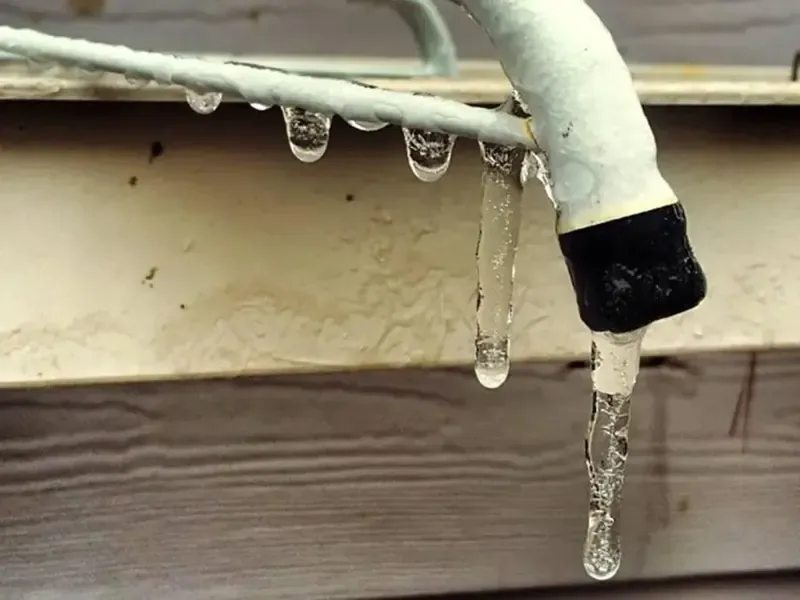
Frozen Pipe Water Damage
Freeze nights split pipes in crawl spaces and outside walls, and the thaw floods the area.
Details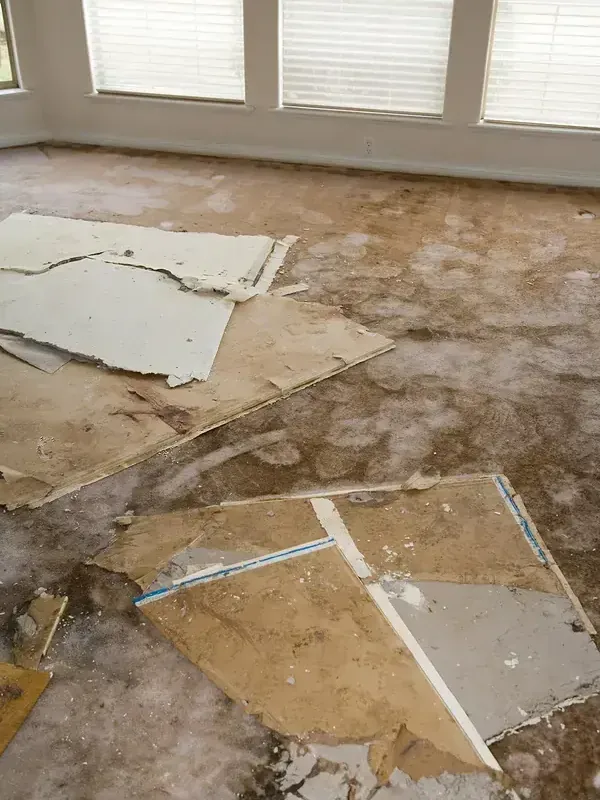
Slab Leak Water Damage
A damp floor or warm spot can point to a leak under the concrete slab.
Details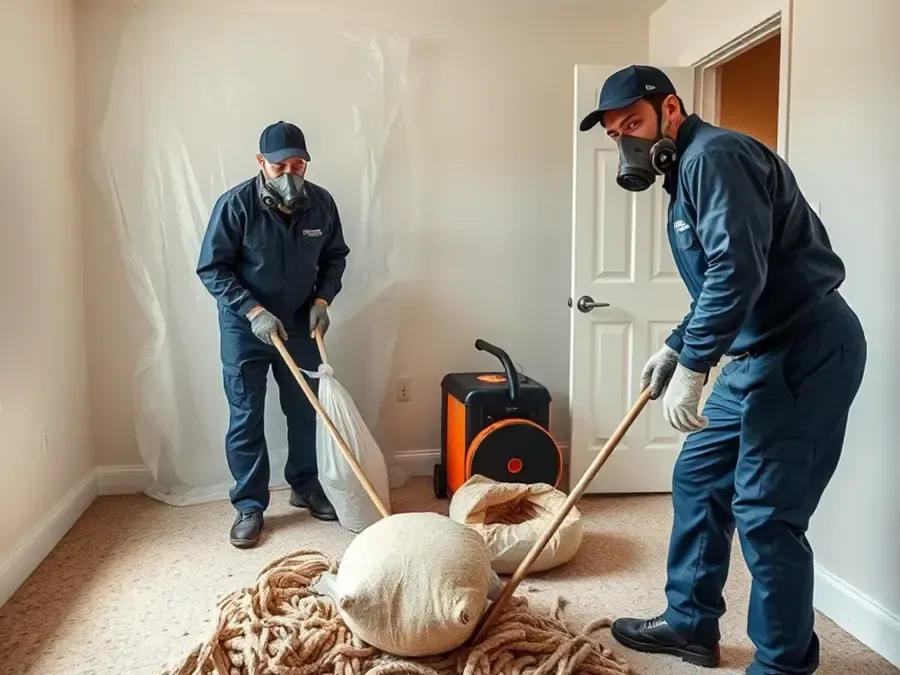
Sewage Backup Cleanup
Backups need safe removal, disinfection and a check of whether the blockage is in the house or the main.
Details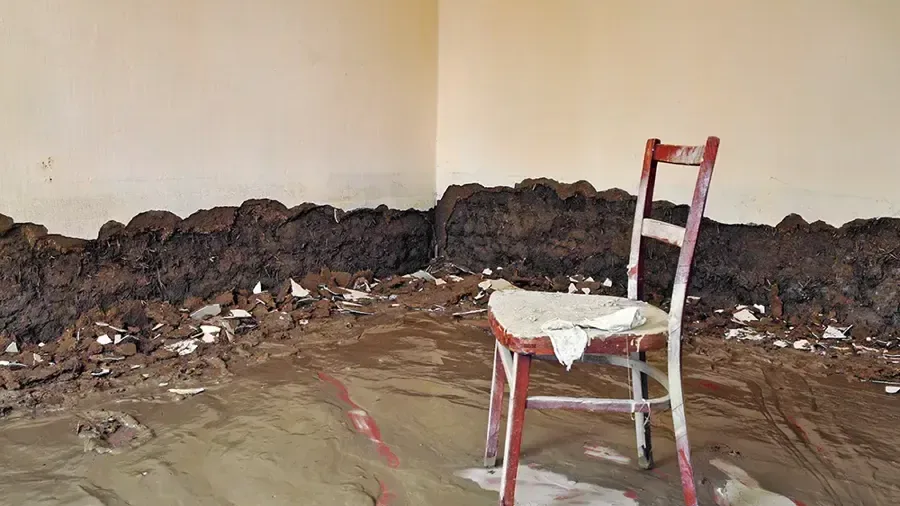
Storm and Flash Flood Cleanup
Heavy rain and runoff push water toward low ground, so cleanup starts with where it came from.
Details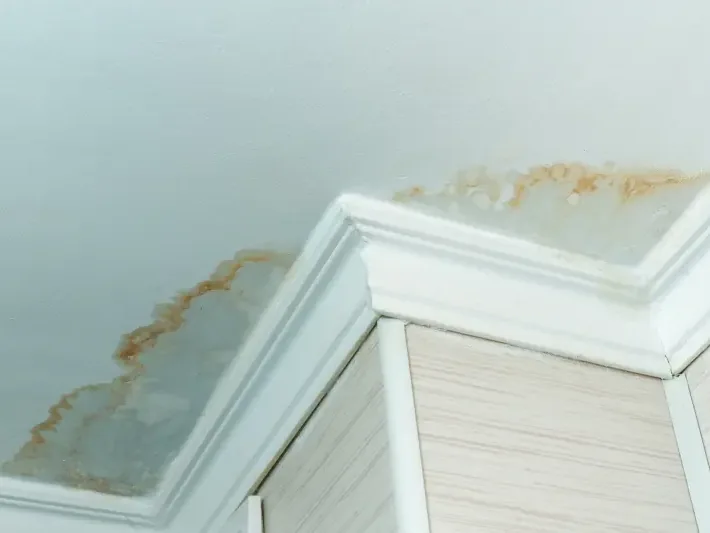
Roof Leak Water Damage
Failed flashing and worn shingles let rain into attics and ceilings, which then need opening and drying.
Details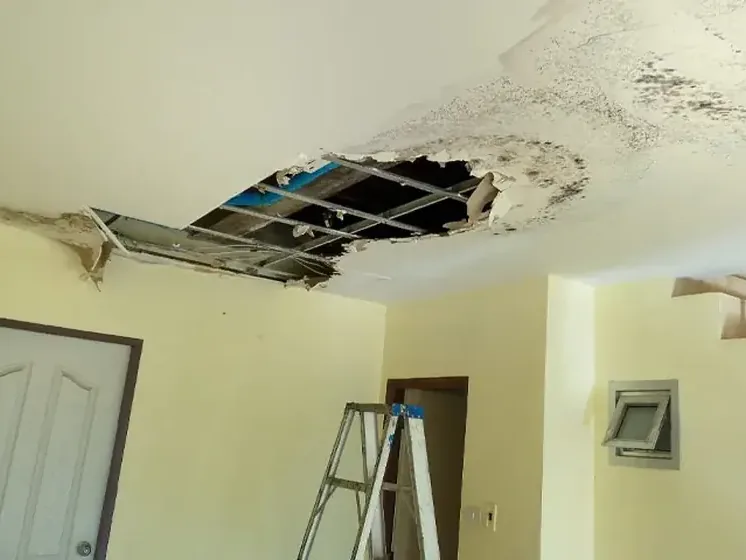
Ceiling Leak Water Damage
Stained or sagging ceilings often trace to upstairs plumbing or a roof leak, and the cavity above needs drying.
Details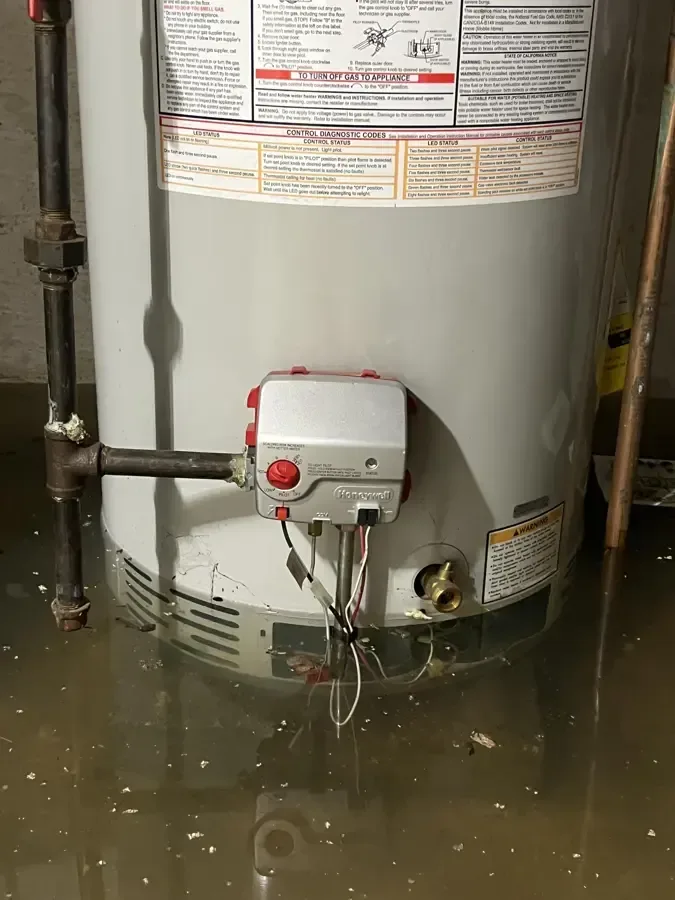
Water Heater Leak Cleanup
A leaking tank drains onto the floor below, and closing the supply valve comes first.
Details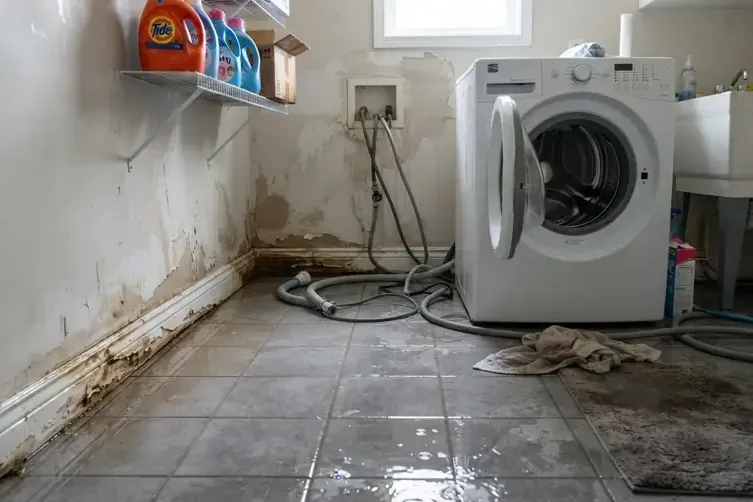
Appliance and Supply Hose Leaks
Washer, dishwasher and refrigerator hose leaks spread behind cabinets and under flooring before anyone notices.
Details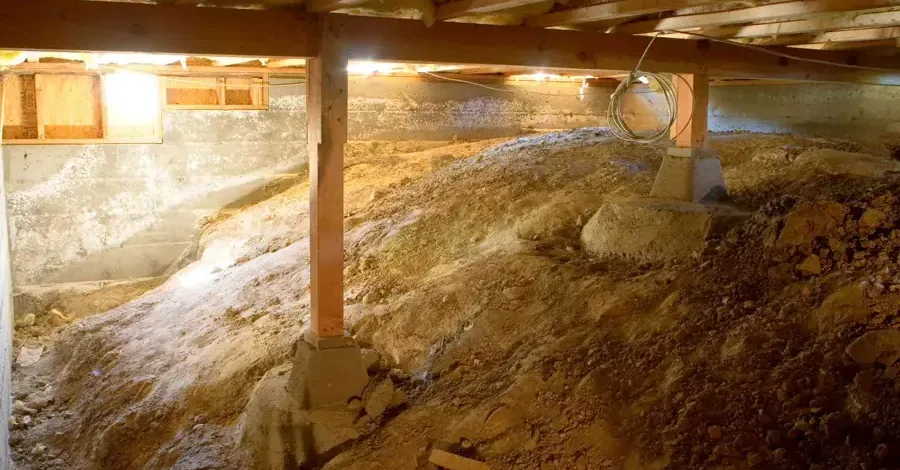
Crawl Space Water Removal
Standing water, wet insulation and damp subfloors are removed and dried from under the house.
Details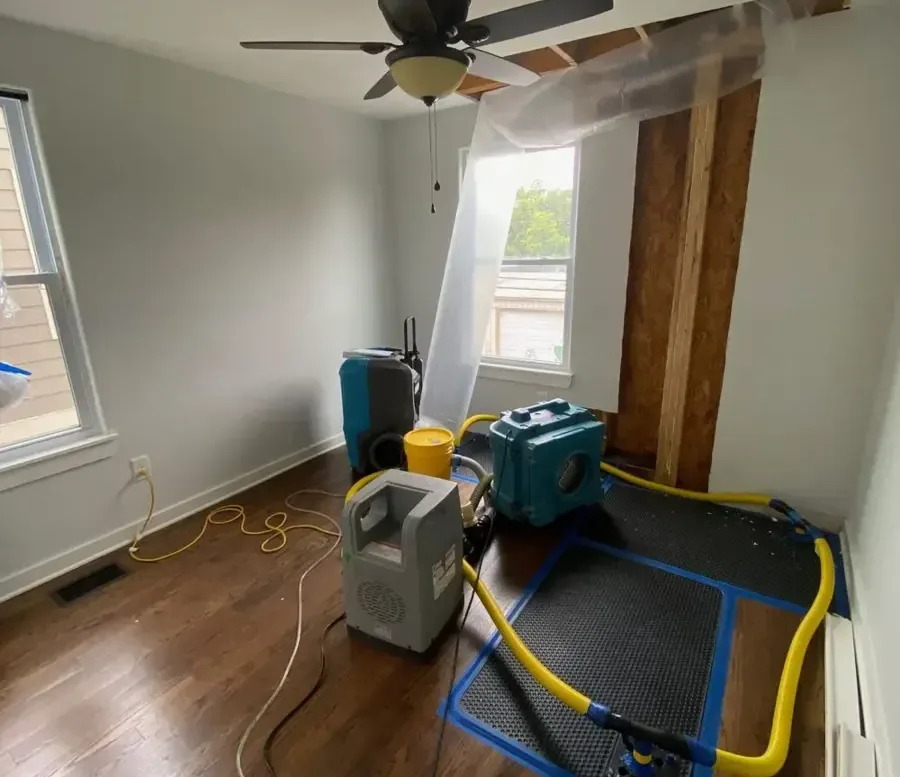
Structural Drying and Dehumidification
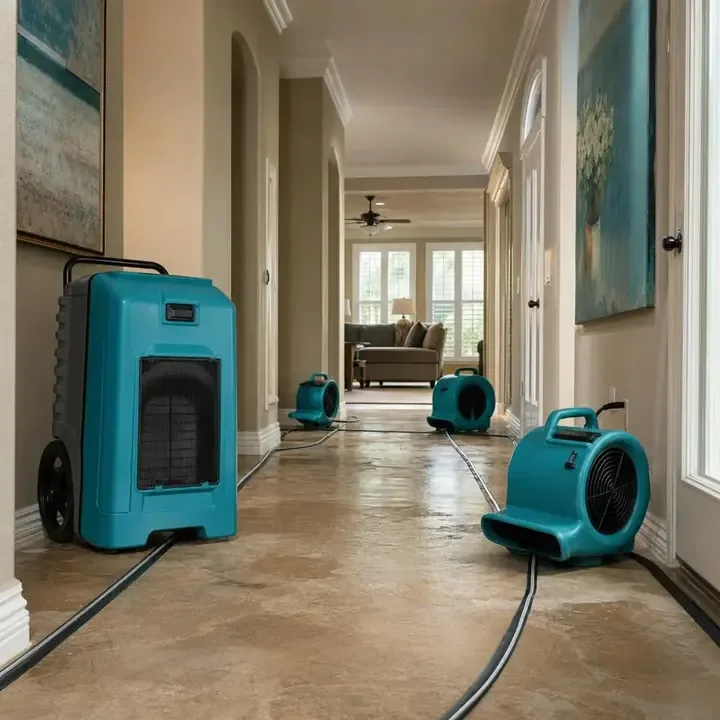
Dehumidifiers and air movers dry framing and floors to readings, not guesses.
Details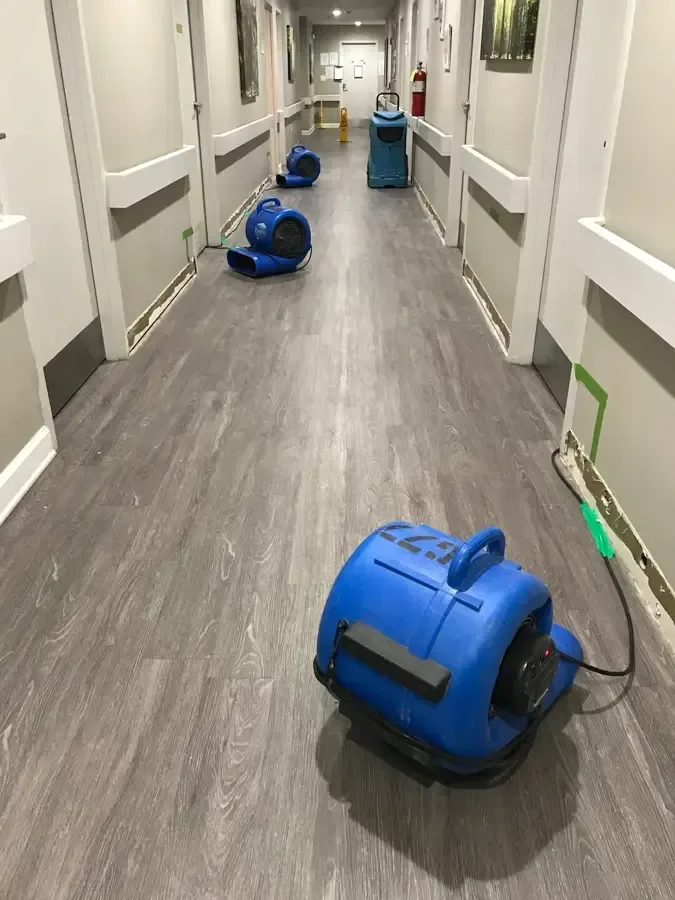
Commercial Water Damage
Shops, restaurants and hotels get a drying plan that keeps the business running where possible.
DetailsA local crew with a full process
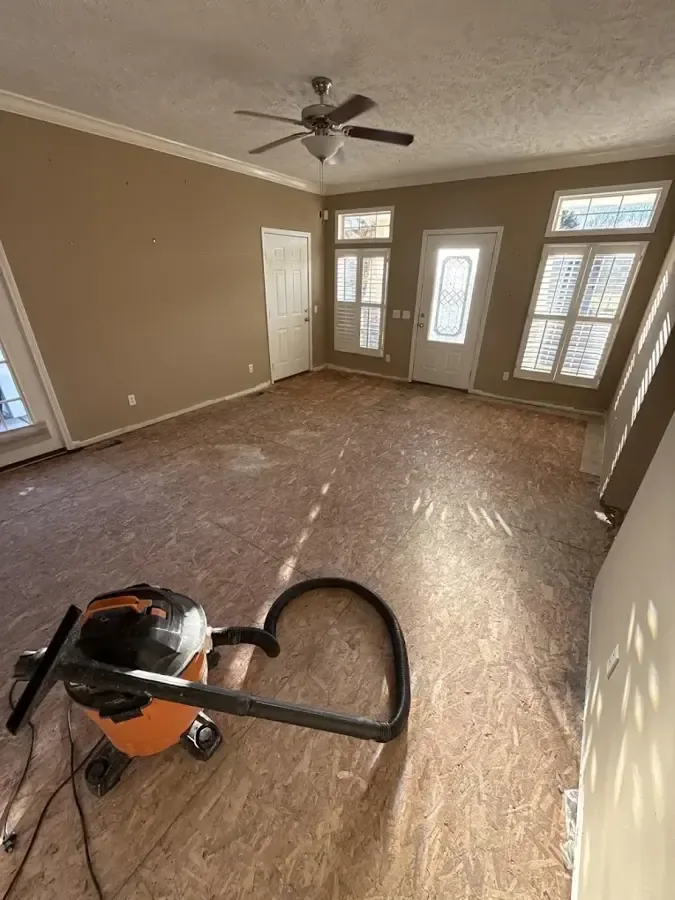
One team covers pumping, drying and claim paperwork, so owners are not left coordinating separate trades while water keeps spreading.
Open day and night
Active leaks do not wait for business hours, so dispatch is open at any hour, every day of the week.
Meter based drying
Moisture meters and thermal imaging show where water traveled, and readings decide when equipment comes out.
Town utilities known
The Town of Selma runs electric, water and sewer, so the crew checks early whether trouble sits in the house or the system.
Claim ready records
Photos, readings and equipment logs are kept for the adjuster from the first visit to the final dry reading.
Clean, gray and black water need different care
Clean water
Water from a supply pipe or tank. When caught early, carpet and drywall can often stay and dry in place.
Burst pipe water damageGray water
Used water from a washer, dishwasher or fridge hose carries contaminants, so soaked padding and low drywall are usually removed.
Appliance and hose leaksBlack water
Sewage and flood water carry bacteria. Affected materials are removed and the area is disinfected before drying.
Sewage backup cleanupWhat water damage cleanup tends to cost
Cost follows how much water, how long it sat and what it touched. A single room caught early sits at the low end of the range, while storm water or sewage across a floor reaches the top pricing tier.
One room, caught early
$1,100 to $6,000
- Water extraction
- Fans and dehumidifier
- Wet baseboards removed
Several rooms or floors
$6,000 to $15,000
- Drywall cut and removed
- Flooring pulled
- Daily moisture readings
Whole floor or storm water
$7,000 to $28,000+
- Structural drying
- Contents handling
- Crawl space or sewage work
Ranges are typical for the region, not a quote. An on site walkthrough with moisture readings sets the real number, and the adjuster's scope often shapes the final invoice.
Drying measured against a written standard
Every job follows the same sequence: find the source, remove the water, dry with equipment sized to the room and confirm the result with readings before anything is rebuilt.
- 1
Find the source
The crew locates the leak or intrusion point, sets the water category and maps wet areas with meters and thermal imaging.
- 2
Remove the water
Pumps, wet vacuums and extractors take out standing water, then wet padding and damaged drywall come out as needed.
- 3
Dry the structure
Air movers and dehumidifiers run for days while moisture readings are logged each visit until materials reach the target.
- 4
Document the loss
Photos, readings and equipment records go into one file the adjuster can read through.
Water damage and your claim
Many homeowner policies cover sudden water damage but not slow leaks or neglected maintenance, so the cause matters as much as the cleanup.
- Photos of every wet room before cleanup begins
- A written list of damaged belongings and their value
- Moisture readings from the first and last visit
- Receipts for emergency repairs and rented equipment
- The date and cause of the loss, as best known
What owners can do themselves
Closing valves, moving small furnishings, lifting wet rugs and running a fan on a dry floor are reasonable first moves while waiting for the crew. Anything that touches electrical systems or sewage should wait.
Tearing out wet drywall or flooring before it is photographed can weaken a claim, so keep samples and records.
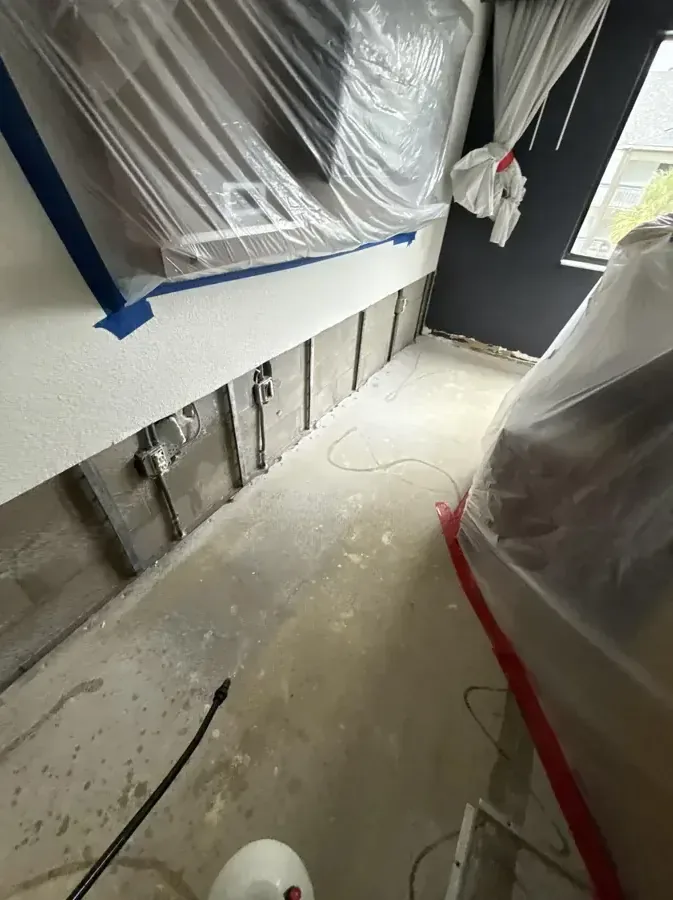
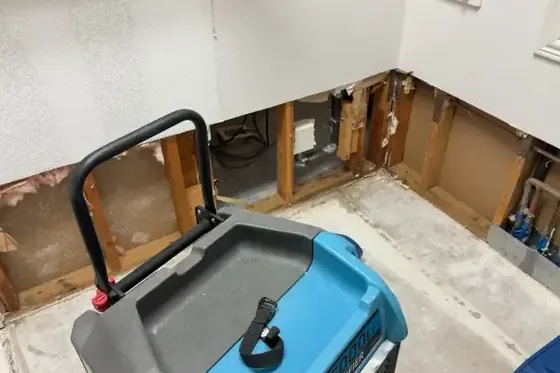
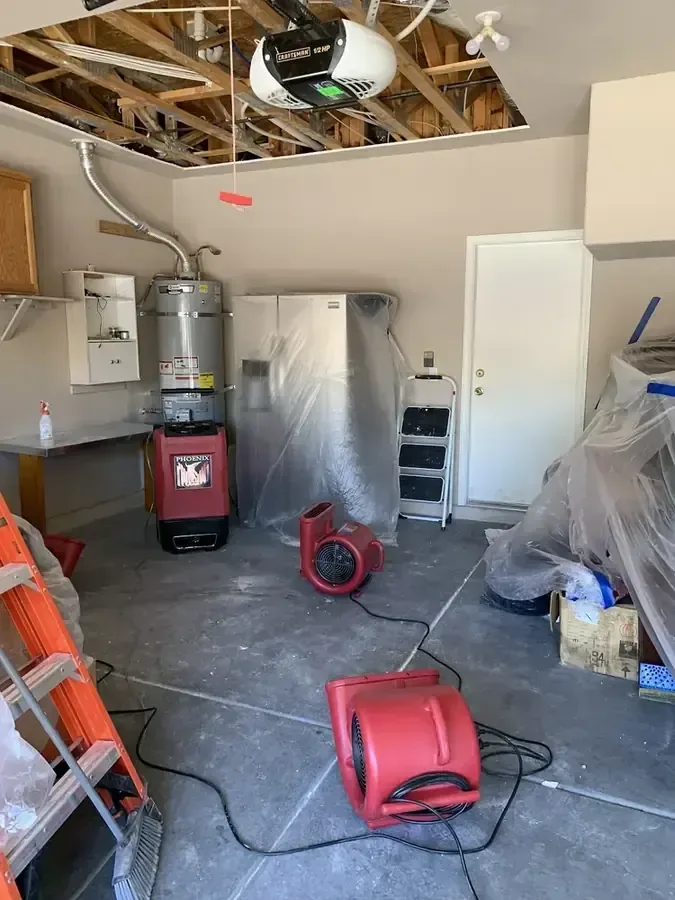
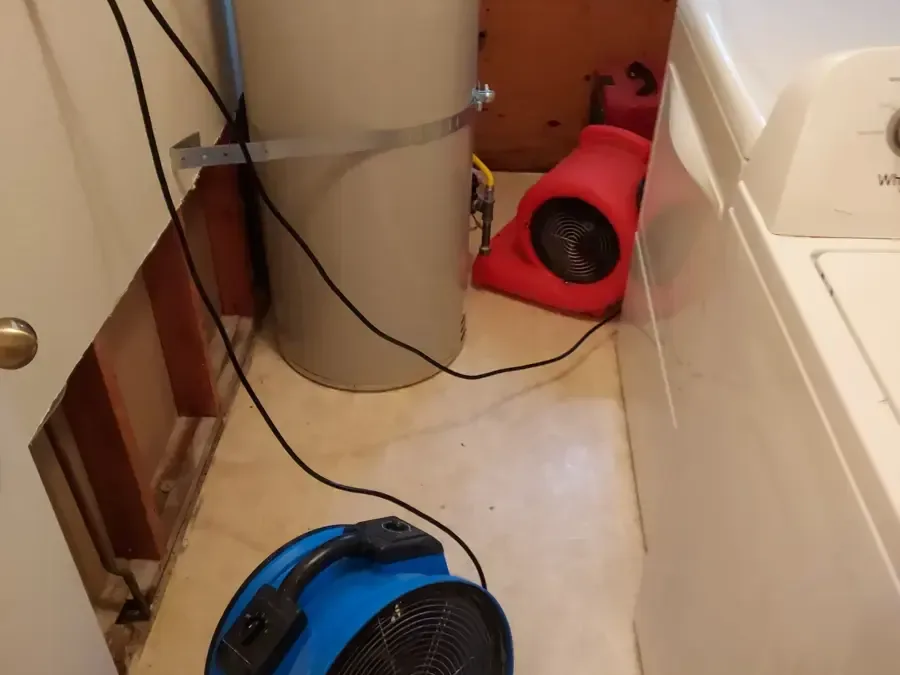
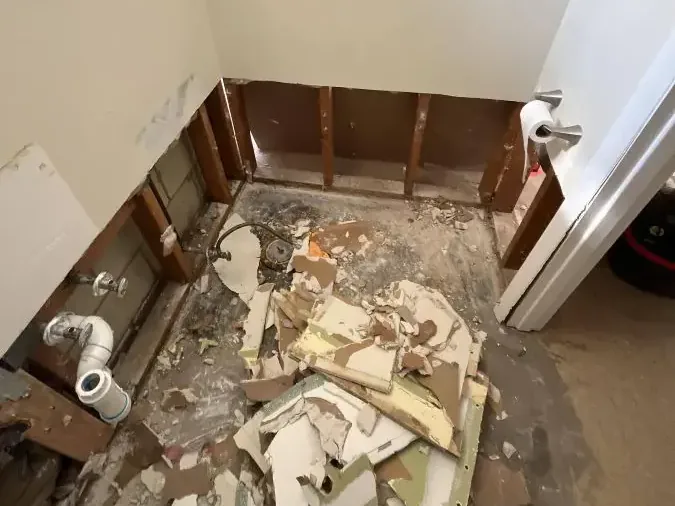
Typical drying and cleanup scenes
Water damage crews across town
Areas covered
ZIP code
Nearby towns
Reach a crew for your home or shop
Dispatch runs at any hour across town, from the older railroad-era center to newer subdivisions such as Cross Creek.
Describe what is wet when calling, and the crew brings pumps, dehumidifiers and meters matched to the job. The first visit maps the wet area.
Selma, NC · [email protected]
What puts Selma homes at risk
Selma pairs an older railroad-era center with newer subdivisions, all on town water and sewer, and sits in the Neuse River basin where heavy rain can push runoff toward low ground.
May 1, 1867: Lots were sold around a new railroad station, starting a town where downtown buildings of many ages now stand beside newer subdivisions.
- 01Storm runoff and low ground Runoff from pastures and small tributaries drains toward Mill Creek north of town, and heavy rain can send water toward low yards, garages and crawl space vents.
- 02Aging downtown storefronts Older masonry buildings and antique shops downtown can hide slow roof, flashing and plumbing leaks inside walls, so damage may spread before anyone sees a stain.
- 03Sewer backups in town service Sewer service comes from the Town of Selma, so a backup first needs a check of whether the blockage is in the home drain or the town main.
- 04Freeze nights in crawl spaces Central North Carolina sees freeze nights each winter, and pipes in unheated crawl spaces and outside walls are the usual trouble spots when the thaw arrives.
- 05Busy commercial buildings Hotels and restaurants cluster near Interstate 95, and a leak in a kitchen or guest room can tie up revenue space, so drying plans aim to keep the rest open.
Common water damage questions
Still have questions?
For anything not covered here, call and describe the situation. The crew can explain the next step for the specific kind of water involved.
(888) 578-4720Call with a questionHow fast should water be removed after a leak?
As soon as possible. Within a day or two, wet drywall and subfloor can swell and start growing mold, so extraction and drying should begin right away. Waiting longer usually means more material has to come out.
Does the crew work on slab and crawl space homes?
Yes. The foundation type of each home is confirmed on site, because it changes how water is pumped out and how the floor is dried. Slab and crawl space floors each dry a little differently.
What does a typical job cost?
One room caught early runs $1,100 to $6,000, several rooms or floors run $6,000 to $15,000, and whole floor or storm water jobs run $7,000 to $28,000+.
Who handles a sewer backup?
The crew handles cleanup and disinfection. Sewer service comes from the Town of Selma, so a blockage in the main is a call to town utility customer service. The crew will explain which party handles which part.
Can wet carpet be saved?
Clean water caught early often lets carpet dry in place with the pad lifted. Gray or black water usually means the carpet and pad are removed. Hardwood and tile behave differently from carpet.
Will the crew work with the insurance adjuster?
Yes. Photos, moisture readings and equipment logs are kept so the adjuster sees the cause, the scope and the drying progress. Keeping a simple log of dates helps.
How long does drying take?
Most structures need several days of equipment, and the readings, not the calendar, decide when it ends. Hardwood and plaster can take longer than carpet and drywall.
Are commercial buildings handled too?
Yes. Downtown shops, restaurants and hotels near Interstate 95 get a drying plan built to keep part of the business open when it is safe.
What should be done before the crew gets there?
Close the main or fixture valve, shut off power to wet areas if it is safe, photograph the damage and move small valuables out of the water. Pets should stay clear of wet areas as well.
Does the crew handle frozen pipes?
Yes. Freeze nights split pipes in unheated crawl spaces and outside walls, and the thaw releases water that needs pumping and drying. Wet insulation in the crawl space is usually removed.
Water damage in Selma? Get the pumps and dryers moving.
Extraction, structural drying and a claim ready file for homes and shops from downtown to Cross Creek.