Crawl Space Water Removal in Knightdale, NC
Water under a raised floor sits out of sight while it soaks insulation, joists and subfloor. The extraction crew pumps it out, pulls wet insulation and runs dehumidifiers under the home until the wood reads dry.
(888) 578-4720Crawl space flooded? Call now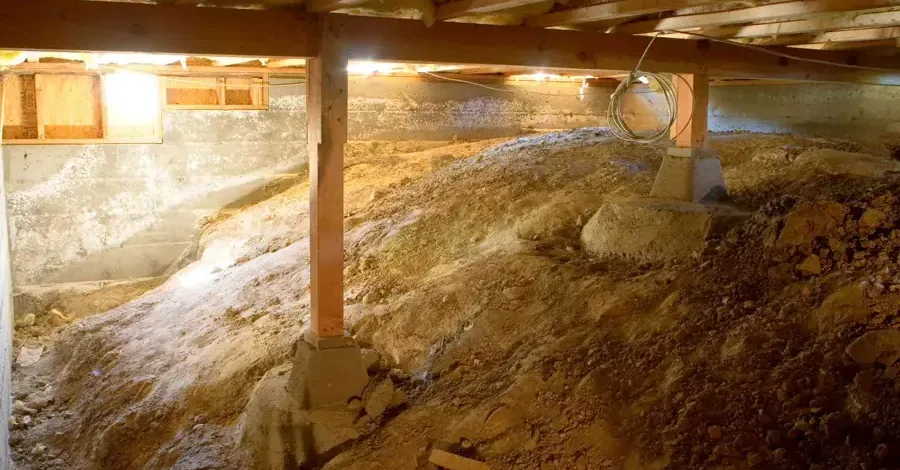
First steps for crawl space water removal in Knightdale
Find the source
Shut off the main if a pipe is leaking under the floor.
Cut power to crawl equipment
Switch off any pump, heater or air handler in the crawl space.
Stay out of the water
Crawl spaces can hold sewage or live wiring; do not crawl in.
Note the entry point
Check for wet vents, downspouts or low spots where water came in.
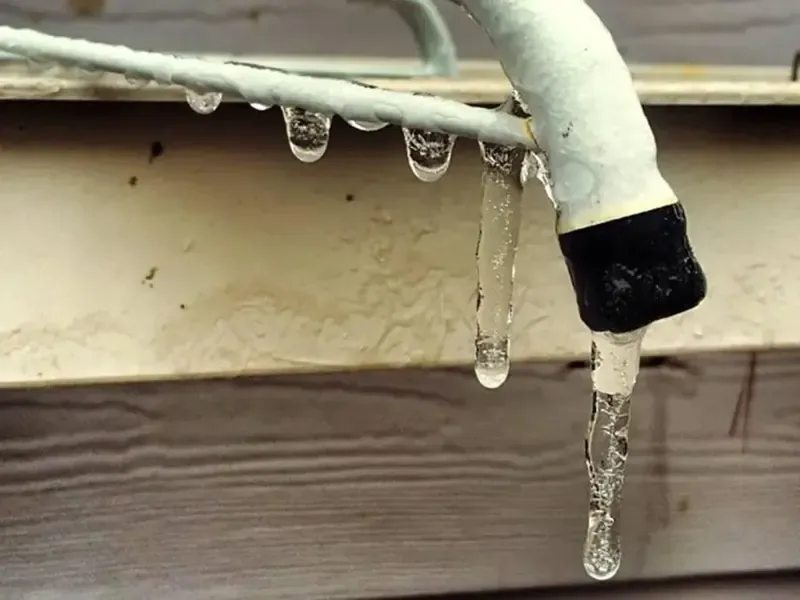
A crawl space holds water in three common ways: a supply pipe or frozen pipe that splits under the floor, a drain or sewer pipe that leaks, or storm water that runs in through vents and low spots during a heavy summer rain. Crawl space homes of any age are exposed, whether an older house near Old Downtown and Main Street or a newer one in Mingo Creek or toward Hodge Road and the Neuse River. July and August bring the most rain, and humid summer air keeps a wet crawl space from drying on its own.
What does crawl space water removal cost in Knightdale, NC?
Crawl space water removal in Knightdale typically runs $1,500 to $12,000, depending on how much water pooled, whether it was clean, storm or sewage water, how much insulation and vapor barrier must come out and how long the wood stayed wet.
Clean water, small area
$1,500 to $4,000
- Pump-out
- Spot insulation removal
- Dehumidifier drying
Full crawl space
$4,000 to $8,000
- Insulation removed
- Vapor barrier pulled
- Joist and subfloor drying
Storm water or sewage
$8,000 to $12,000+
- Category 3 cleaning
- Antimicrobial
- Extended drying
Ranges are typical, not a quote: category of water, square footage, material class and how fast drying started move the number most. Run the water damage cost calculator for a closer range.
How crawl space water removal is handled in Knightdale
The tech who does the walkthrough maps moisture before any equipment goes down, so the drying plan matches what is actually wet. Equipment stays until the readings say dry, not until it looks dry.
- 01
Pump out
Standing water removed through the access.
- 02
Strip out
Wet insulation, debris and failed barrier bagged out.
- 03
Dry
LGR dehumidifiers and air movers under the home.
- 04
Verify
Daily joist and subfloor readings to the dry goal.
What water does under the floor
- Soaks batt insulation, which sags and holds water against the subfloor
- Wets the joists, sill plate and subfloor, raising wood moisture
- Pools on the vapor barrier or soaks the soil below it
- Feeds musty odor into the rooms above
The Ready.gov flood safety guidance covers storm water safety, and the Energy Saver program covers crawl space insulation and air sealing.
How a crawl space is dried
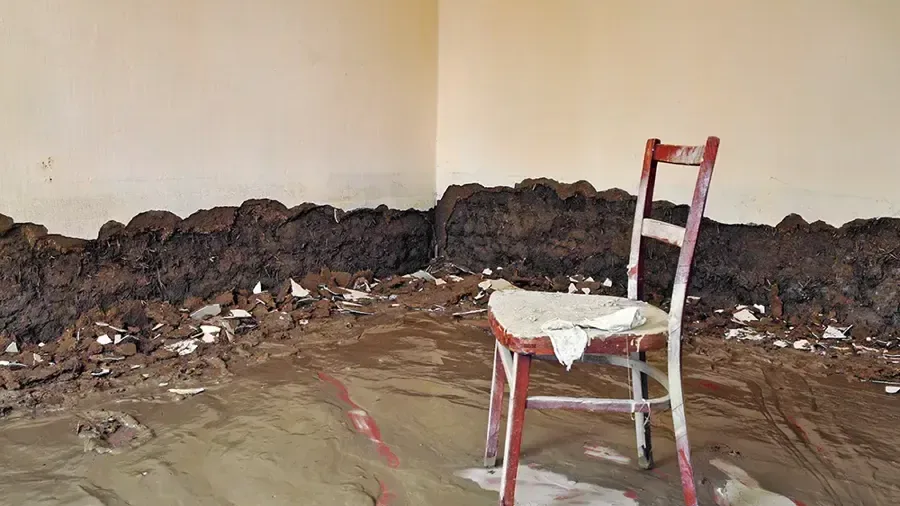
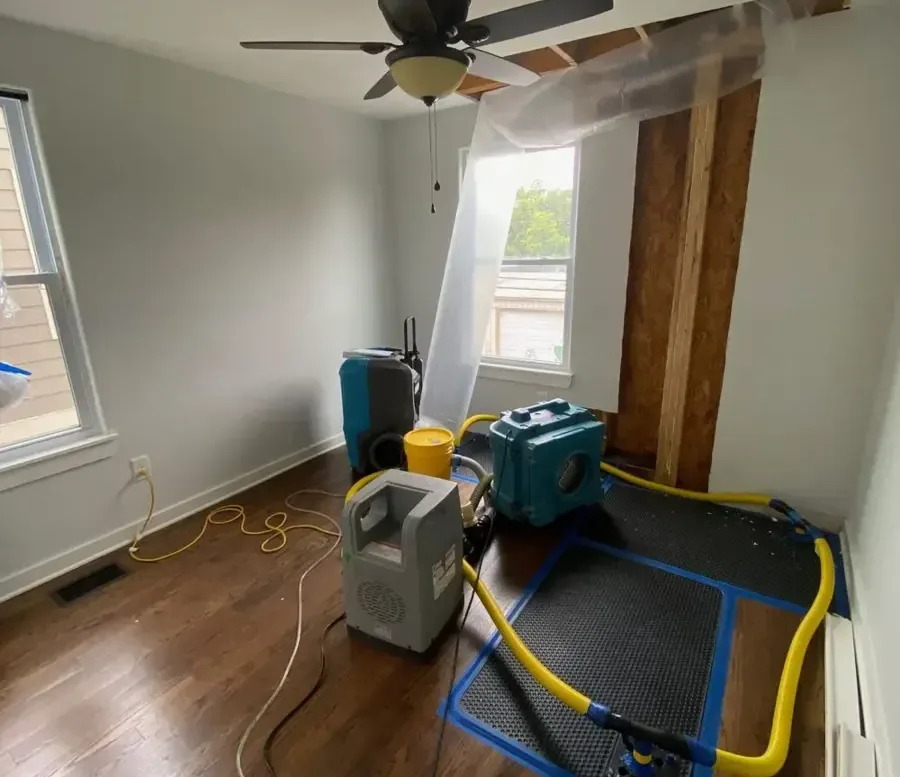
The extraction crew pumps standing water out through the access. Wet insulation and debris are bagged and removed, and a soaked vapor barrier is pulled when it traps water. LGR dehumidifiers and air movers run under the home with the vents managed so damp outside air does not undo the work. Readings are taken on the joists and subfloor daily until they reach a dry goal. Storm water and sewage under the home are Category 3, so the soil surface and framing are cleaned and treated before drying.
When the water comes back
Repeat water after storms points to grading, gutters or drainage around the foundation. The walkthrough notes where it entered so a contractor can fix the cause after the drying is done.
Crawl space water removal across Knightdale and eastern Wake County
Knightdale Water Damage Restoration covers ZIP 27545, from the railroad-era homes of Old Downtown and First Avenue to Knightdale Station, the subdivisions south of US 64 such as Parkside, Planter's Walk and Mingo Creek, and the River District along the Neuse River.
Nearby coverage reaches Raleigh, Wendell, Archer Lodge, Zebulon, Rolesville, Garner, Smithfield, Selma.
Related water damage services in Knightdale
Crawl Space Water Removal questions in Knightdale, NC
Still dealing with it?
Water under the floor? The extraction crew pumps and dries it 24/7.
(888) 578-4720Get the joists dried outHow do I know there is water in my crawl space in Knightdale?
Musty smells, soft or cupping floors, higher humidity indoors, a sump or pump running, or water visible at the access are common signs.
Does wet crawl space insulation have to come out?
Usually. Soaked batts sag, hold water against the subfloor and dry poorly. New insulation goes in after the wood reads dry.
How long does crawl space water removal and drying take in Knightdale?
Pump-out takes hours. Drying usually takes four to eight days, longer when the wood soaked for a while or the air is humid.
Is crawl space water from a storm covered by insurance?
Storm and flood water is often excluded from standard policies and may need flood coverage. A burst pipe is often covered. Check with your own insurer.
Why does my crawl space flood after heavy rain?
Gutters that dump near the foundation, grading that slopes toward the house and open vents at low spots let storm water in.
Can a wet crawl space affect the rooms above?
Yes. Moisture rises into the subfloor and flooring, and damp air from below can carry musty odor into the home.
Is a wet crawl space a mold risk?
Wet wood and insulation can start growing mold within 24 to 48 hours, which is why pump-out and drying should start early.
Flooded crawl space under a Knightdale home? Start today.
Water under a raised floor soaks insulation and joists out of sight. The extraction crew pumps it out and dries the wood.