Water Extraction in Smithfield, NC
Humid air in this part of Johnston County keeps wet floors wet. The extraction crew pulls standing water out fast, finds what is still damp inside walls and subfloor, and hands off to full drying.
(888) 578-4720Standing water? Call the pump-out crew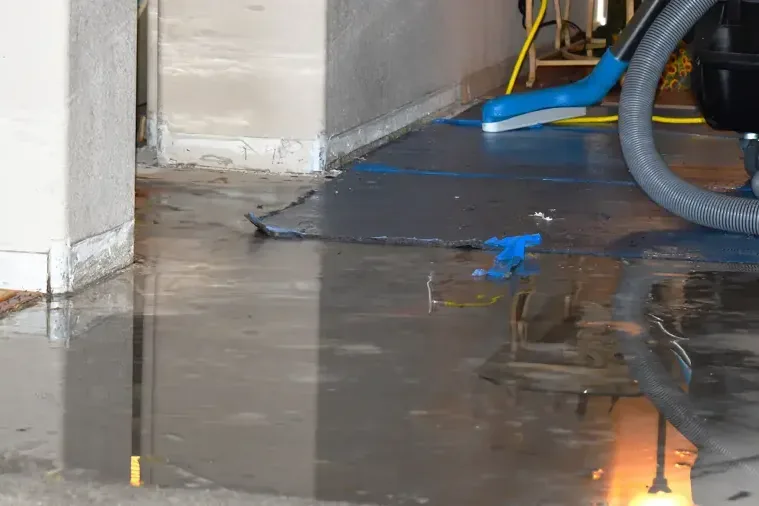
First steps for water extraction and removal in Smithfield
Stop the inflow
Shut the main valve or the appliance supply so water stops entering the room.
Stay off wet carpet
Walking spreads moisture into padding, and wet floors near outlets can be unsafe, so wait for the crew.
Lift loose items
Move small furniture, rugs and electronics onto dry surfaces before the crew starts.
Photograph the water
Capture the depth and the damaged items for the insurance file before pumping begins.
Standing water is the most urgent part of any wet loss. The longer it sits, the more it wicks into baseboards, cabinet bases and the padding under carpet. Water extraction in Smithfield starts by removing the bulk of the water, then mapping with meters whatever moisture remains before drying equipment goes in. Crews carry truck-mounted and portable units, so a garage, a kitchen or a crawl space gets the right pump.
What does water extraction and removal cost in Smithfield, NC?
Water extraction here usually costs $400 to $5,500+, depending on the number of rooms, the depth of water and whether it is clean, gray or storm water. Drying and repairs are billed apart from the removal itself.
One room, clean water
$400 to $1,500
- Pumps and wet vacuums
- Carpet lifted if needed
- Moisture mapped
Several rooms or two floors
$1,500 to $3,500
- Larger pump setup
- Padding removal
- Wall bottoms checked
Crawl space or storm water
$3,500 to $5,500+
- Submersible pumps
- Debris removal
- Sanitizing steps
Ranges are typical, not a quote: category of water, square footage, material class and how fast drying started move the number most. Run the water damage cost calculator for a closer range.
How water extraction and removal is handled in Smithfield
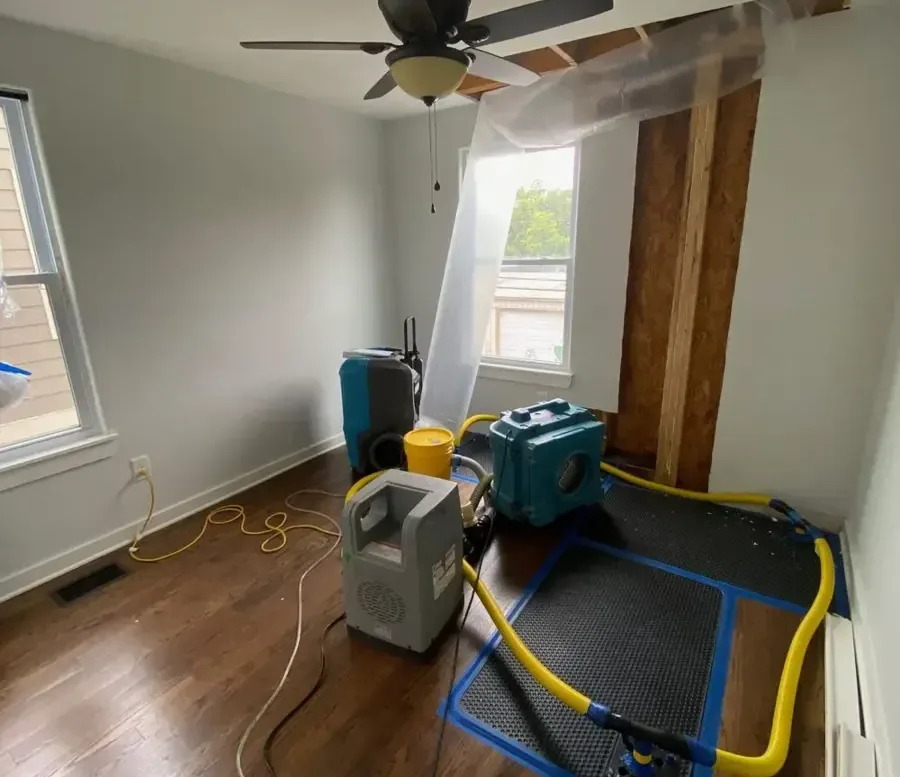
The tech who does the walkthrough maps moisture before any equipment goes down, so the drying plan matches what is actually wet. Equipment stays until the readings say dry, not until it looks dry.
- 01
Depth and spread check
The crew reads how deep and how far the water reached, then chooses pumps or vacuums.
- 02
Bulk removal
Standing water is pulled out of rooms, closets and low spots until the surface is clear.
- 03
Edge work
Wet vacuums clear baseboards, thresholds and door casings where water pools.
- 04
Moisture handoff
Meters record what is left so the drying equipment is placed in the right spots.
Where extraction fits in a wet loss
Removal comes before drying. Pumps handle deep water, wet vacuums work the edges and low spots, and squeegee tools finish tile or sealed concrete. Water that slipped into the subfloor through seams is drawn out with extraction wands before it can wick further.
- Standing water on hard floors
- Soaked carpet and padding
- Pooled water in a garage or utility room
- Water trapped under laminate or vinyl
What the extraction crew checks
After the water is out, meters and a thermal camera show how far it traveled. Wall bottoms, door casings and cabinet toe kicks often hold moisture the floor no longer shows. Those readings decide which materials dry in place and which are cut out. Photos of each reading go into the job record, which later supports the claim.
After the water is gone
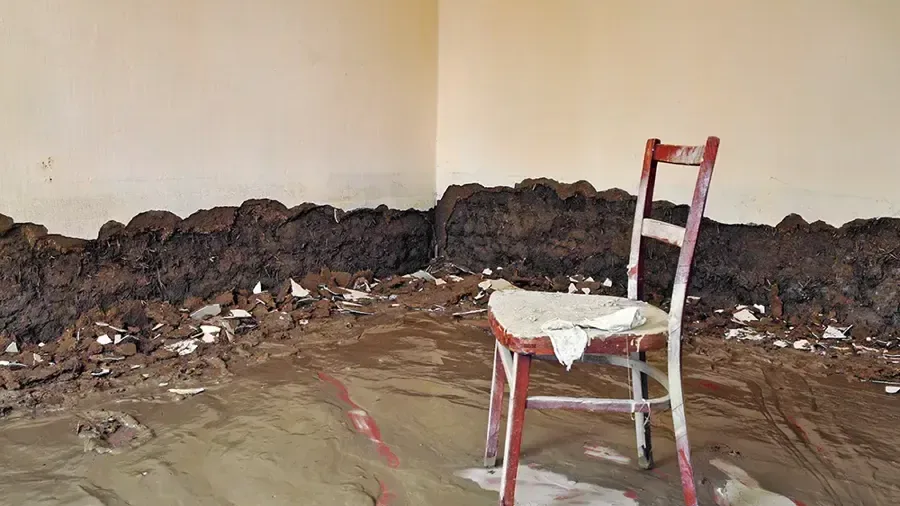
Extraction is not the finish. The drying team sets air movers and dehumidifiers, and structural drying continues until readings reach dry targets. Storm and river water follows a stricter path, covered under storm and flash flood cleanup. If the loss came from the Neuse River or storm runoff, protective gear and disposal of porous materials come first.
Water extraction and removal across Smithfield and nearby communities
Extraction work covers homes on both sides of the Neuse River, from West Smithfield to the downtown blocks on Market Street, plus busy shops and offices near the Interstate 95 exits and the Johnston Health campus.
The same service nearby: water extraction and removal in Knightdale, Selma, Archer Lodge.
Related water damage services in Smithfield
Water Extraction and Removal questions in Smithfield, NC
Still dealing with it?
Standing water in the house? The extraction crew works 24/7 across town.
(888) 578-4720Clear the standing waterHow is extraction different from drying?
Extraction removes liquid water. Drying pulls moisture out of the materials afterward. Both are needed, and skipping extraction makes drying take much longer.
Can the carpet be saved after extraction?
Clean-water carpet and padding caught early can often be dried in place. Sewage or river water changes that, and those materials are removed.
Does extraction work on a wet crawl space?
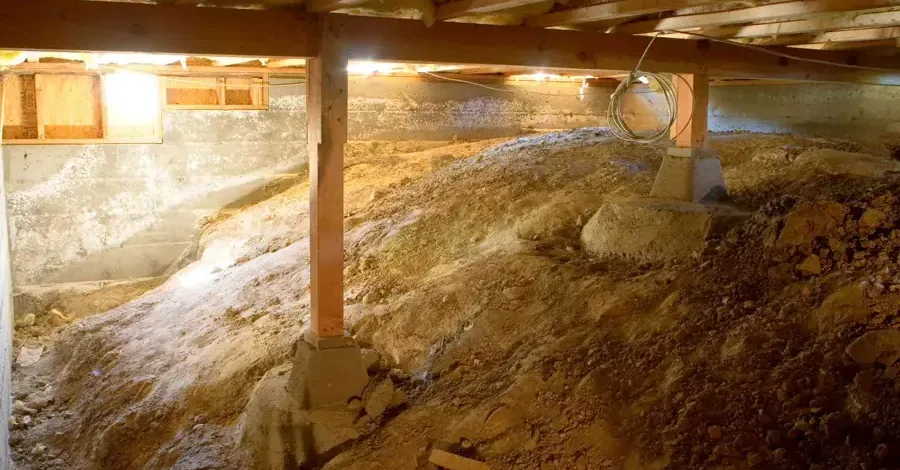
Yes. Submersible pumps handle standing water under the floor, and damp soil and framing are dried afterward.
What if the water came from a sewage backup?
Contaminated water needs protective gear, disposal of porous materials and sanitizing, so it follows the sewage process rather than a standard pump-out.
Should the power be turned off?
If water reached outlets or the panel, stay out and have the power shut off by a professional. Never stand in water near live electrical equipment.
Will the floors need to be torn out?
Not always, and testing decides. Hardwood and tile sometimes dry in place with mats, while swollen laminate and soaked padding are usually removed.
What should be saved for the claim?
Photos of the water, receipts for emergency steps and the extraction report all help support the insurance claim.
Wet padding and drywall get worse the longer water sits.
Pumps, wet vacuums and moisture meters come together in one visit, so removal and the drying plan start on the same job.