Water Extraction and Removal in Knightdale, NC
Every hour standing water sits, it climbs into drywall, pad and subfloor. The extraction crew pulls it out with truck-mounted and portable units, then maps what is still wet so drying starts on the right materials.
(888) 578-4720Standing water? Pull it out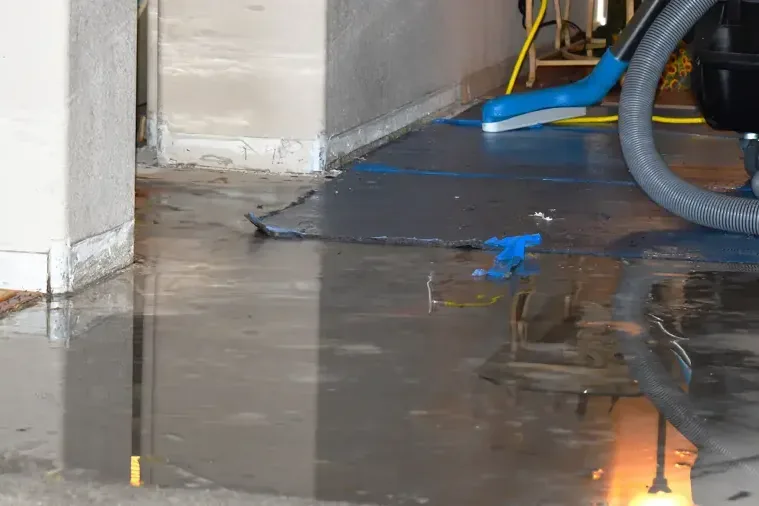
First steps for water extraction and removal in Knightdale
Stop the source
Close the main shutoff or the valve at the fixture so no new water enters the home.
Kill power to wet rooms
Switch off breakers for wet areas if the panel is dry, and keep cords out of the water.
Lift what you can
Move rugs, electronics and furniture with wood legs off the wet floor, and set foil under legs.
Skip the shop vac
A household vacuum is not built for this water; leave extraction to truck-mounted equipment.
Extraction is the first and cheapest step in any water loss: a gallon pulled out with a wand is a gallon the dehumidifiers never have to evaporate. Calls come from every part of town, from the older homes off First Avenue and Main Street to the newer homes in Knightdale Station and the subdivisions south of US 64 like Parkside and Planter's Walk, where an upstairs supply leak can soak carpet on two floors.
What does water extraction and removal cost in Knightdale, NC?
Water extraction and removal in Knightdale typically runs $400 to $5,500, depending on how much floor is wet, whether carpet and pad hold the water, whether a crawl space needs a pump-out and how long the water sat before extraction began.
One room, clean water
$400 to $1,500
- Truck-mounted pump-out
- Carpet and pad extraction
- Moisture check
Several rooms or two floors
$1,500 to $3,500
- Upstairs and downstairs
- Pad removal where soaked
- Moisture map
Crawl space or storm water
$3,500 to $5,500+
- Pump-out under the floor
- Contaminated water handling
- Debris removal
Ranges are typical, not a quote: category of water, square footage, material class and how fast drying started move the number most. Run the water damage cost calculator for a closer range.
How water extraction and removal is handled in Knightdale
The tech who does the walkthrough maps moisture before any equipment goes down, so the drying plan matches what is actually wet. Equipment stays until the readings say dry, not until it looks dry.
- 01
Assess
The source is stopped and the water category set before any hose goes down.
- 02
Extract
Truck-mounted units pull standing water, then wands go over carpet and pad.
- 03
Map
Meters and thermal imaging show what is still wet after the pump-out.
- 04
Set drying
Air movers and LGR dehumidifiers go where the map says, sized to the class.
What extraction pulls out
- Standing water on hard floors, tile and concrete
- Water held in carpet and pad, pulled with weighted extraction wands
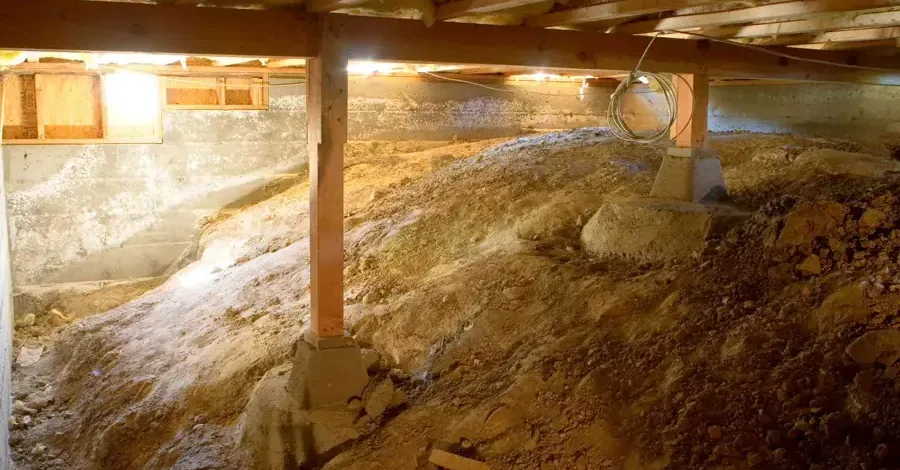
- Water pooled in a crawl space, pumped out before the joists soak it up
- Water trapped under cabinets, toe kicks and baseboards
After a heavy summer storm, water that came in from outside is treated as contaminated. The Ready.gov flood safety guidance covers what to do before anyone walks through it.
Truck-mounted or portable
Truck-mounted units sit outside and run long hoses in, so they pull far more water per pass and keep the noise and exhaust out of the home. Portable extractors go where hoses cannot reach, such as an upstairs bath or a crawl space hatch. Most jobs use both, and the extraction crew keeps going until the wand pulls almost nothing back.
What happens after the water is out
Extraction removes the free water; drying removes what soaked in. The tech who does the walkthrough maps moisture with meters and thermal imaging, then sets air movers and LGR dehumidifiers for structural drying. Pad usually comes out when it is soaked, and carpet is often saved when the water was clean and the response was fast. The EPA WaterSense program explains how to spot the hidden household leaks that cause many of these calls.
Water extraction and removal across Knightdale and eastern Wake County
Knightdale Water Damage Restoration covers ZIP 27545, from the railroad-era homes of Old Downtown and First Avenue to Knightdale Station, the subdivisions south of US 64 such as Parkside, Planter's Walk and Mingo Creek, and the River District along the Neuse River.
Nearby coverage reaches Raleigh, Wendell, Archer Lodge, Zebulon, Rolesville, Garner, Smithfield, Selma.
Related water damage services in Knightdale
Water Extraction and Removal questions in Knightdale, NC
Still dealing with it?
Water still standing on the floor? The extraction crew pumps it out 24/7.
(888) 578-4720Bring a truck-mounted extractorHow fast should water extraction start in Knightdale?
As soon as possible. Water spreads under baseboards and into pad and drywall within hours, and extraction is far cheaper than drying what already soaked in.
Can my carpet be saved after water extraction?
Often, when the water was clean and extraction started fast. Pad usually comes out once soaked, and carpet touched by sewage or storm water is removed.
Why not just use a wet vac for the water?
A shop vacuum pulls a small amount per pass and cannot draw water out of pad. Truck-mounted extraction pulls far more and leaves less for drying.
Is water extraction the same as drying?
No. Extraction removes free water; drying pulls moisture out of framing, subfloor and drywall with air movers and dehumidifiers over several days.
What happens to water extraction in a crawl space?
The extraction crew pumps out the pooled water through the access, pulls wet insulation and sets drying equipment under the floor.
Does insurance pay for water extraction in Knightdale?
Emergency extraction after sudden water is usually part of a covered claim when the cause is covered. Coverage depends on your policy, so check with your own insurer.
How long do the extraction crews stay after the water is out?
The pump-out itself takes hours. Drying equipment then stays until daily readings show materials are dry, often three to five days for a contained loss.
Standing water in Knightdale? Get it out before it soaks in.
Every hour the water sits it climbs into pad, drywall and subfloor. The extraction crew pulls it out and maps what is left.