Slab Leak Water Damage in Smithfield, NC
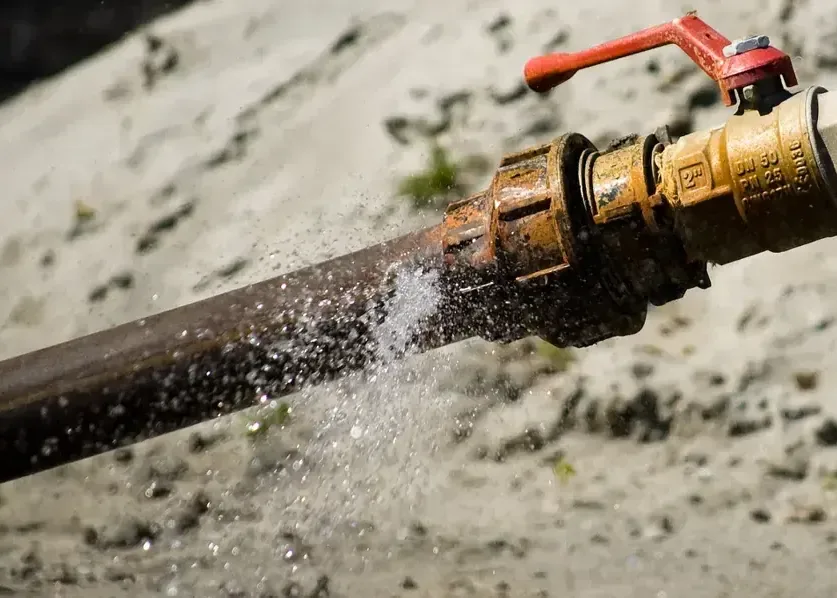
A warm patch on the floor, a water meter that keeps turning or damp flooring with no visible source can all point to water beneath the concrete. Detection comes first, and drying follows once the leak is located.
(888) 578-4720Warm floor spot? Call the team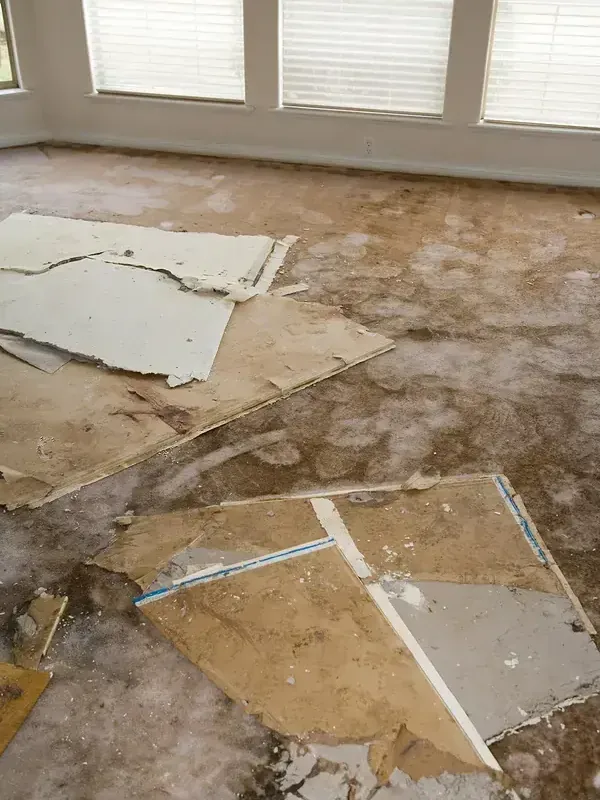
First steps for slab leak water damage in Smithfield
Watch the meter
Turn every fixture off and see whether the leak dial on the water meter still moves.
Close the main
Shut the main valve if the dial keeps spinning with nothing running.
Switch off the heater
A hot-side leak means turning off the water heater supply and its power or gas.
Photograph the floor
Record warm spots, damp carpet and lifted tile before anything is pulled up.
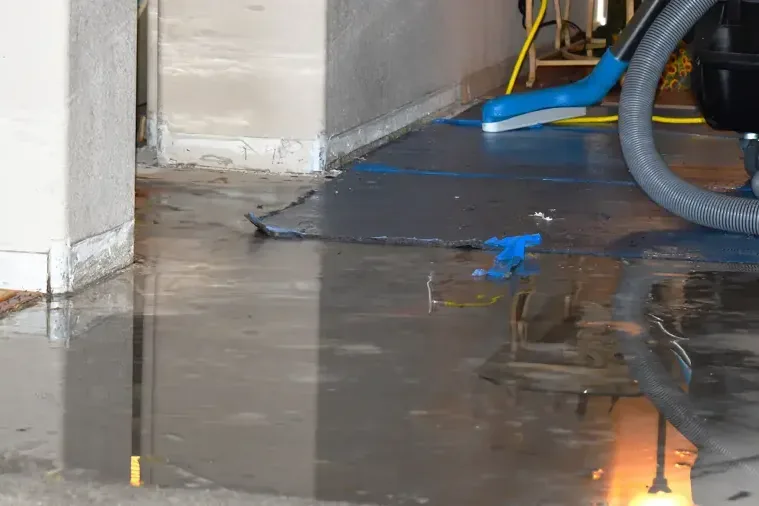
A slab leak is a supply pipe failing inside or beneath the concrete floor. The water is hard to see, so it can wick into flooring, cabinet bases and the bottoms of walls for a long stretch. With about a third of local households a single resident, a leak like this can run unnoticed. Concrete holds moisture for a long time, so the sooner the source is found, the less drying the slab needs. Flooring type matters too, because tile, laminate and carpet each react differently to water from below.
What does slab leak water damage cost in Smithfield, NC?
Slab leak damage cleanup here usually costs $2,400 to $14,500+, shaped by how many rooms the water reached, the flooring type and how long the leak ran. Pipe repair and rerouting are billed by the plumber.
One room, caught early
$2,400 to $5,000
- Flooring up in one room
- Baseboards removed
- Dehumidifier running
Kitchen and next rooms
$5,000 to $9,000
- Cabinet bases opened
- Lower walls dried
- Containment set
Long-running leak
$9,000 to $14,500+
- Flooring across rooms
- Desiccant units
- Longer monitoring
Ranges are typical, not a quote: category of water, square footage, material class and how fast drying started move the number most. Run the water damage cost calculator for a closer range.
How slab leak water damage is handled in Smithfield
The tech who does the walkthrough maps moisture before any equipment goes down, so the drying plan matches what is actually wet. Equipment stays until the readings say dry, not until it looks dry.
- 01
Confirm the leak
Meters and detection tools show where water is escaping.
- 02
Open the floor
Wet flooring and padding are removed over the affected area.
- 03
Dry the slab
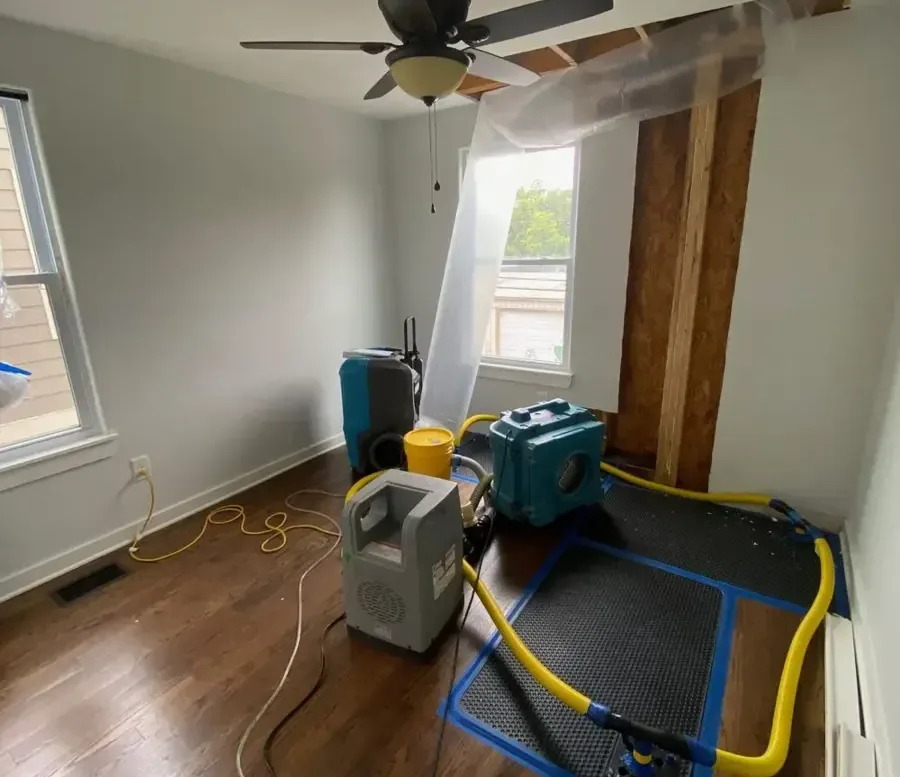
Dehumidifiers and mats pull moisture from the concrete.
- 04
Verify readings
The slab and wall bottoms must reach dry numbers before new flooring.
Clues that water is under the slab
- A warm or hot spot on the floor
- A meter dial that moves with every fixture off
- Damp carpet or lifting laminate
- A musty smell near baseboards
Any one of these is worth a call. Together they almost always mean a pressurized pipe is leaking below the surface.
Locate first, then dry
Tearing up a floor without knowing where the leak is wastes effort and money. Electronic detection narrows the spot, a plumber repairs or reroutes the pipe, and the drying team removes the wet flooring and runs dehumidifiers and mats on the slab. Once readings fall, the cabinet bases and baseboards are checked a last time before anyone installs new flooring.
What gets checked around the slab
Water moves sideways through baseboards and into cabinets. Meters check wall bottoms, toe kicks and neighboring rooms, so moisture left behind does not cause trouble after the floor goes back. Documentation of those readings supports the claim, and related background is under structural drying.
Slab leak water damage across Smithfield and nearby communities
Slab leak work covers homes throughout Smithfield, from the neighborhoods along Market Street and West Smithfield to the newer areas by U.S. Highway 301, wherever the floor is concrete, in homes and in small commercial spaces.
The same service nearby: slab leak water damage in Knightdale, Selma, Archer Lodge.
Related water damage services in Smithfield
Slab Leak Water Damage questions in Smithfield, NC
Still dealing with it?
Floor feeling warm or damp for no reason? The drying team can trace it.
(888) 578-4720Find the leak under the floorIs a slab leak an emergency?
Yes. Water under the floor keeps spreading and can damage flooring, cabinets and the foundation edge, so it should be addressed as soon as it is suspected.
Who repairs the pipe?
A plumber repairs or reroutes the failed pipe. The drying team handles the wet flooring and slab, and coordinates the order of work.
Can the flooring stay in place?
Sometimes tile can stay while the slab is dried through mats. Carpet, laminate and wood usually come up so the slab can breathe.
Will insurance cover a slab leak?
Coverage depends on the policy and the cause. Some policies cover the resulting water damage but not the pipe itself, so ask the insurer early.
How long does the slab take to dry?
Concrete holds moisture, so drying often runs longer than for other materials. Readings, not guesses, decide when it is done.
How can I tell it is not a plumbing fixture leak?
If the meter still turns with every fixture off and a spot on the floor feels warm, the supply is probably leaking below the surface.
Water below the concrete spreads into flooring and cabinets.
The team confirms the leak, removes wet flooring and dries the slab, cabinet bases and wall bottoms with dehumidifiers and mats.