Water Extraction in Selma, NC
Water sitting on a floor soaks into drywall, cabinets, flooring and subfloor fast. The extraction crew shuts off the source, pumps out standing water and starts drying before the damage spreads further.
(888) 578-4720Standing water inside? Call now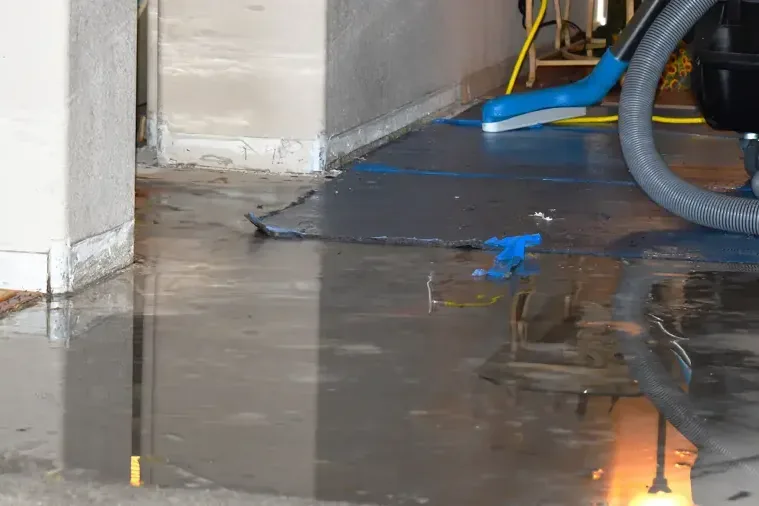
First steps for water extraction and removal in Selma
Find the source
Check whether a pipe, appliance, roof or storm is feeding the water and stop it before pumping begins.
Pump the floor
Submersible pumps and wet vacuums clear standing water from the slab, crawl space or finished rooms.
Lift what is soaked
Wet padding, baseboards and low drywall come out so water trapped behind them can drain and dry.
Check with meters
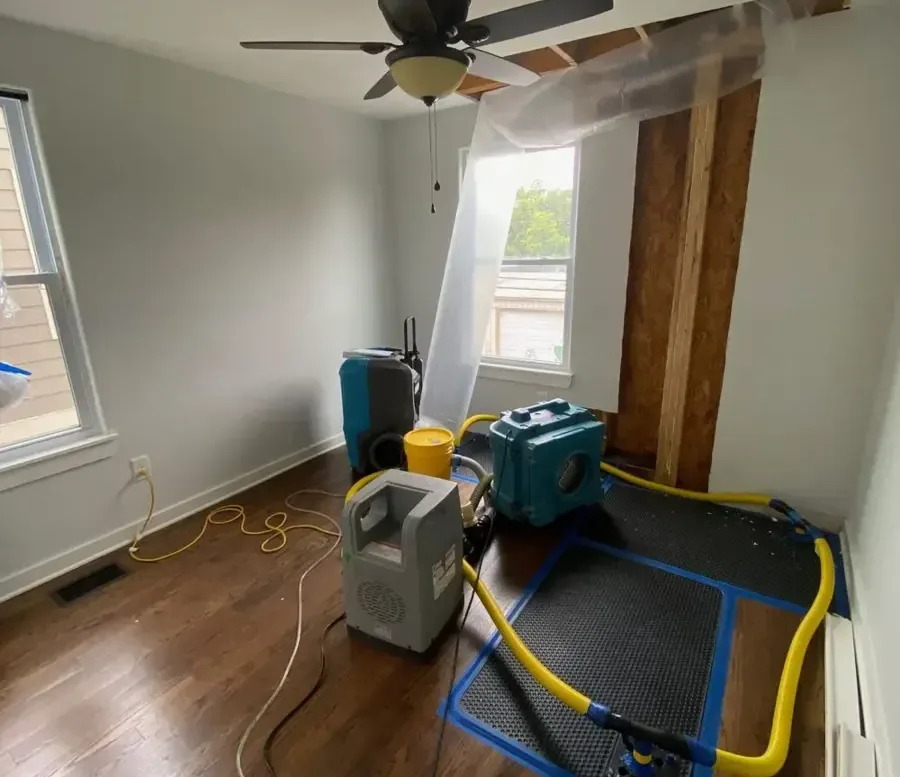
Readings show what is still wet, and drying equipment is set by that map rather than by sight.
Water and sewer here come from the Town of Selma, so most extraction jobs begin the same way: confirm the source is off, then remove what is standing. Homes sit on slabs or over crawl spaces, and the floor type decides which pumps go to work. The less time water has, the less reaches the walls. The main extraction page covers the wider service.
What does water extraction and removal cost in Selma, NC?
Extraction cost follows the depth of water, how many rooms it reached and whether it came from a clean supply pipe or from a storm. Clean water in one room sits at the bottom of the scale.
One room, clean water
$400 to $1,500
- Pump and wet vac
- Baseboards removed
- Air movers set
Several rooms or two floors
$1,500 to $3,500
- Extractor passes
- Wet padding removed
- Dehumidifier running
Crawl space or storm water
$3,500 to $5,500+
- Submersible pumps
- Debris hauled out
- Disinfecting wipe down
Ranges are typical, not a quote: category of water, square footage, material class and how fast drying started move the number most. Run the water damage cost calculator for a closer range.
How water extraction and removal is handled in Selma
The tech who does the walkthrough maps moisture before any equipment goes down, so the drying plan matches what is actually wet. Equipment stays until the readings say dry, not until it looks dry.
- 01
Source check
The crew confirms the water has stopped feeding the area before any pump is started.
- 02
Water removal
Pumps and extractors clear what is standing on the floor, working from the deepest point outward.
- 03
Gap opening
Baseboards and wet pad are lifted to release water trapped along the walls.
- 04
Dry check
Meters confirm what still needs equipment, and the drying plan is set from them.
How the water comes out
- Submersible pumps for deep or wide water
- Wet vacuums for edges, closets and thresholds
- Extraction wands for carpet and pad that can be saved
- Hand tools to open baseboards and release trapped water
Pooled water is only part of the job, because the pad, the subfloor and the bottom of the wall are still wet afterward.
Slab or crawl space
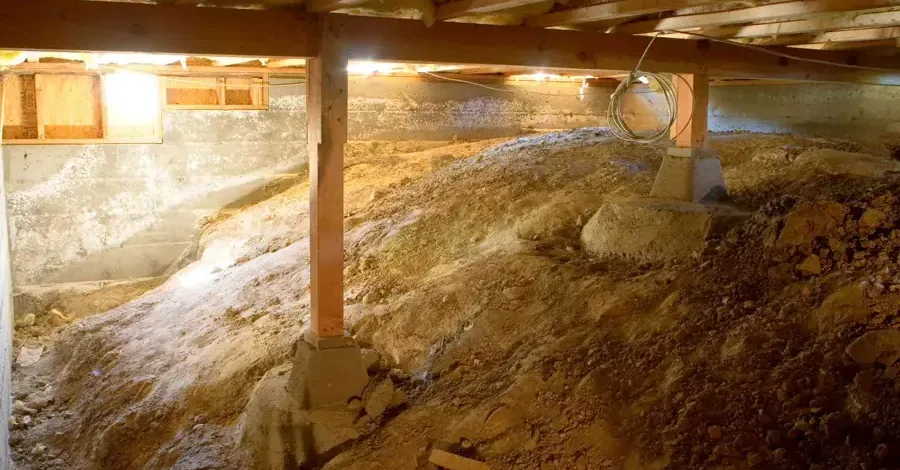
On a slab, water spreads thin across the whole floor and wicks into flooring layers. Over a crawl space, it can drain below and collect under the framing. The crew confirms which one a house has before choosing equipment, and a wet crawl space moves on to the crawl space page.
After the pump out
Once the floor is clear, moisture meters map what is still wet and drying equipment goes in. Skipping that step is how a dry looking room turns musty a week later. The structural drying page explains the next stage.
Water from different sources
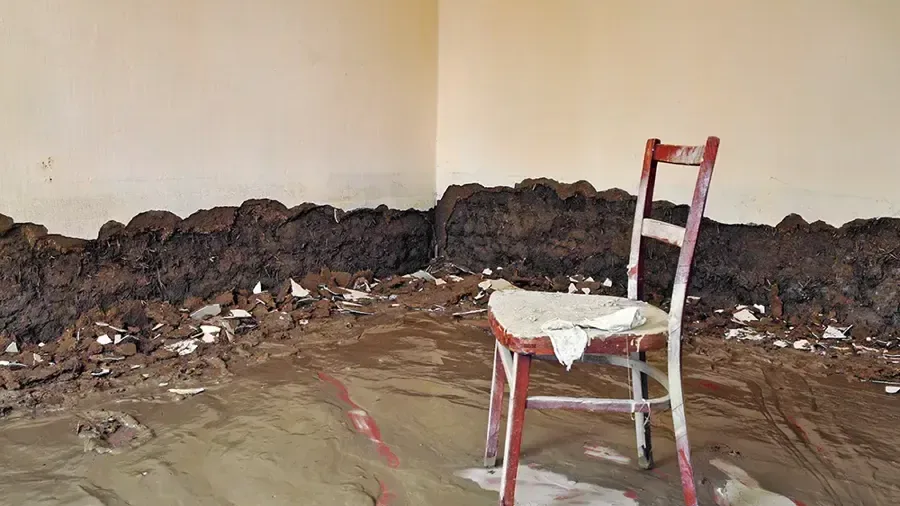
Clean supply water, gray appliance water and flood or sewage water are all pumped, but they are handled differently afterward. The category decides whether carpet stays, whether low drywall comes out and how the area is treated. Telling them apart early saves materials and money.
A downtown shop with stock on the floor follows the commercial approach, with inventory lifted before the pumps start.
Water extraction and removal across Selma and nearby communities
Extraction crews work across Selma, from slab homes in Cross Creek and other newer subdivisions to older storefronts on downtown streets, wherever a leak or a storm has left standing water indoors. The same pumps and meters go to a downtown storefront or a house on a quiet street.
The same service nearby: water extraction and removal in Knightdale, Smithfield, Archer Lodge.
Related water damage services in Selma
Water Extraction and Removal questions in Selma, NC
Still dealing with it?
Standing water in your Selma home or shop? The extraction crew is ready.
(888) 578-4720Get the floor cleared of waterHow soon does standing water need to come out?
As early as possible. Water that sits for a day or more soaks into drywall, cabinet bases and subfloor, which turns a simple pump out into a tear out.
Is a wet vacuum enough for a flooded room?
Only for small spills. Deeper or wider water needs pumps or an extractor, since carpet pad and subfloor hold water a vacuum never reaches.
Does the foundation type change the work?
Yes. Slab floors spread water thin and hold it in flooring layers, while crawl space homes can collect it under the framing. The type is confirmed on site.
Can carpet be saved after extraction?
Often, when the water was clean and the carpet was lifted early. Gray or black water usually means the carpet and pad go out.
What gets removed during extraction?
Standing water first, then soaked padding, baseboards and the lowest strip of drywall when moisture readings show water has wicked up the wall.
Does extraction finish the job?
No. It is the first stage, and drying equipment must follow or leftover moisture stays in the structure.
What should be moved before the crew gets there?
Small furniture, rugs, electronics and papers, as long as the water is clean and the power to wet areas is off.
Water on the floor and spreading?
Every hour water sits, it works further into drywall and subfloor. The extraction crew removes it and sets up the drying that follows.