Structural Drying in Selma, NC
Structural drying covers slab and crawl space homes and older masonry storefronts downtown. The drying team uses moisture readings rather than guesses to decide when materials are dry.
(888) 578-4720Wet structure? Call the drying team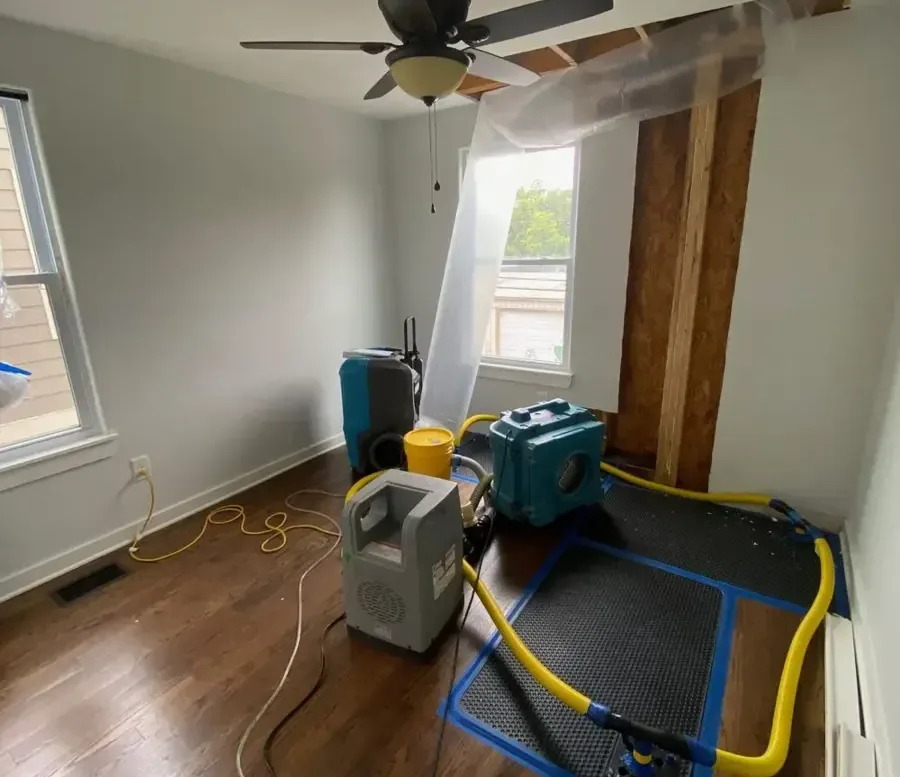
First steps for structural drying and dehumidification in Selma
Survey the loss
Meters and thermal images map every wet surface and record the water class.
Set the equipment
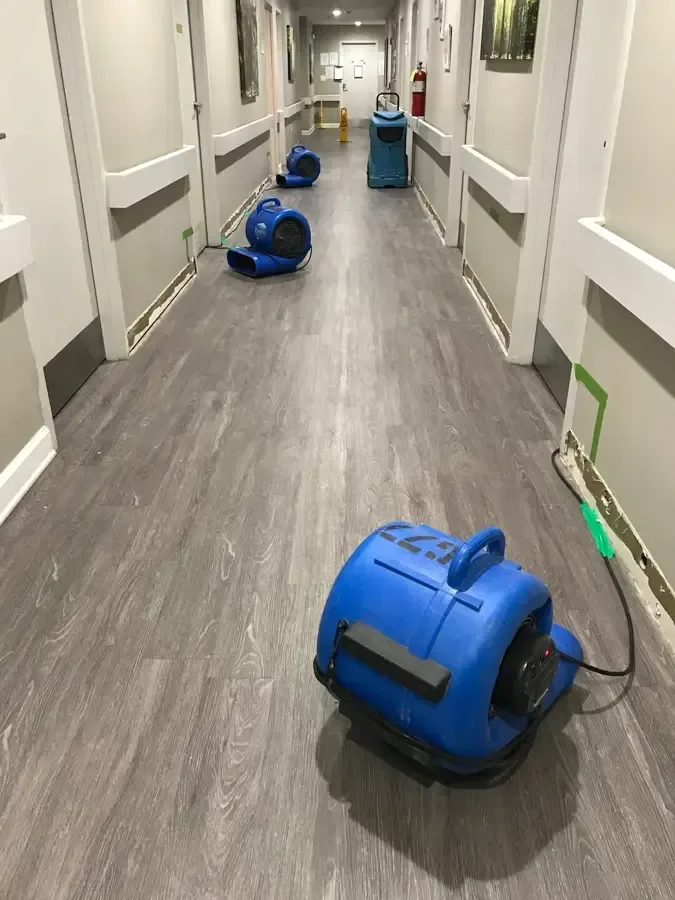
Dehumidifiers and air movers go in a pattern sized to the room.
Track the readings
Each visit logs moisture in the same spots as areas dry.
Release the room
Equipment comes out only after materials sit in the normal range.
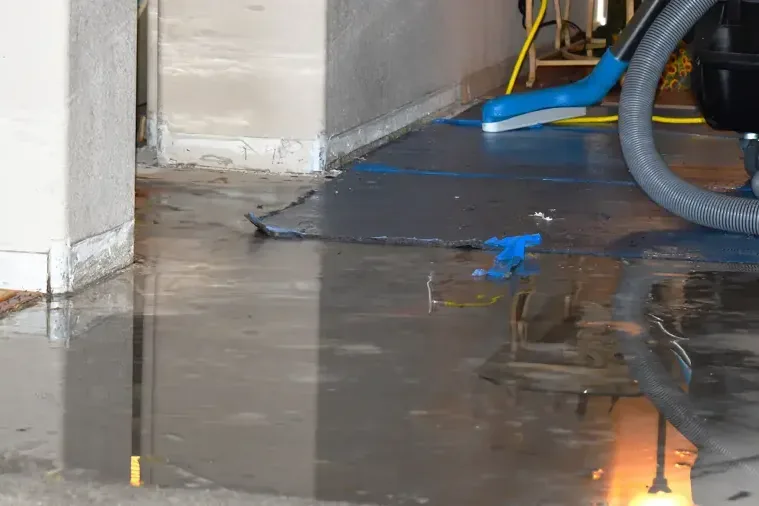
Pumping removes the water that can be seen. Drying removes the water that cannot, the moisture sitting in framing, subfloor, concrete and brick. Homes and storefronts here include slabs, crawl space floors and older masonry downtown, and each holds water differently. The structural drying overview covers the wider process.
What does structural drying and dehumidification cost in Selma, NC?
Drying cost follows how many rooms and what materials are wet. One or two rooms is the lowest tier, hardwood or several rooms costs more, and a Class 4 or whole floor job costs the most. Dense materials such as hardwood and plaster take more equipment time.
One or two rooms
$1,200 to $3,500
- Air movers
- Dehumidifier
- Daily readings
Hardwood or several rooms
$3,500 to $7,000
- Drying mats
- More equipment
- Wall checks
Class 4 or whole floor
$7,000 to $10,000+
- Specialty drying
- Extended runtime
- Final dry tests
Ranges are typical, not a quote: category of water, square footage, material class and how fast drying started move the number most. Run the water damage cost calculator for a closer range.
How structural drying and dehumidification is handled in Selma
The tech who does the walkthrough maps moisture before any equipment goes down, so the drying plan matches what is actually wet. Equipment stays until the readings say dry, not until it looks dry.
- 01
Survey
Meters and thermal images map the wet zone and set the drying goals.
- 02
Placement
Dehumidifiers and air movers go where air can move across wet surfaces.
- 03
Monitoring
Readings are logged on each visit and equipment is shifted as needed.
- 04
Release
Equipment comes out once every material reads dry.
What the equipment does
- Air movers push dry air across wet surfaces
- Dehumidifiers pull vapor out of the air
- Drying mats draw water out of hardwood
- Injection ports dry wall cavities without opening them
Equipment is sized and placed by room, and moved as readings change.
Why readings matter
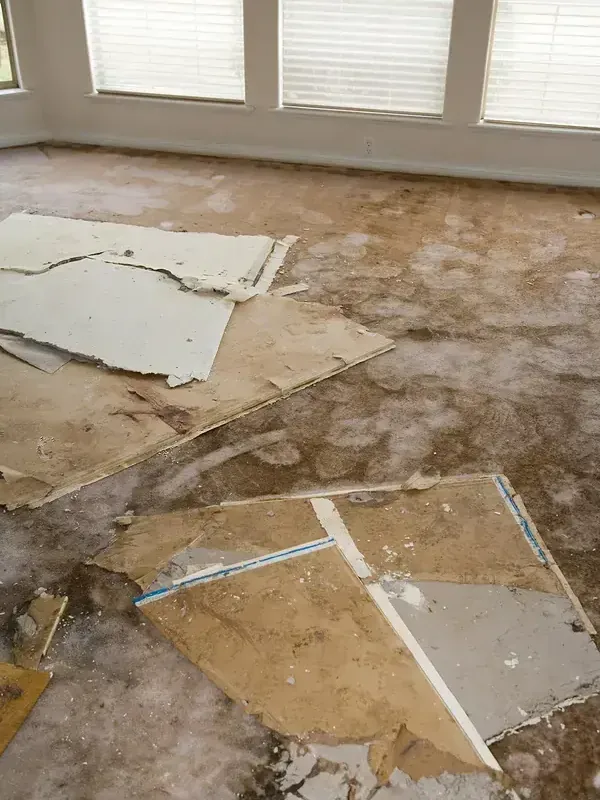
A floor that feels dry can still be wet inside. Meters give a number, and the target is the normal range for that material. Without that check, hidden water leads to cupping floors and musty rooms. Water removal that comes first is on the extraction page.
Daily visits
The crew returns each day to log readings, shift air movers and remove equipment as areas pass. That log helps the adjuster see progress. Related causes appear on the hub page.
Slab, crawl space and masonry
Slab floors dry from the surface down, crawl space framing dries from below and old brick takes longest because it is dense. Each foundation or wall type gets its own equipment mix and its own target reading.
- Concrete uses low grain dehumidifiers
- Hardwood uses drying mats
- Plaster and brick need extended runtime
- Wall cavities can be dried by injection
The slab leak work is one case where concrete drying drives the schedule.
Equipment that runs longer than needed only adds noise and power use, so it comes out as soon as readings allow.
Structural drying and dehumidification across Selma and nearby communities
Structural drying serves slab homes, crawl space homes and older masonry storefronts across Selma, with readings used to confirm when each material is dry. Slab floors, crawl space framing and old masonry walls each get a plan suited to how they hold water.
The same service nearby: structural drying and dehumidification in Knightdale, Smithfield, Archer Lodge.
Related water damage services in Selma
Structural Drying and Dehumidification questions in Selma, NC
Still dealing with it?
Wet floors or walls in Selma? The drying team can measure and dry them.
(888) 578-4720Start a measured dry outHow long does structural drying take?
Usually several days, and the readings decide. Dense materials such as hardwood and concrete take longer. Dense materials add more time.
Why are so many fans needed?
Air movement lifts moisture off surfaces, and dehumidifiers remove it from the air. Both are needed together.
Can hardwood floors be saved?
Often, if drying starts early and mats draw the water out. Floors that have cupped or buckled may still need replacement. Cupping that has already set in may not reverse.
Is the equipment loud?
It is noticeable, but it runs only as long as the readings require.
What is Class 4 drying?
It covers materials that hold water deeply, such as hardwood, plaster and concrete, and it needs specialized equipment. Deep moisture needs patient drying.
Who decides when the job is done?
The meter readings. When materials return to their normal range, equipment is removed.
Why does the equipment run for days?
Water leaves materials slowly, and rushing it leaves moisture behind. Running the equipment until readings are normal prevents later swelling and musty smells.
Surface looks dry but feels damp?
Water left inside framing and flooring causes lasting problems. The drying team measures it and removes it with controlled equipment.