Storm and Flash Flood Cleanup in Zebulon, NC
Heavy rain can push water under doors and through garages. The extraction crew clears mud and standing water, removes soaked materials and dries the structure in Zebulon homes after a storm or flash flood.
(888) 578-4720Storm water inside? Call now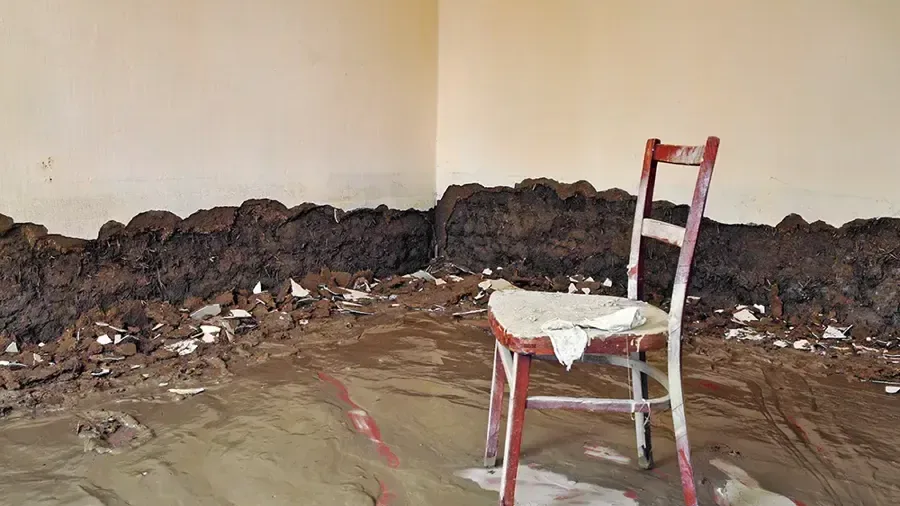
First steps for storm and flash flood cleanup in Zebulon
Avoid the water
Stay out of floodwater, which can carry contamination and hidden electrical hazards.
Turn off the power
Shut breakers for flooded areas, but only if the panel can be reached safely.
Photograph the damage
Capture high-water marks, soaked contents and every place water came in.
Move valuables up
Lift documents, photographs and electronics to higher, dry surfaces right away. Keep them there.
Storm water arrives with soil, debris and whatever it crossed on the way in, so it is treated as contaminated. Zebulon has a hot, humid climate where July and August are the rainiest months, and the town sits between the Little River and Moccasin Creek. In July 2026, back-to-back storm nights brought flash flood warnings to central North Carolina. The extraction crew removes standing water and silt first, then decides what can be saved and what must be torn out.
What does storm and flash flood cleanup cost in Zebulon, NC?
Storm and flood cleanup commonly runs $3,500 to $26,000+, depending on the depth of the water, how many rooms it reached, whether the crawl space was involved, and how much mud and debris came inside.
Garage or one room
$3,500 to $7,500
- Water and mud extraction
- Debris removal
- Sanitizer applied
Several rooms
$7,500 to $15,000
- Lower walls cut out
- Flooring removed
- Multi-day drying
Whole floor and crawl space
$15,000 to $26,000+
- Heavy tear-out
- Crawl space pumping
- Full documentation
Ranges are typical, not a quote: category of water, square footage, material class and how fast drying started move the number most. Run the water damage cost calculator for a closer range.
How storm and flash flood cleanup is handled in Zebulon
The tech who does the walkthrough maps moisture before any equipment goes down, so the drying plan matches what is actually wet. Equipment stays until the readings say dry, not until it looks dry.
- 01
Assess the water
Depth, source and contamination level are noted.
- 02
Extract and clear
Water, mud and debris are removed in bulk.
- 03
Tear out and sanitize
Soaked porous materials are removed and surfaces treated.
- 04
Dry and verify
Equipment runs until readings reach dry targets.
Where storm water usually enters
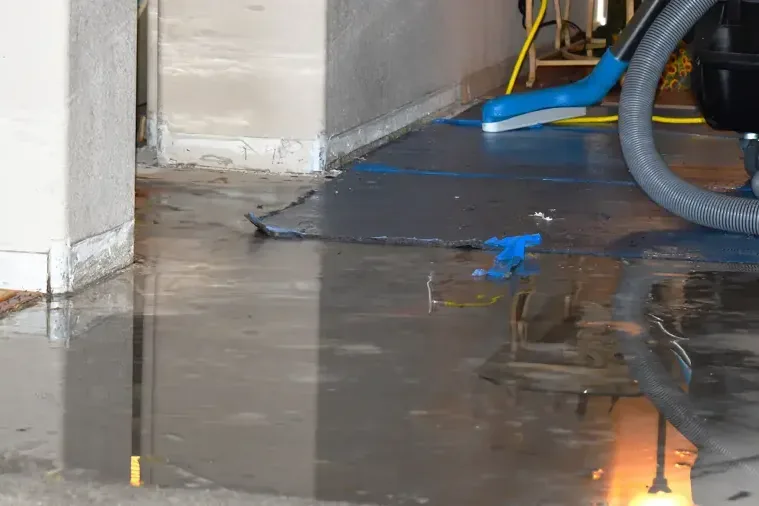
- Garage doors and thresholds at ground level
- Lower rooms and finished spaces near the foundation
- Window wells and cracked walls after heavy rain
- Crawl space vents and utility penetrations
Not every storm loss is a flood, since a roof leak can soak ceilings and attics while the ground outside stays dry.
Cleanup after contaminated water
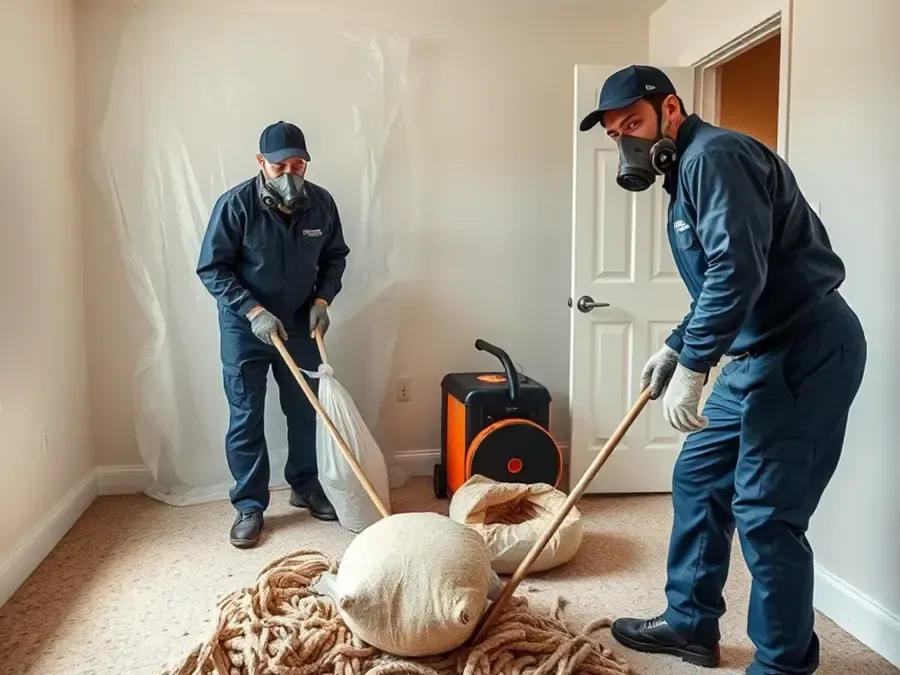
Sorting salvage from waste is the first judgment call, and moisture readings back it up. After extraction, porous materials such as carpet, padding and lower drywall are usually removed because they cannot be reliably cleaned. Hard surfaces are scrubbed and sanitized. The drying team then places air movers and dehumidifiers, and readings track each wet material until it returns to normal moisture levels.
Flood information and claims
Wake County regulates FEMA flood zones, and owners can look up property flood information on NC FRIS. Flood coverage often differs from standard homeowner coverage, so photos and records matter. Surging drains are handled as sewage backup cleanup, with the same contamination steps.
Storm and flash flood cleanup across Zebulon and nearby communities
Storm work covers garages and lower rooms across town, from low spots near the Little River and Moccasin Creek to the older downtown and newer streets like Weavers Pond, whenever heavy rain finds a way indoors.
The same service nearby: storm and flash flood cleanup in Knightdale, Wendell, Archer Lodge.
Related water damage services in Zebulon
Storm and Flash Flood Cleanup questions in Zebulon, NC
Still dealing with it?
Storm water in the house? The extraction crew works 24/7.
(888) 578-4720Get the flood cleaned outIs floodwater different from a leak?
Yes. It carries soil and contaminants from outdoors, so it requires removal of porous materials and sanitizing rather than drying alone. Protective gear is standard on these jobs.
Can furniture be saved after a flood?
Solid wood and sealed items can often be cleaned. Upholstered pieces and particleboard usually cannot be restored after contaminated water. Photos help decide what stays.
Does homeowners insurance cover flooding?
Standard policies often exclude rising floodwater, which falls under separate flood coverage. Wind-driven rain through a damaged roof is treated differently. Ask the carrier which coverage applies.
How do I check a property's flood information?
Wake County regulates flood hazard areas, and property owners can look up flood information on NC FRIS before or after a loss. Lenders sometimes ask for it.
How soon should cleanup begin?
Right away, because wet materials degrade quickly in humid weather and delays raise the chance of lasting damage and spreading moisture. Standing water also draws pests.
What about the crawl space after a storm?
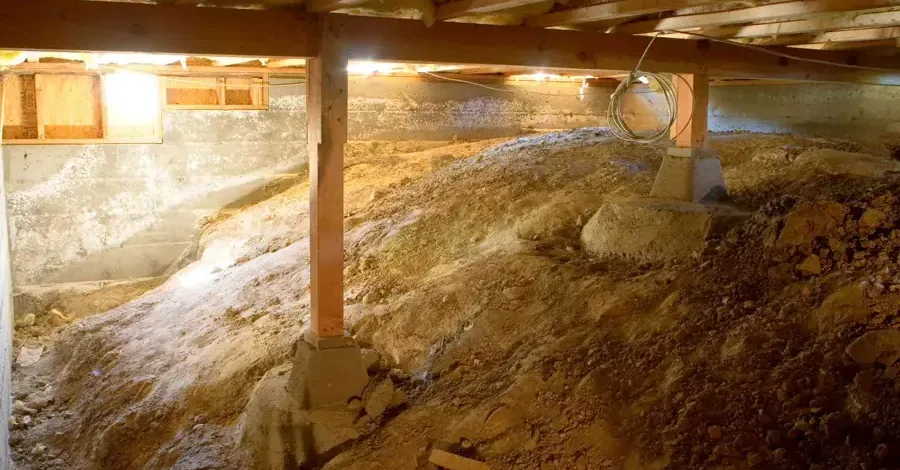
Standing water is pumped out and the space dried, as described on the crawl space page. Both steps are recorded.
Mud and water in the garage? Start the cleanup today.
Floodwater leaves silt, contamination and soaked materials behind. The extraction crew clears it and the drying team finishes the job.