Downtown Selma has more than 100,000 square feet of antique retail shops in older storefronts. A ceiling leak in a space like that threatens more than drywall, because furniture, linens, paper goods and glass sit directly below. Here is how an owner can protect the stock and get the ceiling dry.
Key takeaways
- Move or cover stock under the leak first, because a slow drip can ruin finished wood and fabric.
- Place a container under the drip and open any bulge in the ceiling so trapped water can drain.
- Shut off the water supply if the source is a pipe above the ceiling.
- Older storefronts may hide the source in the roof, an upper floor or a shared wall, so tracing it takes care.
- Drying the ceiling cavity matters as much as drying the room below.
Why older storefronts need extra care
Selma is an old railroad town, and its downtown grew around the tracks. Many of the antique shops are in older storefronts, where roofs, upper floors and shared walls have been repaired and altered over many decades.
That history can make a leak harder to trace. Water may enter at one point, travel along a beam and drip somewhere else entirely.
A steady leak can run for days before a stain appears, so owners should look at ceilings after every heavy rain.
- Roof edges and flashing where buildings meet.
- Upper-floor plumbing or air conditioning drain pans.
- Old skylights or roof penetrations.
- Shared walls between neighboring shops.
Protecting the stock first
Antique stock is mostly wood, fabric and paper, and each reacts badly to water. Finished wood can whiten or warp, upholstery can stain and paper can run.
The first task is moving what can be moved.
Furniture with a finished surface needs special care. Wiping a wet piece gently and letting it air dry away from direct heat is safer than rubbing it or placing it near a heater.
Staff should also be told what is safe to touch. A short note on the door and a talk with the team keeps everyone away from wet electrical fixtures and loose ceiling sections.
Pieces with delicate glue joints, such as chairs and cabinets, should be lifted by the frame rather than by the arms or doors.
Move and cover
Shift valuable pieces away from the drip zone. For heavy furniture that cannot be moved, cover it with plastic sheeting and keep the sheeting from trapping water on the surface.
- Lift small items to higher shelves in a dry area.
- Use buckets and plastic to catch drips.
- Photograph items before and after they are moved.
Keep records for a claim
List damaged pieces, their tags and their prices. Photos with date and time support an insurance claim.
Containing the ceiling
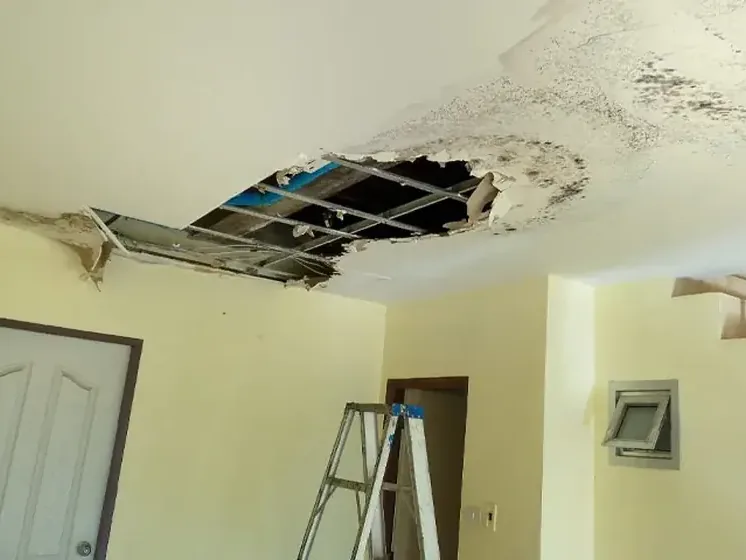
A ceiling that sags or bulges holds water above it. Poking a small hole at the lowest point lets the water drain into a bucket in a controlled way.
Wear eye protection and stay clear of the area below.
If the source is a pipe or a drain pan, turn off the water or the equipment. If it is the roof, a temporary cover is needed once conditions allow.
The ceiling leak water damage service page explains how the restoration team handles the damaged section.
Open the store only to areas that are clearly dry. A wet ceiling can drop without warning, so customers should stay away from sagging sections.
- Open a bulge to release trapped water.
- Shut off the supply if a pipe is the cause.
- Turn off lights and electrical fixtures near the wet area.
- Keep staff and customers away from sagging sections.
Drying the ceiling and the room
After the wet ceiling section and insulation are removed, the cavity is dried with air movers and dehumidifiers. Moisture readings show when framing and neighboring surfaces are back to normal.
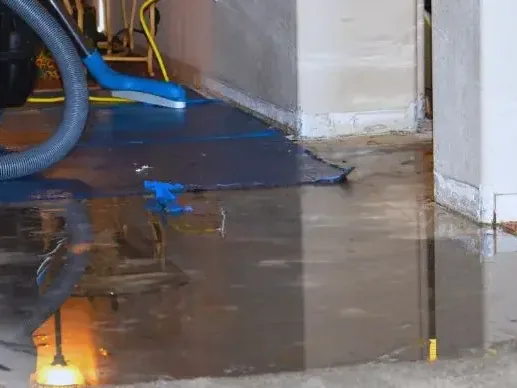
Drying the room matters too. Water that fell to the floor can soak under display bases and wick into walls.
The commercial water damage page lists what a business space needs, including work that can be done around opening hours.
Plan drying equipment placement around the displays. Air movers need open paths, so some furniture may need to shift while the work runs.
Why quick drying protects the shop
Damp materials can begin to grow mold, and mold in an antique shop can spread musty odor into stock. Prompt drying keeps both the building and the merchandise in better shape.
Selma has other landmarks nearby, including Selma Union Depot and Mitchener Station, which draw visitors to the same downtown area. A shop that reopens clean and dry keeps that traffic.
The same downtown also holds the Selma Union Depot, which reopened in 2002 for Amtrak's Carolinian and Palmetto trains, so foot traffic can be steady.
Keeping the shop running during repairs
Many antique stores are small businesses with a steady stream of customers. Closing for long is costly, so a plan that keeps part of the shop open helps.
The drying team can block off the damaged area with plastic barriers and run equipment while the rest of the store keeps operating.
Tell the landlord about the leak in writing as soon as it is found, because many storefronts share a roof or wall with a neighbor.
- Set up plastic walls around the affected section.
- Move stock to a dry part of the shop or off site.
- Schedule noisy work outside opening hours when possible.
- Post a sign to explain the closed area.
- Update the shop's online listings if stock has moved.
Local help and next steps
Owners can read about local services on the Selma ceiling leak page. Keep photos, notes and receipts together from the start.
Questions
Should I move antiques before calling for help?
Yes, if it is safe. Moving or covering stock is the fastest way to limit loss, and photos should be taken first.
How do I know where a ceiling leak starts?
Water often travels along beams before it drips. A moisture meter and a look above the ceiling show the real source.
Can I open a sagging ceiling myself?
A small hole at the lowest point releases water safely if eye protection is worn and nobody stands below.
Will the shop need to close during drying?
Sometimes only the affected area is closed. The drying team can plan around the layout and opening hours.
Will wet furniture warp?
Solid wood and veneer can warp or whiten if they stay wet. Moving the pieces to a dry area and letting them air dry slowly gives them the best chance.
Who pays for damaged stock?
That depends on the insurance policy. Keep photos, tags and prices for every piece and ask the agent which items the coverage includes.
How can I tell if a ceiling stain is still active?
A fresh stain feels damp or cool and may grow after rain. A dry stain with sharp edges may be old, but a moisture meter gives a clearer answer.